
To effectively plan and track your out-of-pocket costs, start by understanding your insurance deductible, copayments, and coverage limits. Keep detailed records of all expenses, such as bills, receipts, and explanations of benefits, using spreadsheets or apps. Regularly review your spending to spot patterns and identify areas to save. Staying organized helps avoid surprises and prepares you for unexpected expenses. Continue exploring to learn practical tips for managing these costs and making informed decisions.
Key Takeaways
- Understand your insurance deductible to estimate initial out-of-pocket expenses before coverage begins.
- Track all healthcare expenses, including bills, receipts, and Explanation of Benefits (EOBs), for accurate monitoring.
- Use spreadsheets or apps to log and review out-of-pocket costs regularly, identifying spending patterns.
- Budget for routine and unexpected healthcare expenses to prevent financial surprises.
- Review prescription coverage and consider cost-effective options to manage medication-related out-of-pocket costs.

Out-of-pocket costs are expenses you pay directly for healthcare services that aren’t covered by insurance. These costs can pile up quickly and catch you off guard if you’re not prepared. To manage them effectively, you need to understand how insurance deductibles work. An insurance deductible is the amount you must pay out of pocket before your insurance starts covering expenses. For example, if your deductible is $1,000, you’ll need to pay the first $1,000 of medical costs yourself. Once you meet that threshold, your insurance typically covers a larger share of subsequent expenses, but you’ll still have to pay copayments or coinsurance. Knowing your deductible helps you estimate your potential costs and plan accordingly.
Understanding your insurance deductible helps you estimate costs and plan for healthcare expenses effectively.
Prescription expenses are a significant part of out-of-pocket costs for many people. Even with insurance, certain medications might not be fully covered, leading to additional expenses. It’s vital to review your prescription coverage to understand which drugs are covered and what your copayments will be. Some plans have tiers for medications, with more expensive drugs falling into higher-cost tiers. When you need new prescriptions, ask your healthcare provider if there are generic alternatives or less costly options that meet your medical needs. Filling prescriptions at in-network pharmacies can also reduce your expenses, as out-of-network pharmacies tend to charge higher prices and often aren’t covered by your insurance. Additionally, considering options like performance kits for certain vehicle models can sometimes be a cost-effective way to enhance performance without extensive modifications.
Tracking your out-of-pocket costs is indispensable for staying within budget and avoiding surprises during tax season. Keep detailed records of all healthcare expenses, including bills, receipts, and Explanation of Benefits (EOB) statements from your insurer. Many people find it helpful to use a spreadsheet or a dedicated app to log each expense, noting whether it’s a copayment, deductible payment, prescription cost, or other out-of-pocket expense. Regularly reviewing these records will give you a clear picture of your spending patterns and help you identify areas where you might cut costs, like switching to more affordable medications or seeking preventive care to avoid expensive treatments later on.
Planning ahead can also involve setting a specific budget for healthcare costs each year. Allocate funds for expected expenses such as routine doctor visits, prescriptions, and emergency care. By doing so, you create a financial safety net, so when unexpected costs arise, you won’t be caught unprepared. Remember that understanding your insurance policy, staying organized, and actively tracking your expenses empower you to manage out-of-pocket costs more effectively, ultimately making healthcare more affordable and less stressful.
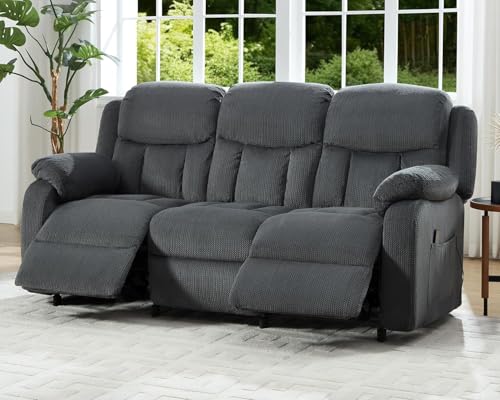
Jocisland Reclining Couch, Power Reclining Sofa with Dual Wingback, 3 Seater Recliner Sofa, Recliner Couches for Living Room(Dark Gray)
Power Recline Up to 160°: One-touch buttons allow this recliner couch to adjust smoothly up to 160°, letting...
As an affiliate, we earn on qualifying purchases.
Frequently Asked Questions
How Can I Reduce My Out-Of-Pocket Healthcare Expenses Effectively?
You can reduce your out-of-pocket healthcare expenses by prioritizing preventive screenings, which catch issues early and often lower costs later. Additionally, manage your medication carefully by using generics when possible and discussing options with your doctor to avoid unnecessary expenses. Staying proactive about your health and tracking your spending helps you identify areas to save, ensuring you spend smarter on healthcare without sacrificing quality.
What Tools Are Best for Tracking Out-Of-Pocket Costs?
Did you know that 60% of people find receipts getting lost or misplaced? To stay on top of out-of-pocket costs, use budget apps like Mint or YNAB, which help you categorize expenses easily. Receipt organizers, whether physical or digital, keep your receipts handy and organized. Combining these tools streamlines tracking, prevents overspending, and makes it simpler to review your healthcare expenses whenever needed.
Are There Tax Deductions Available for Out-Of-Pocket Healthcare Expenses?
Yes, you can often deduct out-of-pocket healthcare expenses if they exceed a certain threshold. Using medical savings accounts can help you save tax-free money for healthcare costs, while claiming tax credits may reduce your overall tax liability. Keep detailed records of all expenses and consult IRS guidelines or a tax professional to maximize your deductions and credits, ensuring you’re taking full advantage of available benefits.
How Do Out-Of-Pocket Costs Vary Between Insurance Plans?
When you compare insurance plans, you’ll notice out-of-pocket costs vary based on the plan’s structure. Different plans have distinct cost sharing structures, like deductibles, copayments, and coinsurance. A plan with a higher premium might have lower out-of-pocket costs, while a plan with a lower premium could have higher costs when you need care. Always review the plan comparison to understand how these costs could impact you during medical expenses.
What Are Common Unexpected Out-Of-Pocket Expenses in Healthcare?
Don’t let surprises catch you off guard; unexpected emergencies and medication costs often cause unexpected out-of-pocket expenses. You might face costly ambulance rides or urgent care visits that aren’t fully covered. Additionally, prescription medications can add up quickly, especially if you need brand-name drugs or frequent refills. Always review your plan’s coverage for emergencies and medications, and consider setting aside extra funds to handle these unforeseen expenses confidently.
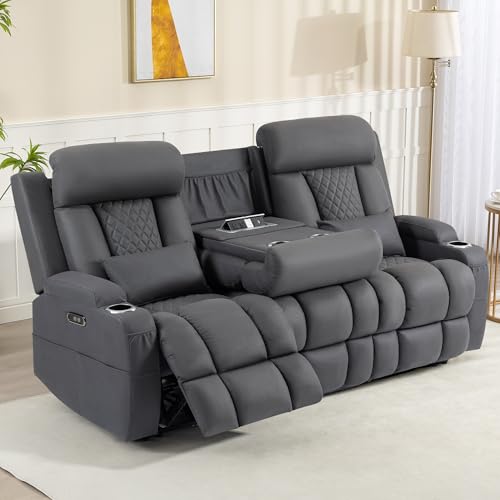
Neptane Zero Wall Hugger Power Reclining Sofa with Adjustable Headrest, Electric Reclining Couch with Drop-Down Table,Outlets, Power Loveseat Recliner Sofa for Living Room (Gray, 3 Seat)
Zero Wall Hugger Design: Our power reclining sofa showcases groundbreaking zero wall hugger technology, enabling you to position...
As an affiliate, we earn on qualifying purchases.
Conclusion
By carefully planning and tracking your out-of-pocket costs, you gain control over your finances. But the real question is, are you prepared for unexpected expenses that could suddenly disrupt your plans? Staying vigilant now might save you from surprises later. The key is staying one step ahead—because when it comes to your money, what you don’t see coming could be the difference between peace of mind and financial chaos. Are you ready to take that step?
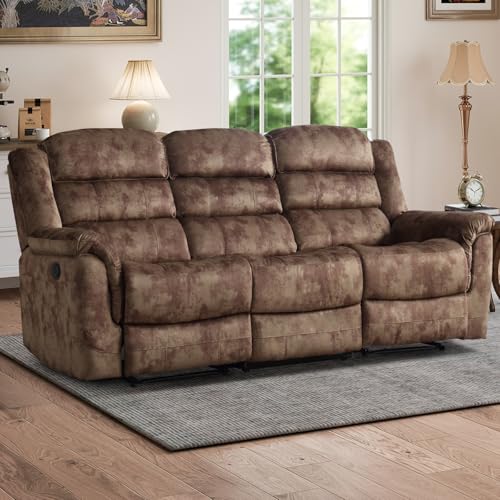
EBELLO Reclining Sofa for Living Room, Extra Wide Modern Overstuffed 3 Seat Recliner Manual Sofa Chair, Breathable Soft Fabric and Padded Seat, Brown
Spacious 3-Seat Reclining Design: This extra wide sofa comfortably accommodates three people with manual reclining seats on each...
As an affiliate, we earn on qualifying purchases.

BOSMILLER Reclining Loveseat with Cup Holders for Living Room 2 Seat Manual Loveseat Recliner with Side Pocket
𝗨𝗹𝘁𝗶𝗺𝗮𝘁𝗲 𝗙𝗮𝗯𝗿𝗶𝗰 𝗖𝗼𝗺𝗳𝗼𝗿𝘁: Experience the unparalleled comfort of the BOSMILLER reclining sofa, upholstered in premium, breathable fabric. This...
As an affiliate, we earn on qualifying purchases.