

Medicare mainly covers short-term skilled nursing, rehabilitation, and hospital stays, with limited support for long-term home care. Medicaid, on the other hand, provides extensive in-home services like personal care aides, homemaker help, and ongoing nursing support for those with low income. If you want to understand how each program supports your independence at home and what might fit your needs best, there’s more to explore below.
Key Takeaways
- Medicare mainly covers short-term skilled nursing and rehab after hospital stays, not long-term personal care at home.
- Medicaid provides extensive in-home support, including personal care aides, homemaker services, and nursing for long-term needs.
- Medicare’s home coverage is limited to post-acute services; Medicaid supports ongoing assistance to maintain independence.
- Medicaid often covers prescription drugs and continuous medication management at home, unlike Medicare without Part D.
- Both programs aim to help individuals stay safe and independent at home but differ in scope and eligibility.

Have you ever wondered how Medicare and Medicaid differ? Understanding these programs can help you navigate your options for staying at home comfortably and safely. When it comes to long term care, Medicare generally has limited coverage. It mainly focuses on short-term skilled nursing or rehabilitation services after hospital stays. If you’re thinking about long term care needs like assisted living or ongoing personal care, Medicare usually doesn’t cover these costs. Medicaid, on the other hand, is designed to assist with long term care expenses. If you qualify, Medicaid can cover a significant portion of in-home services, including personal care aides, homemaker services, and even some home health nursing. This makes Medicaid an essential resource for those who require continuous support to live independently but can’t afford the high costs out of pocket. Additionally, the technology used in modern home health services is continuously improving, making in-home care more effective and accessible.
Prescription drug coverage is another area where these programs differ greatly. Medicare offers a specific plan called Part D, which you can add to Original Medicare to help cover prescription medications. Without Part D, you’re responsible for paying full price for your drugs, which can quickly add up. Medicare Part D plans vary by provider, so you’ll need to compare options to find the best coverage for your medications. Medicaid, on the other hand, often includes prescription drug coverage as part of its benefits package. If you qualify for Medicaid, your prescriptions are typically covered without the need for a separate plan, and you usually pay little to no cost at the pharmacy. This makes Medicaid especially beneficial for those with ongoing medication needs, as it simplifies the process and reduces out-of-pocket expenses.
Both programs aim to support individuals in maintaining their independence at home, but their scope and eligibility criteria differ. Medicare primarily serves individuals 65 and older or certain younger people with disabilities, focusing on acute and post-acute care needs. Medicaid serves low-income individuals and families, providing a broader range of services, including extensive support for long term care and prescription drugs. Knowing these distinctions can help you plan better for your future or assist a loved one in making informed decisions about home care options. Whether it’s accessing long term support or managing medication costs, understanding what each program covers guarantees you’re not caught off guard when you need help the most. Ultimately, both programs play essential roles in helping people stay safe, comfortable, and independent in their homes.

Novilla 10 Inch King Mattress, Memory Foam Mattress King with Breathable Comfort Layer & High-Density Base Foam for Pressure Relief & Support, CertiPUR-US Certified for a Cool & Refreshed Sleep
【Stress-Relieving System】 The king memory foam mattress combines a 2-layer foam system for balanced comfort: natural fiber infused...
As an affiliate, we earn on qualifying purchases.
Frequently Asked Questions
Does Medicare or Medicaid Cover Home Modifications for Accessibility?
Medicare generally doesn’t cover home modifications or accessibility upgrades, but Medicaid might in some cases if they’re medically necessary. You should check your state’s Medicaid program because coverage varies. For home improvement projects like ramps or grab bars, look into Medicaid’s waivers or other assistance programs. You might also consider non-profit organizations that specialize in funding accessibility upgrades, ensuring your home becomes safer and more accessible for your needs.
Are There Differences in Coverage for Home Health Aides Between the Two Programs?
If you’re exploring care options, you’ll find notable coverage differences for home health aides. Medicare typically covers home health aides when you need skilled nursing or therapy services, but it’s more limited for personal care. Medicaid, on the other hand, often offers broader coverage for home health aides, including assistance with daily activities. So, depending on your program, the extent of care from aides can vary markedly.
How Do Coverage Limits Vary Between Medicare and Medicaid for Home Care?
You’ll notice that coverage limitations and service scope differ between Medicare and Medicaid for home care. Medicare typically covers skilled nursing, physical therapy, and home health aide visits for a limited time, focusing on medical needs. Medicaid, on the other hand, offers broader coverage, including personal care services and long-term support, with fewer restrictions. Your eligibility and state rules also influence how much care you can receive under each program.
Can Combined Medicare and Medicaid Benefits Be Used for Home Health Services?
Yes, you can use combined Medicare and Medicaid benefits for home health services, including long-term care and skilled nursing. Medicare covers short-term skilled nursing and therapy services if you meet specific criteria, while Medicaid may pay for more extensive, long-term home care. By coordinating these benefits, you guarantee thorough coverage for your needs, helping you access necessary services like skilled nursing and supportive home health care.
What Are the Eligibility Requirements for At-Home Care Under Each Program?
Like a key opening a door, eligibility criteria open access to at-home care. For Medicare, you must be 65 or older, or have certain disabilities, with specific hospital stay requirements. Medicaid eligibility depends on income requirements, often favoring low-income individuals or families. You need to meet these criteria to qualify for at-home services, and each program may have additional requirements, so checking your state’s specific guidelines helps confirm you qualify.
![King Mattress, [Enhanced] 14 Inch King Size Hybrid Mattress in a box with Gel Memory Foam & Independent Pocket Springs, Medium Firm, Pressure Relief, Strong Edge Support, 365-Night Trial, CertiPUR-US](https://m.media-amazon.com/images/I/41LzI5SAL8L._SL500_.jpg)
King Mattress, [Enhanced] 14 Inch King Size Hybrid Mattress in a box with Gel Memory Foam & Independent Pocket Springs, Medium Firm, Pressure Relief, Strong Edge Support, 365-Night Trial, CertiPUR-US
Deep Sleep Overnight: King mattress has advanced support and comfort system, it combines the advantages of gel memory...
As an affiliate, we earn on qualifying purchases.
Conclusion
So, now you know the wild, incredible differences between Medicare and Medicaid when it comes to home coverage. One’s like a superhero, saving the day with top-tier hospital stays, while the other’s a secret weapon, helping those in need with every possible home care trick. With these two in your corner, you’re basically unstoppable! No matter what, you’ve got the power to make sure your loved ones get the best, right at home—like a healthcare superhero in disguise!
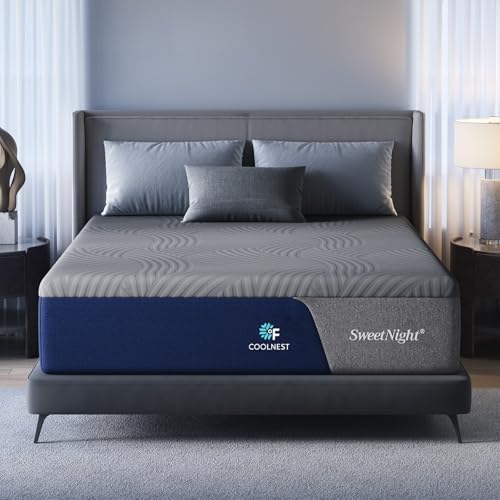
Sweetnight CoolNest 14 Inch King Size Mattress, Cooling King Memory Foam Mattress for Cool Night Sleep, 5-Zone Ergo Support for Pressure Relief, Medium, CertiPUR-US Certified
CoolNest System for a Cooler Night - The CoolNest 14 inch king size mattress features our innovative CoolNest...
As an affiliate, we earn on qualifying purchases.

LETMOON 14 Inch King Size Mattress, Hybrid Memory Foam Mattress, Medium Firm for Side & Back Sleepers, Motion Isolation, Reinforced Edges, Targeted Back Support, No Fiberglass, Bed in a Box
Hybrid Comfort for All Sleep Positions: The Letmoon 80"×76" king hybrid mattress blends memory foam and supportive layers...
As an affiliate, we earn on qualifying purchases.