

Medicaid spend-down lets you qualify for benefits by reducing your assets until they meet program limits. You do this by spending or gifting excess assets legally, often through approved strategies like transfers or trusts. Be careful, though, because improper transfers can result in penalties or ineligibility. To avoid costly mistakes, it’s essential to follow the rules and work with legal or financial experts. Keep exploring to learn more about how to navigate this process successfully.
Key Takeaways
- Spend-down involves reducing excess assets through allowable expenditures or gifts to meet Medicaid asset limits.
- Proper planning and documentation are essential to ensure compliance and avoid penalties during asset reduction.
- Transfers to spouses or disabled children are often exempt, but other asset transfers must follow strict legal rules.
- Unlawful asset transfers can lead to penalties, periods of ineligibility, or legal consequences.
- Consulting legal and financial professionals helps ensure your spend-down strategy adheres to Medicaid laws.

Have you ever wondered how Medicaid determines whether you qualify for assistance? It all starts with understanding the basics of the eligibility process. One key factor is your financial situation, specifically your income and assets. If your assets are too high, you might need to lower them to meet Medicaid’s requirements. This is where the concept of a spend-down comes into play. Essentially, you spend or give away excess assets until your remaining countable assets fall within the eligibility limits. This process allows you to qualify for Medicaid coverage, especially if your income is also within the specified range. However, it’s essential to be aware of the legal considerations involved, particularly regarding asset transfer. Medicaid has strict rules about transferring assets, especially within a certain look-back period, typically five years before your application. If you transfer assets improperly or attempt to hide assets, you could face penalties or a period of ineligibility. That’s why understanding the legality of asset transfers is crucial. You want to avoid any actions that could be seen as attempting to qualify unfairly, as Medicaid is on the lookout for such transactions. Proper planning often involves consulting legal experts or financial advisors who specialize in Medicaid planning. They can help you navigate the intricacies of asset transfer laws and guarantee your actions comply with federal and state regulations. Sometimes, transferring assets to a spouse or a disabled child is allowed without penalty, but these transfers must be done carefully and within the legal framework. You might also consider other legal strategies, such as establishing certain types of trusts, to protect assets while still qualifying for Medicaid. Remember, the goal isn’t to hide assets but to plan wisely within the rules. It’s fundamental to document every transfer and consult with professionals to make sure everything is transparent and lawful. The legal considerations surrounding asset transfer are complex because Medicaid aims to prevent individuals from unfairly qualifying by giving away assets just before applying. If you don’t follow the rules, you risk losing Medicaid eligibility for a period, which could be detrimental if you need immediate assistance. Understanding Medicaid asset transfer laws and legal considerations is essential for successful planning. Taking a proactive approach by understanding both the rules and legal considerations involved in asset transfer is imperative. Planning ahead and seeking expert advice can help you avoid costly mistakes and assure you meet Medicaid’s asset requirements legitimately.
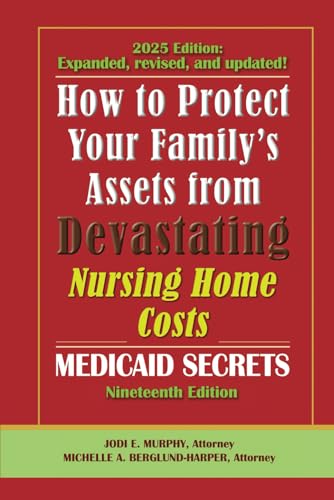
HOW TO PROTECT YOUR FAMILY’S ASSETS FROM DEVASTATING NURSING HOME COSTS: Medicaid Secrets
As an affiliate, we earn on qualifying purchases.
As an affiliate, we earn on qualifying purchases.
Frequently Asked Questions
Can I Qualify for Medicaid Without a Spend-Down?
Yes, you can qualify for Medicaid without a spend-down if your assets are within the asset exemptions and your income stays below the income limits. Asset exemptions allow you to keep certain assets, like a primary home or a vehicle, without affecting eligibility. Keep in mind, meeting these exemptions and income limits varies by state, so check your local Medicaid rules to confirm your eligibility without needing a spend-down.
How Often Can I Update My Spend-Down Expenses?
You can update your spend-down expenses as often as needed, but most programs require a monthly review. Keep your spend-down documentation current and accurate to reflect any changes in your expenses. Regular updates ensure your Medicaid eligibility stays correct and helps prevent delays. Staying proactive with your documentation and reviewing your spend-down each month allows you to manage your expenses effectively and maintain continuous coverage.
Does Medicaid Spend-Down Affect My Other Benefits?
Yes, Medicaid spend-down can affect your other benefits. When you transfer assets or undergo income reassessment, it might impact eligibility for programs like SSI or SNAP. Asset transfers could be seen as trying to qualify for Medicaid unfairly, leading to penalties or delays. Keep in mind that any changes, including income or asset adjustments, may influence your overall benefits, so it’s wise to consult with a benefits specialist before making moves.
Are There Specific Assets Excluded From the Spend-Down Calculation?
Yes, certain assets are excluded from the spend-down calculation due to asset exclusions and limitations. You typically won’t have to count your primary residence, personal belongings, or one vehicle. Additionally, some burial plots and certain household items are excluded. These asset exclusions help you spend down only the countable assets, making it easier to qualify for Medicaid while protecting essential assets. Always check specific state rules, as asset limitations can vary.
What Happens if My Income Exceeds the Spend-Down Limit?
If your income exceeds the spend-down threshold, you won’t qualify for Medicaid until you reduce your income below that limit. You might qualify for an income exemption, which allows some income to be disregarded, or you could consider other strategies like medical expenses to lower your countable income. Once your income falls below the spend-down limit, you can start the spend-down process to become eligible.

Living Trusts, Wills, Retirement, Tax & Estate Planning for Seniors: Avoid the 10 Biggest Probate Mistakes, Save on Taxes, and Safeguard Your Children's Future – The Definitive Guide
As an affiliate, we earn on qualifying purchases.
As an affiliate, we earn on qualifying purchases.
Conclusion
Understanding Medicaid spend-down is like peeling back layers of an onion—you’ll find the core of how your assets can qualify you for essential coverage. Just like Sarah, who carefully planned her spend-down to cover her medical bills without losing her home, you too can navigate this process smoothly. Remember, with the right knowledge, you can turn what seems complex into a clear path, ensuring you get the care you need without unnecessary stress.

The Medicaid Trust Blueprint: Protect Your Assets, Qualify for Long-Term Care, and Keep Your Home (THE INHERITANCE BLUEPRINT SERIES: Protect Wealth. Preserve Dignity. Understand the System.)
As an affiliate, we earn on qualifying purchases.
As an affiliate, we earn on qualifying purchases.
Medicaid asset transfer legal documents
As an affiliate, we earn on qualifying purchases.
As an affiliate, we earn on qualifying purchases.