If you’re exploring slip-resistant flooring options, you’ll find choices like textured surfaces, rubberized mats, and coatings embedded with grit, all designed to provide better traction and prevent slips. These options are durable, resistant to wear, and suitable for wet or oily environments. Proper maintenance, such as regular cleaning and inspections, helps keep these floors safe over time. Keep going, and you’ll discover even more ways to select the best slip-resistant flooring for your space.
Key Takeaways
- Slip-resistant flooring includes textured surfaces, rubberized mats, embedded grit, and anti-slip coatings for enhanced traction.
- Materials such as rubber, vinyl, and textured concrete are commonly used for their durability and slip resistance.
- Proper maintenance like regular cleaning and spill management is essential to preserve slip-resistant features.
- These floors are ideal for high-traffic, wet, or oily environments to reduce slip and fall hazards.
- Selecting the right flooring depends on environment needs, safety standards, and compatibility with cleaning routines.
Are you concerned about slips and falls in your home or workplace? Safety should always be a top priority, especially when it comes to preventing accidents that can cause serious injuries. One of the most effective ways to address this issue is by choosing the right slip-resistant flooring options. These floors are designed to provide better grip and reduce the risk of slipping, making them essential in environments where safety and industrial safety standards are a must. Investing in slip-resistant flooring not only protects people but also simplifies flooring maintenance, as these surfaces tend to be easier to clean and less prone to accumulating debris that could cause slips.
Prioritize slip-resistant flooring to enhance safety and simplify maintenance in any environment.
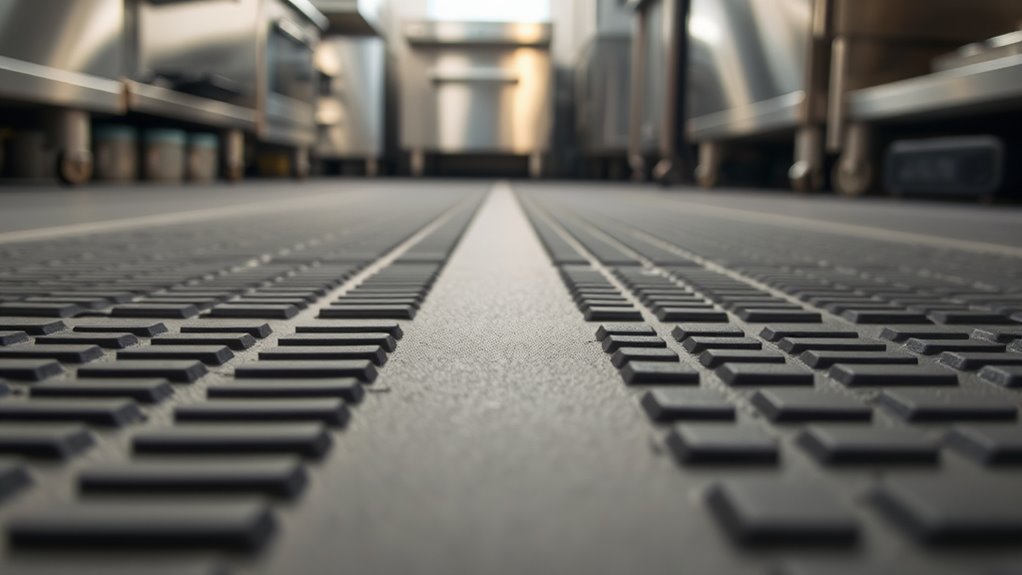
When considering flooring options, it’s *essential* to evaluate the level of slip resistance needed for your specific environment. For industrial safety, floors with a textured or rubberized surface are popular because they offer excellent traction, even when surfaces are wet or oily. These materials are durable and resistant to wear, which means they maintain their slip-resistant qualities over time. Additionally, some flooring options come with embedded grit or anti-slip coatings, providing extra grip in high-traffic or spill-prone areas. You’ll want to select surfaces that can withstand frequent cleaning without losing their slip-resistant properties, ensuring ongoing safety and reducing the need for frequent flooring maintenance.
Another important aspect is the ease of flooring maintenance. Slip-resistant floors are designed to be straightforward to clean, which helps prevent the buildup of substances that may cause slips. For example, rubber flooring or textured vinyl surfaces can be swept, mopped, or wiped down easily, ensuring they remain safe and hygienic. Proper maintenance is *crucial* to preserving the slip-resistant features, so make sure to choose materials that resist staining and are resistant to chemicals often used in cleaning routines. Regular inspections and prompt cleaning of spills are *vital* components of flooring maintenance, especially in busy environments like factories, kitchens, or commercial spaces. Incorporating professional cleaning methods can further prolong the effectiveness of slip-resistant surfaces and ensure safety standards are consistently met.
Furthermore, implementing a holistic approach to industrial safety involves not just selecting slip-resistant flooring but also training staff or household members on proper safety practices. Encourage the use of appropriate footwear and routine cleaning schedules to maintain the integrity of the flooring. By choosing the right slip-resistant options and staying committed to flooring maintenance, you’re creating a safer environment that minimizes accidents and promotes peace of mind. Whether for a bustling warehouse or a cozy kitchen, prioritizing slip resistance and proper care keeps everyone safer and reduces the risk of costly injuries.
Frequently Asked Questions
How Long Does Slip-Resistant Flooring Typically Last?
Slip-resistant flooring typically lasts between 5 to 20 years, depending on the material and durability concerns. You can expect higher-quality options like epoxy or rubber to have greater material longevity, often exceeding a decade with proper maintenance. Regular cleaning and avoiding harsh chemicals help preserve slip-resistant properties, ensuring your flooring remains safe and effective for years to come. Keep in mind that high foot traffic areas may require more frequent replacements.
Are Slip-Resistant Floors Suitable for Outdoor Use?
A stitch in time saves nine, and that’s true for outdoor slip-resistant floors. You’ll find many options designed for outdoor durability and weather resistance, making them suitable for patios, walkways, or pool areas. These floors stand up well against rain, sun, and temperature changes. Just guarantee you choose materials specifically made for outdoor use, so your slip-resistant flooring remains safe and effective in all weather conditions.
Do Slip-Resistant Surfaces Require Special Maintenance?
Yes, slip-resistant surfaces do require special maintenance. You should follow proper cleaning routines to keep the traction effective, avoiding harsh chemicals that can damage surface treatments. Regularly sweeping and mopping with gentle cleaners helps preserve slip resistance. Additionally, applying and reapplying surface treatments as recommended maintains the textured surface, ensuring safety. Proper maintenance extends the life of your slip-resistant flooring and keeps it safe for everyday use.
Can Slip-Resistant Flooring Be Installed Over Existing Flooring?
Yes, you can install slip-resistant flooring over existing surfaces. During the installation process, you’ll need proper surface preparation to guarantee adhesion and safety. This involves cleaning, leveling, and sometimes repairing the current floor. By following these steps, the new slip-resistant flooring will be secure and effective. Always check manufacturer instructions and consider professional advice to ensure a smooth installation and maximum slip resistance.
What Are the Cost Differences Between Various Slip-Resistant Options?
The cost comparison among slip-resistant flooring options varies based on material pricing and installation. Rubber and vinyl tend to be more affordable, with prices often below $5 per square foot, making them budget-friendly choices. Epoxy coatings and textured tiles can be pricier, sometimes exceeding $10 per square foot, especially when installation complexity and durability are factored in. You should consider both material costs and long-term maintenance when evaluating options.
Conclusion
Choosing the right slip-resistant flooring is like planting a sturdy anchor in your space—it keeps you safe and steady, no matter what. With options ranging from textured tiles to rubber mats, you can find the perfect fit for your needs. Don’t leave safety to chance; prioritize slip resistance to create a foundation you can trust. After all, a secure floor is the bedrock of a confident, worry-free environment.