

If you’re feeling persistently sad, hopeless, overwhelmed, or exhausted, it’s a sign you should seek professional help for caregiver depression. These feelings can interfere with your well-being and your ability to provide care. Recognizing when your emotional health needs support is essential for your recovery and your loved one’s care. Taking action early can make a big difference. Keep exploring to learn more about what steps to take next.
Key Takeaways
- Seek professional help if you experience persistent sadness, hopelessness, or loss of interest that lasts for more than two weeks.
- Recognize emotional exhaustion, irritability, or fatigue that interferes with daily caregiving tasks or personal well-being.
- When feelings of overwhelm and isolation become unmanageable despite self-care efforts, consult a mental health professional.
- If you notice physical symptoms like sleep disturbances, appetite changes, or increased irritability, it’s time to seek support.
- Don’t hesitate to seek help if your emotional struggles impact your ability to provide safe and effective care for your loved one.

Caring for a loved one can be deeply rewarding, but it also often leads to emotional and physical exhaustion known as caregiver depression. When you’re constantly tending to someone else’s needs, it’s easy to feel overwhelmed, isolated, or hopeless. Recognizing the signs early is essential, and building emotional resilience can help you manage the stress more effectively. Emotional resilience refers to your ability to bounce back from setbacks and stay grounded amid ongoing challenges. Developing this resilience isn’t about eliminating stress but about strengthening your capacity to handle it. One of the most effective ways to do this is by adopting coping strategies tailored to your circumstances.
Building emotional resilience helps manage caregiving stress effectively and supports your well-being.
Coping strategies serve as practical tools to help you navigate the emotional rollercoaster of caregiving. They can include simple practices like setting aside time for yourself, even if it’s just a few minutes each day, or engaging in activities that bring you joy and relaxation. Mindfulness exercises, such as deep breathing or meditation, can also help you stay centered and reduce anxiety. Establishing boundaries is essential — learn to say no when your plate is full, and don’t hesitate to ask for help. Remember, you don’t have to do everything alone, and leaning on support networks can bolster your emotional resilience. Additionally, understanding personal growth concepts like stress management techniques can further enhance your ability to cope with caregiving challenges.
It’s important to acknowledge when the emotional toll becomes too heavy to handle on your own. Signs of caregiver depression often include persistent sadness, loss of interest in activities, fatigue, irritability, or feelings of hopelessness. If these symptoms persist, seeking professional help isn’t a sign of weakness; it’s a proactive step to protect your mental health. Mental health professionals can provide valuable guidance, teach you effective coping strategies, and help you develop resilience skills tailored to your experiences. Therapy can also offer a safe space to express your feelings and work through the emotional exhaustion that caregiving can bring.
Above all, prioritize your well-being. Recognize that caring for yourself isn’t a luxury but a necessity for sustainable caregiving. Building emotional resilience and implementing coping strategies will equip you to better handle the ups and downs of caregiving. When you notice signs of depression creeping in, don’t hesitate to seek professional support. Your health matters — because only when you are strong and resilient can you truly provide the best care for your loved one.

Self-Care for Caregivers: A Practical Guide to Caring for You While You Care for Your Loved One
As an affiliate, we earn on qualifying purchases.
As an affiliate, we earn on qualifying purchases.
Frequently Asked Questions
How Can I Tell if My Depression Is Severe?
If your depression feels severe, you’ll notice emotional warning signs like persistent sadness, hopelessness, or loss of interest, along with physical symptoms such as fatigue, sleep disturbances, or changes in appetite. You might also find it hard to function daily or notice thoughts of self-harm. If these signs last for weeks or worsen, it’s a clear sign to seek professional help immediately to get the support you need.
Are There Self-Help Strategies for Caregiver Depression?
Yes, you can try self-care techniques like regular exercise, adequate sleep, and mindful relaxation to ease caregiver depression. Building support networks by talking to friends, family, or joining caregiver groups also helps. These strategies can boost your mood and resilience. Remember, while self-help is beneficial, don’t hesitate to seek professional help if your depression persists or worsens. You’re not alone, and support is available.
How Does Caregiver Depression Affect Patient Care?
When you’re emotionally exhausted, your ability to provide quality care drops, like a ship losing its steady course. Caregiver depression can lead to neglect of patient needs, impacting physical health and overall safety. You might become less attentive, impatient, or forgetful, which can harm your loved one’s well-being. Recognizing this connection helps you understand that caring for yourself is essential to maintaining the best care for your patient.
Can Medication Safely Be Used While Caregiving?
Yes, medication can be safely used while caregiving if you follow your healthcare provider’s advice. They consider medication safety and your specific treatment needs, ensuring it doesn’t interfere with your caregiving responsibilities. Always communicate openly about your role and any side effects. Proper caregiver treatment includes regular check-ins and adjustments to your medication, so you stay healthy and capable of providing quality care without risking your well-being.
What Are the Long-Term Impacts of Untreated Caregiver Depression?
If you leave caregiver depression untreated, it can weaken your emotional resilience over time, leading to chronic anxiety, fatigue, and even physical health issues. You might withdraw from support networks, making it harder to cope. This ongoing struggle can diminish your ability to care effectively, impacting both your well-being and the person you’re caring for. Seeking help early preserves your mental health and strengthens your resilience in the long run.

Imagine Meditation Cards for Kids – Award-Winning Mindfulness kit of XL Cards with Calming Guided Meditations for Empowerment, Focus and Relaxation. Great for Parents, Teachers and Therapists.
🌈 [AWARD-WINNING PREMIUM QUALITY Meditation kit and Mindfulness game for kids] providing a FUN and RELAXING activity for…
As an affiliate, we earn on qualifying purchases.
As an affiliate, we earn on qualifying purchases.
Conclusion
Remember, caring for yourself isn’t a sign of weakness but a essential shield protecting both you and your loved one. When the weight of depression feels like an unending storm, reaching out for help is your lighthouse guiding you back to calmer shores. Don’t let the shadows darken your spirit—seek support before exhaustion dims your light. Your well-being is the heart’s quiet song; tending to it keeps your hope alive and shining bright.

Fidget Toys Adults – Little Ouchies Pain Stim Fidget – 3D Printed Spiky Grippie Stim Toy, Anxiety Relief, Sensory Toy for Stress Relief & Focus, Office Desk Toys Novelty Gifts for Adults Teens (2PCS)
Unique Spiky Grippie, Rotating & Pressable Design: This Little Ouchies Pain Fidget has a cylindrical shape covered with…
As an affiliate, we earn on qualifying purchases.
As an affiliate, we earn on qualifying purchases.
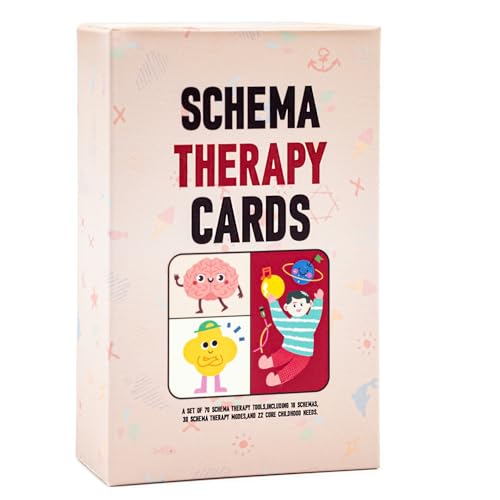
Schema Therapy Cards – Therapist Tools for Trauma, BPD, Anxiety, Depression, PTSD, and Stress Relief, Ideal for Mental Health Professionals & Individuals Seeking Self-Care
Love Schema Therapy but struggling with all the terms? This set of 70 Schema Therapy tools includes 18…
As an affiliate, we earn on qualifying purchases.
As an affiliate, we earn on qualifying purchases.