

If you find yourself feeling emotionally drained, irritated over small things, or overwhelmed, it’s a clear sign you need a break. Physical fatigue, trouble sleeping, and frequent illnesses also indicate burnout. Notice if you’re losing joy in caregiving or feeling detached from your loved one. Recognizing these early warning signs helps prevent deeper exhaustion. Staying mindful of these cues and taking timely action can make a big difference—continue to learn more about how to get the support you need.
Key Takeaways
- Feeling emotionally drained and overwhelmed after minor tasks signals early burnout signs.
- Persistent physical fatigue, muscle aches, and sleep issues indicate the need for rest.
- Increased irritability and sensitivity suggest emotional exhaustion from caregiving stress.
- Neglecting self-care can worsen symptoms and accelerate burnout progression.
- Recognizing subtle warning signs early allows for timely breaks and support to maintain well-being.

Caring for a loved one can be deeply rewarding, but it also takes a toll on your physical and emotional health if you’re not careful. When you’re constantly tending to someone else’s needs, it’s easy to overlook how much you’re suffering from emotional exhaustion and physical fatigue. These signs are often subtle at first, but ignoring them can lead to serious burnout. You might find yourself feeling drained, irritable, or overwhelmed, even after doing only small tasks. Recognizing these early warning signs is vital because they signal that you need a break before your health and well-being start to decline further.
Emotional exhaustion manifests as a persistent feeling of being emotionally drained and overwhelmed. You may notice that you’re less patient than usual, or that small frustrations seem to trigger intense feelings of frustration or sadness. It can feel like you’re running on empty, and your capacity to handle daily stresses diminishes. You might also start to feel detached from your loved one or experience a sense of hopelessness, which can deepen feelings of despair. Emotional exhaustion isn’t just about feeling tired; it’s about feeling emotionally depleted, making it difficult to find joy or satisfaction in caregiving.
Physical fatigue is another common sign that you’re nearing your limits. Caregiving often involves physically demanding tasks—lifting, moving, administering medication, or long hours on your feet—that wear down your body. Over time, this kind of physical fatigue can lead to chronic tiredness, muscle aches, and difficulty sleeping. You may find yourself yawning frequently or struggling to muster the energy needed for daily chores. When your body is exhausted, your immune system can weaken, leaving you more vulnerable to illness. Ignoring this fatigue can create a vicious cycle: as your body becomes more drained, your emotional resilience diminishes, making it harder to cope with the ongoing demands of caregiving.
Additionally, neglecting self-care practices can exacerbate these symptoms and hasten burnout, emphasizing the importance of prioritizing your well-being. If you start feeling emotionally overwhelmed and physically exhausted, it’s a clear sign you need to step back and prioritize your self-care. Taking breaks isn’t a sign of weakness; it’s a necessary part of maintaining your health and ability to provide care. Reach out for support from family, friends, or support groups. Practice stress-relieving activities, such as exercise, meditation, or hobbies that bring you joy. Remember, caregiving is a marathon, not a sprint. Recognizing these signs early and acting on them can help you avoid burnout, preserve your mental and physical health, and ultimately provide better care for your loved one.

Allura & Arcia 52 Stress Less & Self Care Cards – Mindfulness & Meditation Exercises – Anxiety Relief & Relaxation
52 EASY EXERCISES FOR EVERYONE: This unique Self Care Deck contains 52 extremely effective exercises for mindfulness, meditation,…
As an affiliate, we earn on qualifying purchases.
As an affiliate, we earn on qualifying purchases.
Frequently Asked Questions
How Can I Prevent Caregiver Burnout Before It Starts?
To prevent caregiver burnout, prioritize self-care routines and manage your time effectively. Schedule regular breaks and set boundaries to avoid overcommitting. Practice mindfulness or relaxation techniques to reduce stress, and don’t hesitate to ask for help when needed. Keeping a balanced routine guarantees you stay energized and resilient, preventing burnout before it starts. Remember, caring for yourself is essential to continuing to care for others effectively.
What Are Effective Stress Relief Techniques for Caregivers?
You can effectively relieve stress by practicing mindfulness meditation daily, which helps you stay focused and calm. Incorporate physical activity like walking or yoga to boost your mood and energy levels. Taking regular breaks, deep breathing exercises, and connecting with support groups also make a difference. Prioritize self-care, and remember, even small moments of relaxation can markedly reduce your stress and prevent burnout.
When Should I Seek Professional Help for Burnout?
Think of burnout as a storm cloud gathering on your horizon. When emotional exhaustion and physical fatigue become overwhelming, it’s time to seek professional help. If you notice persistent feelings of hopelessness, irritability, or your health is declining despite self-care efforts, don’t wait for the storm to fully break. Reaching out to a mental health professional can help you weather the storm and regain your strength.
How Does Caregiver Burnout Affect Mental Health Long-Term?
Caregiver burnout can profoundly harm your long-term mental health, weakening your emotional resilience and making it harder to cope with stress. Over time, you might develop anxiety, depression, or feel overwhelmed constantly. To protect yourself, develop effective coping strategies like seeking support, setting boundaries, and taking regular breaks. Prioritizing self-care helps rebuild your emotional strength, ensuring you stay mentally healthy and resilient through ongoing caregiving challenges.
Are There Support Groups Specifically for Caregiver Burnout?
Yes, there are support groups specifically for caregiver burnout. You can find community resources that connect you with peer support groups where others understand your struggles. These groups offer a safe space to share experiences, gain advice, and find encouragement. Joining a support group helps you realize you’re not alone, providing emotional relief and practical tips to manage stress and prevent burnout.
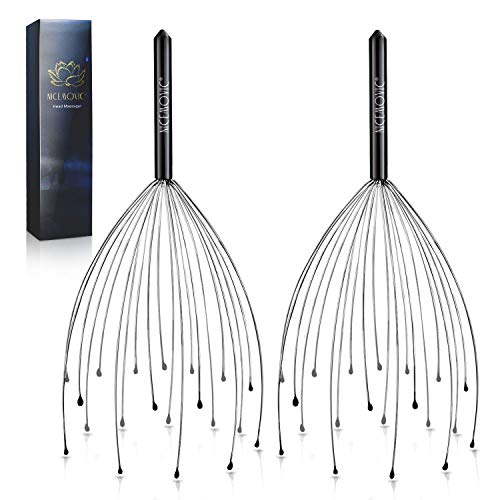
NICEMOVIC 2 Pack Head Scalp Massager Gifts for Women Men, Stocking Stuffers White Elephant Gifts for Adults Prizes for Adults Scalp Massager Hair Growth 20 Fingers Stress Relief Head Scratcher
【Christmas Stocking Stuffers for Women Men and Kids】 NICEMOVIC head scalp massager offers unique gift package, head massager…
As an affiliate, we earn on qualifying purchases.
As an affiliate, we earn on qualifying purchases.
Conclusion
Remember, ignoring burnout is like trying to carry a heavy backpack forever — eventually, you’ll stumble. When your friend noticed her patience slipping after months of caregiving, she realized she needed a break. According to studies, nearly 40% of caregivers experience burnout. You’re not alone, and taking time for yourself isn’t selfish—it’s essential. Like refueling a car, stepping back keeps you going strong, so don’t hesitate to ask for help and prioritize your well-being.

A+Health Nighttime Sleep Aid Diphenhydramine 50mg Softgels, Maximum Strength, 160 Count
ACTIVE INGREDIENT: Contains active ingredient Diphenhydramine 50mg (non-habit forming sleep aid) in an easy-to-swallow capsule—compare to the active…
As an affiliate, we earn on qualifying purchases.
As an affiliate, we earn on qualifying purchases.

changgui KJ Portable Home Ultrasound Therapy Machine,Rapid Release Therapy Massager Deep Tissue,Portable Quiet Shockwave Therapy Machine,Body Muscle Relaxation Devices
ADVANCED SHOCKWAVE PRINCIPLE: Electromagnetic pressure waves deliver a rapid rise and gradual release of pressure to stimulate deep…
As an affiliate, we earn on qualifying purchases.
As an affiliate, we earn on qualifying purchases.