
Creating a personalized emergency plan involves identifying potential hazards in your area, mapping out multiple evacuation routes from different parts of your home, and practicing them regularly. Pack an accessible emergency kit with essentials like water, food, a flashlight, and important documents. Establish clear communication and meeting plans with family members. Staying informed about local alerts and updating your plan often helps keep everyone prepared. Keep going to learn how to make your plan truly effective and tailored to your needs.
Key Takeaways
- Identify and map multiple evacuation routes from all areas of your home.
- Prepare an emergency kit with essential supplies, including water, food, and important documents.
- Establish a clear communication plan and designated meeting points for family members.
- Practice the emergency plan regularly to ensure familiarity and reduce stress during actual events.
- Stay informed about local hazards and update your plan and supplies accordingly.
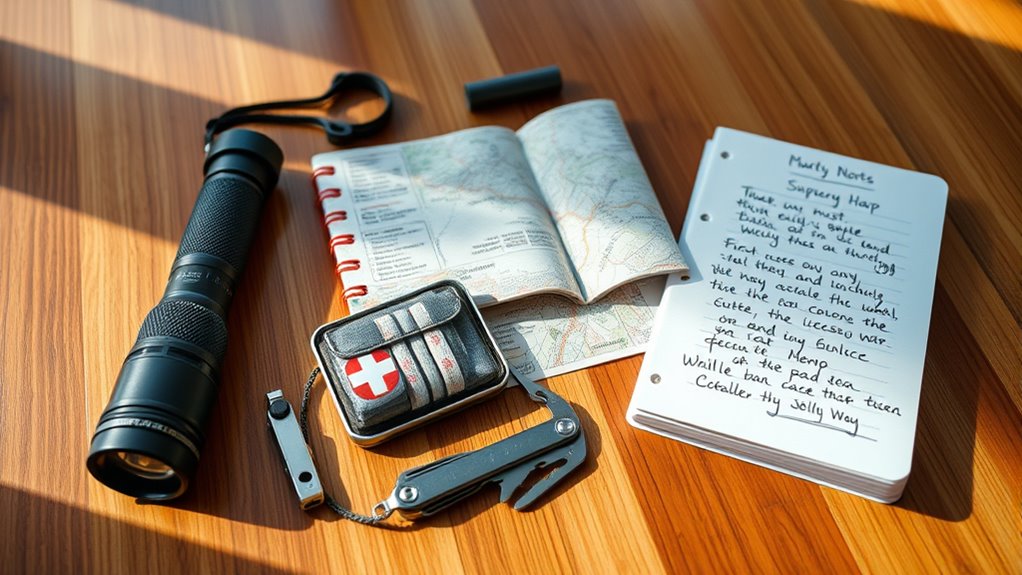
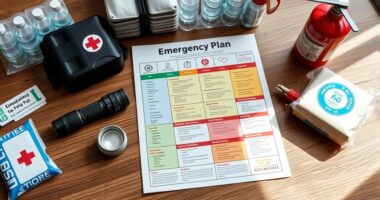
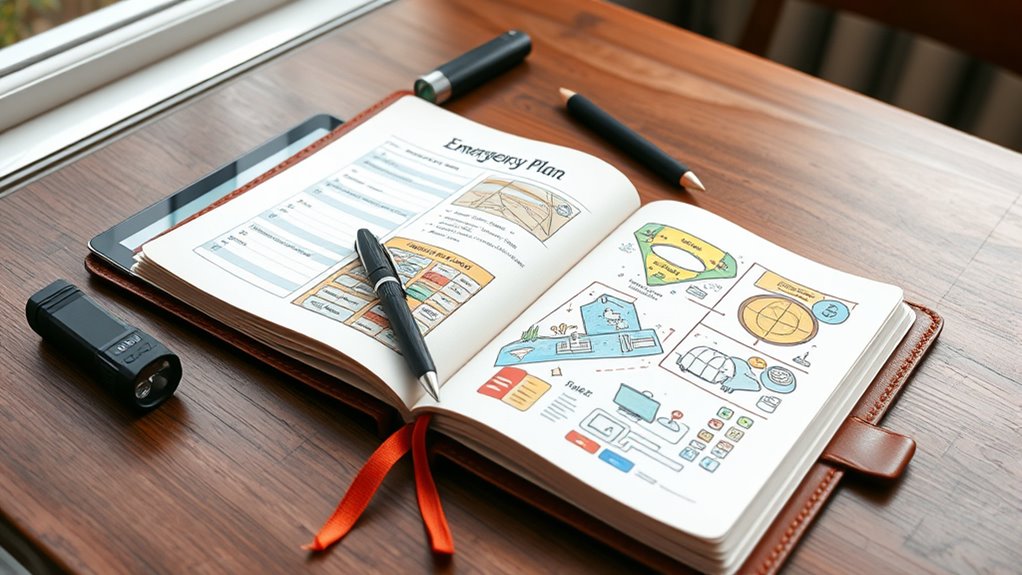
Have you ever considered how prepared you are for an emergency? It’s a question worth asking, especially when unexpected situations like natural disasters or accidents strike. The key to staying safe is creating a personalized emergency plan tailored to your circumstances. One of the first steps is identifying your evacuation routes. These are the pathways you’ll take to leave your home quickly and safely if needed. Take time to map out multiple routes from different parts of your house, so you’re prepared whether the emergency occurs during the day or night. Make sure these routes are clear of obstacles and easy to access. Practice using them regularly so they become second nature. Familiarity with your evacuation routes can make all the difference in a stressful situation, helping you move swiftly and avoid confusion. Incorporate load‑planning tools to ensure your emergency plan accounts for powering critical devices during an outage.
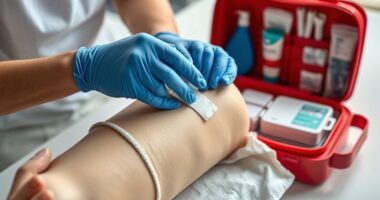
Alongside planning your routes, assembling an emergency kit with essentials is vital. Your kit should contain items you’ll need immediately after an emergency strikes, such as water, non-perishable food, a flashlight, batteries, a first aid kit, and necessary medications. Don’t forget important documents like identification, insurance policies, and emergency contacts stored in a waterproof container. It’s also wise to include basic hygiene supplies and a blanket. Keep your emergency kit in a designated, easily accessible spot so you can grab it quickly if you need to evacuate. Remember, your needs may vary depending on your household — consider items for children, pets, or seniors if applicable. Regularly check and update your kit to replace expired items or add new essentials.
Creating your personalized emergency plan also involves communicating with your family or housemates. Make sure everyone knows the evacuation routes and where the emergency kit is stored. Establish a communication plan so that, if separated, you can reconnect easily through designated contacts or meeting points. Discuss potential scenarios and rehearse your plan periodically to guarantee everyone feels confident and prepared. It’s also helpful to stay informed about local hazards and emergency alerts, so you know what to expect and how to respond.
In essence, a well-thought-out emergency plan combines knowledge of evacuation routes, a stocked emergency kit, and clear communication. By taking these proactive steps, you’re not only protecting yourself and your loved ones but also gaining peace of mind. Preparation might seem simple, but it’s a powerful tool in turning chaos into control, helping you respond swiftly and confidently when it matters most.
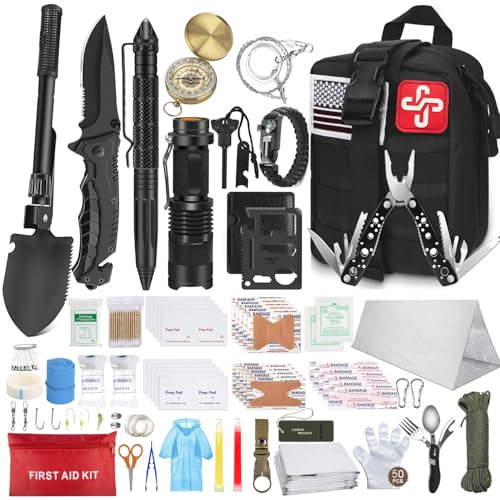
238Pcs Emergency Survival Kit and First Aid Kit, Professional Survival Gear Tool with Tactical Molle Pouch and Emergency Tent for Earthquake, Outdoor Adventure, Camping, Hiking, Hunting
238 in 1 Survival Kit]: Taimasi emergency survival kit is unique in that it was specifically designed and…
As an affiliate, we earn on qualifying purchases.
As an affiliate, we earn on qualifying purchases.
Frequently Asked Questions
How Often Should I Review My Emergency Plan?
You should review your emergency plan at least once a year and after any major life changes. Regularly practicing drills helps identify gaps and improves your response, so aim for quarterly drills or whenever you update your plan. Keep plan updates ongoing, incorporating new contacts, routes, or supplies. By consistently reviewing and practicing, you make sure your plan remains effective and ready when you need it most.
What Supplies Are Essential for a Personalized Emergency Kit?
Think of your emergency kit as your trusty sidekick. You’ll want basic first aid supplies like bandages, antiseptic wipes, and pain relievers, along with communication devices such as a charged cell phone and a portable charger. Include water, non-perishable snacks, a flashlight, batteries, and personal items like medications. This way, you’re prepared for most surprises, keeping yourself safe and connected no matter what comes your way.
How Can I Involve Children in Emergency Planning?
You can involve children in emergency planning by explaining child safety in simple terms and practicing family communication drills together. Let them help choose items for the emergency kit, making it a fun activity. Encourage questions and reassure them to reduce fear. By including them, you promote awareness, build confidence, and make certain everyone knows what to do, making your family better prepared and more resilient during emergencies.
What Are Common Mistakes to Avoid in Emergency Plans?
You should avoid communication gaps and false assumptions in your emergency plan. Make sure everyone understands their roles and has clear, updated contact information. Don’t presume all family members will respond the same way or know what to do; rehearse the plan regularly. Overlooking these details can cause confusion during an emergency. Stay proactive, verify everyone’s understanding, and update your plan often to ensure you’re fully prepared.
How Do I Adapt My Plan for Different Types of Emergencies?
You’d think adapting your emergency plan is as simple as flipping a switch, right? Ironically, it’s about more than just quick changes. You should regularly run community drills for different scenarios and incorporate technology integration to stay ahead. Adjust your plan based on the specific emergency—fire, flood, or blackout—by considering unique risks and resources. Stay flexible, and you’ll be prepared no matter what surprises come your way!

Upgraded Two Pockets Fireproof Document Bag (2000℉), andyer 15”x 11”Waterproof Fireproof Money Bag for Cash with Zipper, Important Document Storage Organizer for Valuables, Legal Documents Safe
100% Fireproof & Water Resistant: This UL certified upgraded fireproof bag is constructed primarily of fire-resistant, heat-insulating functional…
As an affiliate, we earn on qualifying purchases.
As an affiliate, we earn on qualifying purchases.
Conclusion
Now that you’ve created your personalized emergency plan, you’re prepared for the unexpected. Imagine the peace of mind knowing you’re ready when chaos strikes, yet remember that without regular updates, even the best plan can become outdated. Being proactive means staying one step ahead, balancing confidence with vigilance. Your safety depends on it. So, stay informed, review your plan often, and remain adaptable—because in emergencies, preparedness can make all the difference between panic and control.

Flashlights High Lumens Rechargeable, 100,000LM LED Super Bright Flash Light, Zoomable Linternas with LCD Digital Display, 5 Mode, Waterproof, Powerful Tactical Flashlight for Emergencies Camping Gift
【Flashlights High Lumens】The super bright flashlight is equipped with an upgraded longbeam LED chip, with a brightness of…
As an affiliate, we earn on qualifying purchases.
As an affiliate, we earn on qualifying purchases.
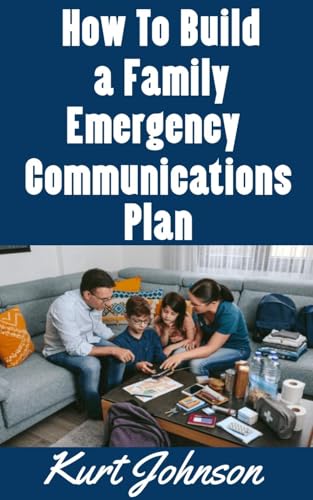
How To Build a Family Emergency Communications Plan (Kurt Johnson's Simple Prepping Book 6)
As an affiliate, we earn on qualifying purchases.
As an affiliate, we earn on qualifying purchases.