
Keeping an accurate medication list and having emergency duplicates ready are key to your safety. Update your list regularly and share it with your healthcare providers and pharmacy to make certain everyone has current info. Store copies in your phone, wallet, or with emergency contacts for quick access. This can prevent dangerous drug interactions and help responders identify your medications quickly. Stay prepared and learn more about how effective communication and organization can protect you during emergencies.
Key Takeaways
- Keep an updated medication list accessible to emergency responders to identify drugs and allergies quickly.
- Share your current medication list regularly with all healthcare providers to prevent duplicate therapies.
- Confirm with your pharmacy that your medication records are current to avoid discrepancies or duplicates.
- Use a portable, easily accessible list (phone or wallet) for emergencies to prevent unnecessary duplicate prescriptions.
- Review and update your medication list frequently to ensure accuracy and reduce the risk of duplicate or conflicting medications.

Having an up-to-date medication list is essential, especially in emergencies when quick access to your prescriptions can make a difference. When you’re in a stressful situation, healthcare providers need accurate, current information about what medications you’re taking. This is where pharmacy communication plays a vital role. Clear, consistent communication with your pharmacy ensures your medication list reflects any recent changes, additions, or discontinuations. It reduces the risk of errors and helps emergency responders or medical staff avoid dangerous drug interactions or contraindications. Maintaining this list and making sure your pharmacy has the latest details boosts medication safety, giving you peace of mind that your treatment is accurate and safe during critical moments.
Your medication list isn’t just a record for you; it’s an indispensable communication tool that connects you with healthcare providers and pharmacists. When you visit different doctors or specialists, sharing your updated list ensures they understand your current regimen. Pharmacists, in particular, are key players in medication safety—they review your prescriptions for potential conflicts, allergies, or duplicate therapies. Regularly updating your list and confirming it with your pharmacy enhances this safety net. It also streamlines the process if you need emergency refills or if someone else needs to assist you. By fostering good pharmacy communication, you minimize errors and ensure everyone involved in your care has the most accurate information.
In emergency situations, having a prepared, current medication list can be life-saving. It allows emergency responders to quickly identify your medications, dosages, and any allergies or sensitivities. This quick access can prevent adverse reactions or dangerous drug interactions. To maximize its effectiveness, keep your list in an accessible place—on your phone, wallet, or with your emergency contacts—and review it regularly. Always inform your healthcare providers about any changes, and confirm with your pharmacy that your records are current. This proactive approach safeguards your medication safety and ensures that all parties involved can communicate effectively, especially when time is critical. Additionally, understanding the importance of medication safety can help you stay proactive in managing your health.
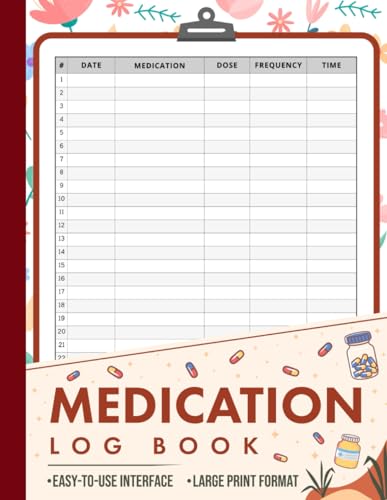
Medication Log Book: Easy-to-use Medicine Tracker Journal to Simplify Your Medication Management – Large Print Daily Medication Tracker Notebook for Adults, Seniors, Patients, Caregivers & More
As an affiliate, we earn on qualifying purchases.
As an affiliate, we earn on qualifying purchases.
Frequently Asked Questions
How Often Should I Update My Medication List?
You should update your medication list at least every six months or after any medication change. During a medication review, ask your healthcare provider to verify your list, and make certain your pharmacy updates your records promptly. Regular updates help prevent errors, guarantee safety, and keep your healthcare team informed, especially if you experience new health issues or start new medications. Staying current is essential for your overall health and safety.
What Should I Do if I Lose My Emergency Duplicate?
If you lose your emergency duplicate, act quickly to maintain medication safety and emergency preparedness. For example, imagine a person who couldn’t access their medication during a crisis because their duplicate was misplaced. Contact your healthcare provider immediately to get a new emergency duplicate and update your medication list. Keep digital copies or store duplicates securely to prevent future issues, ensuring you’re always prepared in emergencies.
Can I Include Herbal Supplements on My Medication List?
Yes, you should include herbal supplements on your medication documentation. Even though they’re natural, herbal supplements can interact with prescription medications or affect your health. By listing them, you guarantee healthcare providers have a complete picture of what you’re taking, which can be vital in emergencies or when adjusting treatments. Always inform your doctor or pharmacist about any herbal supplements to keep your medication list accurate and safe.
Who Should I Notify About Changes in My Medication List?
Did you know that 80% of medication errors come from poor communication? You should notify your doctor and pharmacy about any changes in your medication list promptly. Keep your doctor informed to ensure proper treatment and avoid dangerous interactions. Also, update your pharmacy so they can make accurate records and provide safe, effective medication management. Clear communication helps protect your health and guarantees you get the best care possible.
How Do I Ensure My Emergency Duplicate Is Accessible in Emergencies?
You should store your emergency duplicate in a secure digital access location, like a password-protected app or cloud service, so first responders can access it quickly. Make certain your emergency contacts or trusted family members know how to find it. Regularly update and verify that the digital copy remains accessible and secure. This way, in emergencies, you’ll have your critical medication info ready and protected.
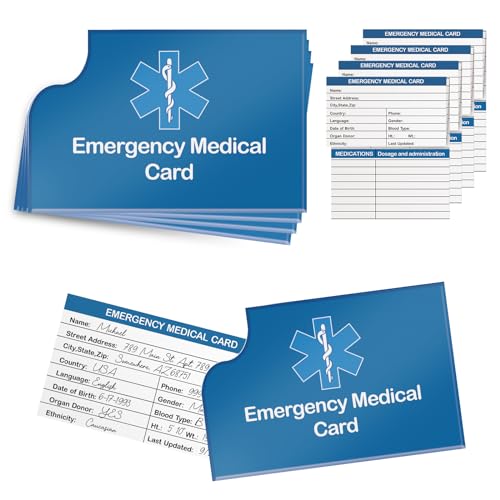
4 Pack Emergency Medical Information Id Card Red Medical Condition and Emergency Contact Id Wallet Card Medical Alert Wallet Card Pocket Size Medication List and Medical Cards for Caretakers (Blue)
4 Pack Red Medical Condition And Emergency Contact Id Wallet Card Emergency Medical Information Card Medical Alert Wallet…
As an affiliate, we earn on qualifying purchases.
As an affiliate, we earn on qualifying purchases.
Conclusion
By keeping your medication list up to date and having emergency duplicates ready, you protect yourself in crucial moments. But what if a mistake slips through, or a essential medication isn’t available? The smallest oversight could have unforeseen consequences. Stay vigilant, review regularly, and never underestimate the importance of preparation. Because in emergencies, it’s often the overlooked details that make all the difference—details you can’t afford to forget.

VEXA VitaPal 7 APP Update LAUNCHED! Bluetooth Smart Pill Dispenser with App Alerts, Portable Travel Organizer Programmable Sound Reminders for Tablets, Capsules, Vitamins & Medication Management
【VEXA ENHANCED BLUETOOTH APP EXPERIENCE】Simplify your wellness routine with the VEXA-customized App. While generic organizers rely on basic…
As an affiliate, we earn on qualifying purchases.
As an affiliate, we earn on qualifying purchases.
Pocket Medication Record Book (Blue Edition): Track Your Prescriptions, Dosages, and Medical History — All in One Place: A simple, portable logbook to … and stay prepared at every appointment.
As an affiliate, we earn on qualifying purchases.
As an affiliate, we earn on qualifying purchases.