

Older homes are more vulnerable during earthquakes because they lack modern seismic-resistant features and may not withstand quake forces. To improve safety, consider retrofitting weak points like cripple walls, bolting your house to the foundation, and adding shear walls. These upgrades can protect your family and property while reducing repair costs. Investing in seismic enhancements is essential, and if you keep exploring, you’ll learn effective strategies to make your home safer.
Key Takeaways
- Retrofit older homes by reinforcing foundations, bolting structures, and adding shear walls to enhance earthquake resistance.
- Focus on strengthening weak points like unbraced cripple walls and foundation connections during upgrades.
- Conduct a safety assessment with structural engineers to identify critical vulnerabilities in your home.
- Invest in retrofitting to reduce damage, protect occupants, and ensure compliance with current safety standards.
- Implement safety plans and secure heavy items to minimize injury risk during seismic events.
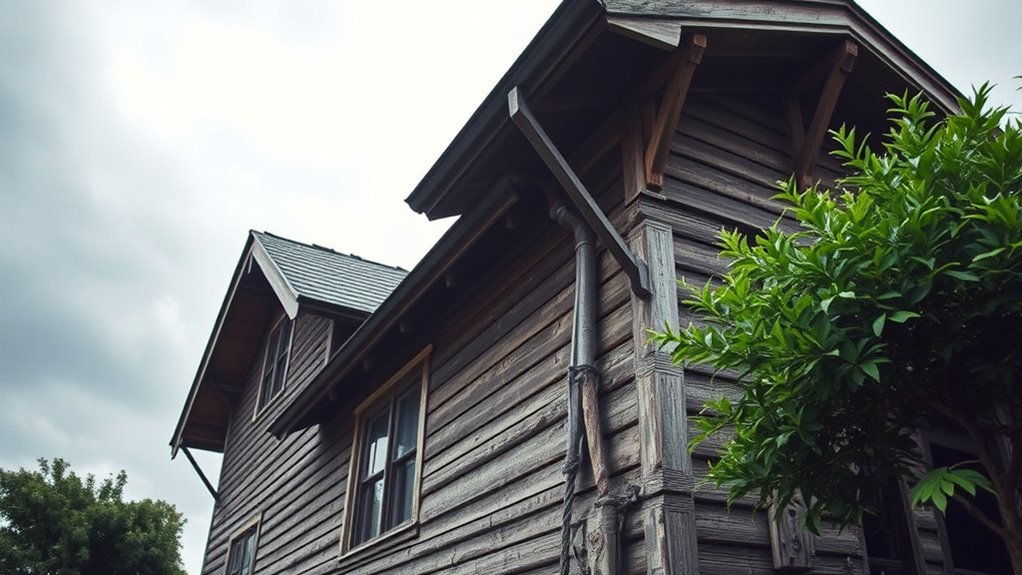
Older homes often lack the modern earthquake-resistant features found in newer buildings, making them more vulnerable during seismic events. If you own or live in an older house, it’s vital to understand that its design may not withstand the forces of a quake. To improve safety, seismic retrofitting becomes an essential step. This process involves structural reinforcement techniques that strengthen your home’s foundation and framing, reducing the risk of collapse or severe damage when the earth shakes.
Older homes lack modern earthquake-resistant features, making seismic retrofitting essential for safety and structural reinforcement.
Seismic retrofitting targets the weakest points in your home’s structure. Common upgrades include bolting the house to its foundation, adding shear walls, and reinforcing cripple walls. These modifications help your home better absorb seismic energy and prevent it from shifting or toppling. By investing in structural reinforcement, you’re effectively making your house more resilient, which can save lives and minimize repair costs after a quake.
When planning seismic retrofitting, it’s important to evaluate your home’s specific vulnerabilities. For example, older homes with unbraced cripple walls are particularly susceptible to collapse. Reinforcing these areas involves installing wall bracing or adding shear panels that provide stability. Additionally, securing heavy items like bookcases and water heaters can prevent injuries caused by falling objects. Remember, retrofitting isn’t just about making the structure stronger—it’s about creating an all-encompassing safety plan tailored to your house’s unique architecture.
You might think retrofitting costs are too high or that it’s unnecessary for an older home, but the reality is that these upgrades are a wise investment. The cost of structural reinforcement varies depending on the home’s size and condition, but the peace of mind and increased safety are well worth it. Local building codes and earthquake risk zones can influence the extent of retrofitting needed. Consulting with a structural engineer or a qualified contractor can help you determine the most effective measures for your property.
Taking action now to retrofit your older home can markedly improve its earthquake resilience. It’s not just about complying with regulations—it’s about protecting your family and your property from unpredictable natural disasters. By understanding the importance of seismic retrofitting and prioritizing structural reinforcement, you’re ensuring that your home can better withstand seismic forces. Incorporating effective fraud prevention tools such as real-time monitoring and machine learning algorithms can also help safeguard your investment and peace of mind. The effort and expense involved are a small price to pay for the safety and security of everyone inside.
Top picks for "earthquake safety older"
Open Amazon search results for this keyword.
As an affiliate, we earn on qualifying purchases.
Frequently Asked Questions
How Can I Assess My Home’s Earthquake Risk?
To assess your home’s earthquake risk, start with seismic hazard mapping to understand your area’s earthquake potential. Then, conduct a structural vulnerability assessment to identify weaknesses in your home’s design and construction. Hire a professional engineer to evaluate your home’s foundation, walls, and roof. Regular inspections help you spot issues early, ensuring you’re prepared. Taking these steps will give you a clearer picture of your home’s earthquake resilience.
Are There Specific Retrofitting Techniques for Historic Homes?
You definitely need to consider specific retrofitting techniques for historic homes. These methods are vital because they balance historic preservation with structural reinforcement, ensuring safety without damaging the home’s character. Techniques like adding shear walls, bolting the foundation, or installing flexible bracing can dramatically improve earthquake resistance. Ignoring these steps risks catastrophic damage, so consult specialists who understand both seismic safety and historic preservation to protect your cherished home effectively.
What Financial Assistance Is Available for Earthquake Upgrades?
You can access financial assistance like insurance grants and tax credits to help with earthquake upgrades for your home. Many local and federal programs offer grants specifically for older homes, while tax incentives can offset some renovation costs. Check with your insurance provider and local government agencies to find available programs. Taking advantage of these resources makes retrofitting more affordable, ensuring your home is safer without breaking the bank.
How Often Should Older Homes Be Inspected for Earthquake Safety?
You should have your older home inspected for earthquake safety every 5 to 10 years. During these inspections, focus on seismic retrofits and thorough structural assessments to identify vulnerabilities. Regular check-ups help guarantee your home remains resilient against earthquakes. If you notice signs of damage or structural issues, schedule an inspection sooner. Staying proactive with inspections and retrofits keeps you safer and minimizes potential earthquake damage.
What Are the Best Emergency Procedures for Residents During an Quake?
During an earthquake, you should immediately drop to the ground, take cover under sturdy furniture, and hold on until shaking stops. Use emergency communication to check in with loved ones and listen to local alerts. Keep your safety kit essentials nearby, including water, flashlights, and a first aid kit. Stay indoors away from windows, and avoid doorways. Once safe, follow your emergency plan for evacuation or sheltering in place.
Conclusion
By taking these steps, you’re patching the cracks in your home’s foundation, making it a stronger fortress against earthquakes. Think of your home as a fragile ship in a storm—you’re the captain steering it to safety. When you reinforce and prepare, you’re not just protecting bricks and mortar; you’re safeguarding memories and loved ones. With each improvement, you’re anchoring your home firmly in safety, ready to weather whatever storms may come.