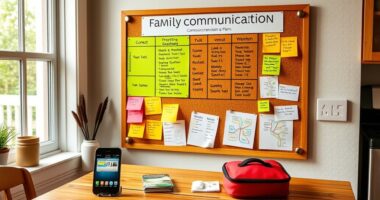

To prepare backup care plans if your caregiver becomes ill, start by organizing trusted contacts like friends, family, or neighbors who know your routines and can step in quickly. Identify reliable alternative caregivers, such as babysitters or professionals, and discuss responsibilities in advance. Share and document the plan clearly with everyone involved, including contact details and procedures. Establish communication methods and practice the plan periodically. Keep these strategies in mind to create a dependable safety net for emergencies.
Key Takeaways
- Compile a list of trusted backup caregivers, including family, friends, or professional providers, and clarify their availability and responsibilities.
- Share detailed emergency care plans with all involved, including contact information, specific routines, and emergency procedures.
- Keep contact details and plans updated regularly, and store them in accessible printed or digital formats for quick reference.
- Establish quick communication methods like group chats or call chains to coordinate efforts efficiently during emergencies.
- Practice the backup plan periodically to ensure everyone understands their role and responds calmly during caregiver illness.

A backup care plan is an essential tool for managing unexpected disruptions in your daily routine, especially when regular childcare or caregiving arrangements fall through. When your primary caregiver falls ill unexpectedly, having a solid plan in place ensures your loved ones stay safe and cared for without panic or confusion. The key is to prepare ahead of time by identifying emergency contacts and alternative caregivers who can step in at a moment’s notice.
Start by compiling a list of emergency contacts. These should include trusted friends, family members, or neighbors who are familiar with your family’s routines and needs. Make sure these contacts are willing and available to help in urgent situations. Keep their phone numbers, addresses, and any necessary instructions easily accessible, whether in a printed folder or a digital document. Having this information organized means you won’t waste precious time searching for someone when you need help the most.
Compile and organize emergency contacts with phone numbers, addresses, and instructions for quick access during crises.
Next, identify alternative caregivers who can step in if your regular caregiver becomes ill. These could be professional babysitters, daycare providers, or family members who are comfortable handling your child’s specific needs. It’s wise to discuss your backup plan with these individuals beforehand, so they understand their roles and responsibilities. Make sure they’re familiar with your child’s routines, allergies, medication needs, and any other critical details. Additionally, establish clear boundaries about availability, hours, and compensation if applicable. This way, everyone knows what to expect, and there are no surprises during an emergency.
Once you’ve identified your emergency contacts and alternative caregivers, communicate your plan clearly. Share your backup care plan with everyone involved, so they know what steps to take if called upon. Keep their contact information updated regularly. Consider creating a written plan that details how to reach each person, what to do in various scenarios, and where to find supplies or important documents. Having this information ready and accessible minimizes stress and confusion when an unexpected illness strikes your primary caregiver.
It is also beneficial to learn about Angel Numbers and their messages, as they often symbolize guidance and reassurance in times of uncertainty.
It’s also helpful to set up a system for quick communication, such as a group chat or a call chain, so you can notify your backup plan contacts swiftly. Practicing this plan periodically can ensure everyone knows their role and feels comfortable stepping in. Remember, the goal is to create a reliable safety net that minimizes disruption and keeps your loved ones safe and cared for, even when the unexpected happens. Being prepared with emergency contacts and alternative caregivers makes steering caregiver illness much less stressful, giving you peace of mind.
School & Childcare Contacts Organizer: Large Print Home & Family Binder for Teachers, Pickup List, Schedules & Notes
As an affiliate, we earn on qualifying purchases.
As an affiliate, we earn on qualifying purchases.
Frequently Asked Questions
How Early Should I Notify My Backup Caregiver About My Illness?
You should notify your backup caregiver as soon as you start feeling ill or have a confirmed diagnosis, ideally at least 24 hours in advance. This allows time for proper caregiver training on emergency protocols and guarantees they’re prepared. Early notification helps prevent disruptions and ensures your caregiver can follow safety procedures, giving you peace of mind knowing your loved ones are well cared for during your absence.
What Qualifications Should I Look for in a Backup Caregiver?
You should look for a backup caregiver with solid qualification criteria, including relevant experience and proper caregiver training. Make sure they’ve completed background checks and have good references. Prioritize someone who’s calm under pressure, adaptable, and familiar with your loved one’s needs. A well-trained caregiver can provide consistent, quality care, giving you peace of mind knowing your loved one is in capable hands during emergencies or illness.
How Do I Ensure Seamless Communication During My Absence?
To make certain seamless communication during your absence, you should provide your backup caregiver with emergency contacts and clear instructions. Make sure they have access to communication tools like a phone or messaging app to stay in touch easily. Regular check-ins before your leave can also help establish trust and clarity, so everyone knows what to do if an urgent situation arises. This keeps your loved ones safe and informed at all times.
Are There Legal Considerations When Designating Backup Caregivers?
You should obtain legal documentation and verify liability insurance before designating backup caregivers. Without proper legal paperwork, such as power of attorney or guardianship agreements, you risk confusion or disputes. Insurance coverage is equally essential to protect against potential liabilities. Failing to address these considerations could leave you vulnerable in an emergency, so act now—clarify legal and insurance details to ensure your backup plan is both safe and effective.
What Costs Are Typically Involved in Backup Care Arrangements?
The costs of backup care arrangements generally include a clear cost structure and service fees. You might pay a flat fee per visit or an hourly rate, depending on the provider. Some services also charge membership or administrative fees. It’s important to review the specific service’s fee policies upfront so you can budget accordingly and understand what expenses you’ll encounter when arranging backup care.
backup caregiver communication kit
As an affiliate, we earn on qualifying purchases.
As an affiliate, we earn on qualifying purchases.
Conclusion
So, next time your caregiver falls ill, don’t be caught off guard. After all, it’s funny how we rely so much on a single person to keep everything running smoothly—until they can’t. Having a backup plan isn’t just smart, it’s essential. Because when the unexpected happens, you’ll be grateful you prepared, even if it means admitting that your perfect system isn’t so perfect after all. Stay ready, just in case.

ZOCO – Infant & Child First Aid Poster – Home Daycare Essentials – Laminated 12×18 – CPR, Choking, Poison & Burn Chart – Emergency Safety Sign for Childcare & Infant Rooms
Lifesaving First Aid for Kids – Features clear, easy-to-follow instructions for CPR, choking (Heimlich), burns, and poisoning—specifically for…
As an affiliate, we earn on qualifying purchases.
As an affiliate, we earn on qualifying purchases.

TLC Safety By Design Childcare Babysitter Checklist Magnetic Dry Erase with Marker Emergency Info List for Refrigerator – 8.5” x 11” for Family Fridge
The Dry Erase Childcare Magnetic Checklist securely holds on any refrigerator or magnetic surface. It is durable, re-usable…
As an affiliate, we earn on qualifying purchases.
As an affiliate, we earn on qualifying purchases.