Vascular dementia happens when blood flow to your brain is blocked or damaged, causing cognitive issues. Common causes include high blood pressure, diabetes, high cholesterol, smoking, or having a history of strokes and heart problems. Symptoms often involve memory loss, confusion, difficulty planning, and trouble with spatial awareness. Your risk increases with age and if you have family history of vascular issues. Continuing this understanding can help you learn ways to manage or prevent it effectively.
Key Takeaways
- Causes include reduced blood flow due to blockages or damage in brain blood vessels.
- Common risk factors are high blood pressure, diabetes, high cholesterol, smoking, and strokes.
- Symptoms often involve memory loss, confusion, difficulty planning, and gait problems.
- Vascular damage may lead to sudden or stepwise cognitive decline.
- Diagnosis involves brain imaging, medical history, and blood tests to identify vascular damage.

Have you ever wondered what causes vascular dementia? It’s a condition resulting from reduced blood flow to your brain, often due to blockages or damage in your blood vessels. Understanding the risk factors can help you recognize who might be more vulnerable. Common risk factors include high blood pressure, diabetes, high cholesterol, smoking, and a history of strokes or heart disease. As these health issues develop over time, they weaken your blood vessels, making it easier for blockages or hemorrhages to occur. Age is also a significant factor; as you grow older, your blood vessels tend to become less flexible and more prone to damage. Genetics can play a role too—if your family has a history of vascular problems or strokes, you may be at increased risk. Lifestyle choices matter as well; poor diet, lack of exercise, and smoking can accelerate vascular damage, increasing your chances of developing vascular dementia. Vascular health is crucial to maintaining proper blood flow and preventing the onset of dementia symptoms.
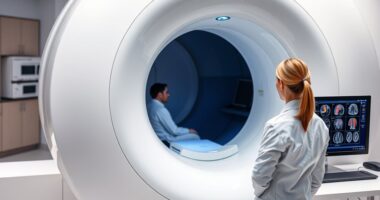
When it comes to diagnosing this condition, healthcare professionals rely on various diagnostic methods. Typically, they start with a detailed medical history and physical exam to assess your cognitive function and look for signs of vascular issues. Brain imaging is essential—MRI and CT scans help identify areas of damage or blockages in your blood vessels. These images can reveal small strokes or silent infarcts that might not cause immediate symptoms but contribute to cognitive decline over time. Sometimes, additional tests like Doppler ultrasound or angiography are used to evaluate blood flow and pinpoint where blockages or narrowing occur. Blood tests are also common to check for underlying conditions such as diabetes or high cholesterol that can worsen vascular health.
The goal of these diagnostic methods is to determine whether your cognitive changes are linked to vascular problems and to rule out other causes of dementia. Early detection is *vital* because managing your risk factors can slow the progression. Doctors may recommend controlling blood pressure, managing diabetes, adopting a healthier diet, quitting smoking, and increasing physical activity. They might also prescribe medications to improve blood flow or reduce clot formation. Recognizing these risk factors and undergoing appropriate diagnostic methods can make a significant difference in your treatment plan and quality of life. Being proactive about your vascular health not only helps in diagnosing vascular dementia early but also reduces the chances of further damage, maintaining your independence and mental clarity for as long as possible.
Frequently Asked Questions
Can Vascular Dementia Be Prevented?
Yes, you can reduce your risk of vascular dementia through lifestyle modifications. By managing blood pressure, controlling diabetes, quitting smoking, and staying active, you lower your chances of developing the condition. Maintaining a healthy diet and monitoring cholesterol levels also play crucial roles. These steps help in risk reduction, making it possible to prevent or delay vascular dementia. Taking proactive health measures can considerably improve your brain health long-term.
How Quickly Does Vascular Dementia Progress?
Progression pace varies vastly, and vascular dementia’s symptom timeline shifts markedly from person to person. You might notice symptoms progressing gradually over months or escalating swiftly within weeks, depending on factors like blood flow issues and underlying health. The progression rate can be unpredictable, making early detection essential. Staying vigilant helps you understand how quickly symptoms may develop, enabling timely treatment and support.
Is Vascular Dementia Hereditary?
Vascular dementia isn’t strictly hereditary, but your genetic predisposition and family history can increase your risk. If relatives have experienced strokes or vascular issues, you might be more vulnerable. While genetics play a role, lifestyle factors like controlling blood pressure, managing diabetes, and avoiding smoking considerably reduce your risk. So, stay proactive about your health, especially if there’s a family history of vascular problems.
Are There Any Effective Early Screening Methods?
Yes, effective early screening methods exist. You can undergo biomarker detection, which identifies signs of vascular issues before symptoms appear. Brain imaging techniques like MRI help spot early vascular changes in your brain, allowing for timely intervention. Regular check-ups combined with these methods improve early diagnosis, giving you a better chance to manage risk factors and potentially slow disease progression.
Can Vascular Dementia Be Reversed or Cured?
You wonder if vascular dementia can be reversed or cured. While there’s no guaranteed fix, early intervention offers hope. Vascular repair procedures can halt or slow progression, and cognitive therapy helps manage symptoms. Acting quickly might preserve your independence, but you should know that results vary. Staying proactive gives you the best chance to maintain quality of life, even if a complete cure remains elusive.
Conclusion
Understanding vascular dementia is essential, as it affects over 2 million people in the U.S. alone. You now know the main causes and symptoms to watch for. Early detection can make a big difference in managing the condition. Remember, lifestyle choices like controlling blood pressure and quitting smoking can lower your risk. Stay informed and proactive—your brain health depends on it. Don’t wait until symptoms worsen; take action today for a healthier tomorrow.