Normal aging often brings mild forgetfulness that improves with reminders, and it rarely interferes with daily activities. In contrast, dementia causes persistent and severe memory loss that disrupts your daily routines, along with changes in reasoning, language, and personality. Signs like getting lost in familiar places or repeatedly asking questions may indicate a more serious issue. Recognizing these differences can help you understand when it’s time to seek help, and you’ll discover more about each condition below.
Key Takeaways
- Normal aging involves mild forgetfulness that improves with reminders, while dementia causes persistent, severe memory loss affecting daily life.
- Dementia impacts reasoning, language, and judgment, leading to confusion and difficulty with routine tasks, unlike normal aging.
- Personality changes and severe disorientation are common in dementia but rare in typical aging.
- Early signs of dementia include getting lost in familiar places and asking the same questions repeatedly.
- Recognizing the differences allows for timely medical evaluation and management to improve quality of life.

Have you ever wondered how to tell the difference between normal aging and dementia? It’s a common concern because aging naturally brings some changes, but knowing when those changes are signs of something more serious is important. When it comes to memory loss and cognitive decline, understanding what’s typical and what’s concerning can help you seek help early. As you age, you might notice occasional forgetfulness, like misplacing your keys or forgetting a name now and then. This kind of forgetfulness is usually mild and doesn’t interfere considerably with your daily life. It’s part of normal aging and often improves with reminders or repetition. Cognitive decline in healthy aging tends to be gradual, affecting your ability to learn new things or recall recent events, but it doesn’t cause confusion or disorientation.
In contrast, dementia involves more severe and persistent memory problems that disrupt your daily routine. If you find yourself forgetting important appointments, repeatedly asking the same questions, or relying heavily on notes and reminders just to get through the day, these could be signs of dementia rather than normal aging. Cognitive decline in dementia isn’t limited to memory alone; it also impairs other mental functions such as reasoning, judgment, language, and problem-solving skills. You might struggle to follow conversations, get lost in familiar places, or have difficulty with simple tasks like managing finances or cooking. Unlike normal aging, where memory lapses are occasional, dementia-related memory loss is persistent, worsening over time, and often accompanied by other symptoms like confusion, mood swings, or changes in personality.
Recognizing that some forms of cognitive decline may be linked to essential oils or other manageable factors can be helpful in early intervention. It’s essential to recognize that normal aging doesn’t cause dramatic personality changes or severe confusion. If you or a loved one experience considerable cognitive decline, it’s a clear sign that medical evaluation is needed. Early diagnosis can make a big difference because some causes of cognitive decline are treatable or manageable. While normal aging involves some forgetfulness and slower mental processing, dementia involves a decline that’s more profound and persistent, affecting your independence and quality of life. Paying attention to these signs and understanding the difference can help you seek help sooner, ensuring you get the support and care needed to maintain the best possible quality of life as you age.

ELDR AT HOME Reminder Organization Board for Seniors – Daily Task & Memory Aid – Dementia and Alzheimer’s Reminder Tool – Visual Organizer with 20 Cards for Routines & Personalized Prompts
GENTLE TASK REMINDERS FOR MEMORY SUPPORT | Help loved ones with memory loss stay on track with their…
As an affiliate, we earn on qualifying purchases.
As an affiliate, we earn on qualifying purchases.
Frequently Asked Questions
Can Normal Aging Cause Significant Memory Loss?
Normal aging can cause some mild memory decline, but it usually doesn’t lead to significant memory loss. You might notice occasional forgetfulness or trouble recalling names, but these aging concerns are normal and don’t interfere much with daily life. If your memory loss becomes more severe or starts affecting your independence, it’s important to seek medical advice. Remember, normal aging involves minor changes, not significant memory loss.
How Early Can Dementia Symptoms Be Detected?
Early detection of dementia symptoms can happen years before a formal diagnosis, often around the mild cognitive impairment stage. By staying aware of subtle changes in memory, reasoning, or personality, you can identify signs sooner. Regular check-ups and being proactive with symptom awareness allow you to seek medical advice early, which can improve management and potentially slow progression. Recognizing early signs is key to better outcomes and quality of life.
Are There Any Preventative Measures for Dementia?
You can reduce your risk of dementia by engaging in brain exercises like puzzles or learning new skills, which keep your mind sharp. Additionally, making diet modifications—such as eating more fruits, vegetables, and healthy fats—supports brain health. Regular physical activity and managing health conditions like hypertension also help. These preventative measures can lower your chances of developing dementia and promote overall cognitive well-being as you age.
What Activities Help Maintain Cognitive Health?
Like forging a sword in fire, you can sharpen your mind with brain exercises and social engagement. Regular puzzles, learning new skills, or playing memory games challenge your brain to stay active. Connecting with friends or participating in community activities keeps your social skills sharp and boosts mental resilience. These activities help maintain cognitive health by stimulating neural pathways, making it harder for decline to take hold.
How Does Dementia Progression Differ Among Individuals?
You’ll notice that dementia progression varies among individuals because genetic factors and lifestyle influences play a role. Some people experience rapid decline, while others progress slowly or stabilize longer. Your genetics can predispose you to certain types of dementia, but lifestyle choices like diet, exercise, and mental activity can also impact how quickly symptoms develop. Staying engaged and healthy might slow progression, but each person’s journey is unique.
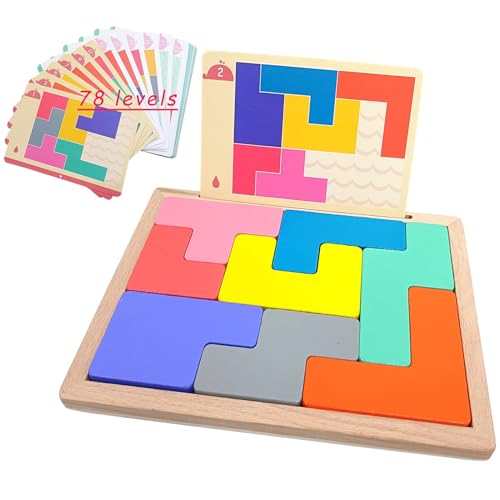
TieGokii Dementia Activities for Seniors,Wooden Puzzles Gifts,Geometric Cognitive Products & Training Games for Alzheimers Elderly
Wooden Puzzles Gifts for Dementia Senior – Engaging with shape-based puzzles encourages cognitive interaction,keeps the brain and hands…
As an affiliate, we earn on qualifying purchases.
As an affiliate, we earn on qualifying purchases.
Conclusion
Think of normal aging like a well-worn trail—you may notice some stones or gentle bends, but you stay on course. Dementia, on the other hand, is like losing your way in unfamiliar woods, with confusing turns and dead ends. Recognizing the difference helps you seek help early, just like consulting a map when you’re lost. Remember, staying alert to these signs can make all the difference in maintaining your independence and quality of life.

TabTime Pill Reminder with 8 Alarms per Day, Pill Tracker, Pill Timer, Medication Reminder Devices, Medication Tracker, Essential Parkinson's Patient Gadget
"Eight independently set alarms: Enjoy the convenience of an alarm clock with multiple alarms that go off at…
As an affiliate, we earn on qualifying purchases.
As an affiliate, we earn on qualifying purchases.

Nootropic Brain Supplement for Memory and Focus Support – Vitamins for Mental Support & Clarity with Bacopa Monnieri, VIT A, B6, Riboflavin, Niacin, Thiamin & Folate – Cognitive Complex – 60 Count
ADVANCED BRAIN SUPPORT FOR MEMORY & FOCUS – Formulated to support cognitive function, mental clarity, and concentration, this…
As an affiliate, we earn on qualifying purchases.
As an affiliate, we earn on qualifying purchases.