

When facing word-finding problems, try using quick replacement ideas like describing the word or using simpler terms. Use gestures or facial expressions to support what you’re saying, and don’t hesitate to pause before responding. Asking for clarification or repeating yourself can also help. These strategies keep conversations smooth and boost your confidence. If you want to explore more ways to improve your communication, there’s helpful advice to guide you further.
Key Takeaways
- Use simple, descriptive phrases or alternative words to convey your message when a specific word is difficult to recall.
- Pause briefly and incorporate gestures or facial expressions to support your verbal communication.
- Develop a mental toolbox of common phrases and descriptions to quickly replace missing vocabulary.
- Practice quick word replacement strategies to keep conversations flowing and build confidence.
- Ask for clarification or repetition when needed, and don’t hesitate to seek help from conversation partners.

Word-finding problems can be frustrating, but there are effective communication strategies to help you express yourself more easily. When you struggle to recall a specific word during a conversation, using word replacement techniques can be invaluable. Instead of getting stuck or feeling anxious, you can describe what you want to say with simpler language or a phrase that conveys the same meaning. For example, if you can’t remember the word “telephone,” you might say “phone” or “the thing we use to talk.” These substitutions keep the conversation flowing and prevent misunderstandings. Developing a habit of quick word replacement helps you stay engaged and confident, even when words temporarily escape you.
In addition to word replacement, honing your conversation strategies can make a significant difference. One effective approach is to pause briefly and gather your thoughts before responding. This gives you a moment to find an alternative way to express your idea without rushing or feeling pressured. Another useful strategy is to use gestures or facial expressions to support your words. These non-verbal cues can clarify your message and reduce the need for perfect vocabulary. Also, don’t hesitate to ask your conversation partner for clarification or to repeat a question if you didn’t catch it. Most people are understanding and willing to help, and this can alleviate stress during interactions.
Building a mental toolbox of alternative phrases and descriptive words can streamline your communication. For instance, if a specific noun escapes you, think about related words or broader categories. If you can’t recall “doctor,” you might say “medical professional” or “someone who helps sick people.” Regular practice with word retrieval techniques can strengthen your ability to find words quickly. Over time, you’ll find it easier to navigate conversations, even when word retrieval is challenging.

Flamaker Power Lift Recliner Chair Electric Lift Recliner for Elderly Power Lift Recliner Chair with Cup Holders Side Pockets for Living Room (Leathaire, Light Black)
Power Lift Support: The lift chair is equipped with a reliable lift motor that adjusts smoothly, ensuring you...
As an affiliate, we earn on qualifying purchases.
Frequently Asked Questions
How Can I Tell if Someone Is Having Word-Finding Difficulty?
You can tell someone is having word-finding difficulty by paying attention to language cues and conversational cues. They might pause longer than usual, use vague words like “thing” or “that,” or seem frustrated when trying to find the right words. They may also repeat phrases or avoid certain topics. These cues indicate they’re struggling to find words, so responding with patience and encouragement helps them feel supported during conversations.
What Are Early Signs of Word-Finding Problems?
Imagine trying to find a word in a crowded library—early signs of word-finding problems include hesitations, pauses, or struggling to recall common vocabulary. You might notice subtle changes in speech patterns, like replacing familiar words with vague ones or speaking less fluently. These small shifts often signal difficulty retrieving words, so paying attention to these early signs helps you recognize emerging issues before they become more noticeable.
Are There Specific Exercises to Improve Word Recall?
Yes, you can improve your word recall with specific exercises. Engage in vocabulary exercises regularly to expand your word bank. Play memory games like matching pairs or word recall challenges to strengthen your memory skills. These activities stimulate your brain and boost your ability to retrieve words more efficiently. Consistent practice helps enhance your communication, making it easier to find the right words quickly in conversations.
How Do Age and Health Affect Word-Finding Ability?
As you age, you may experience some decline in word-finding ability due to age-related decline, making it harder to recall words quickly. Health impacts, like neurological conditions or poor overall health, can further affect your language skills. Staying mentally active, managing health issues, and maintaining social interactions can help mitigate these effects. Regular exercises and a healthy lifestyle support your brain’s resilience, keeping your word recall sharper over time.
When Should I Seek Professional Help for Word-Finding Issues?
Like Macbeth seeking clarity in his speech, you should seek professional help when word-finding problems persist or worsen. If you notice ongoing difficulty communicating, especially if it interferes with daily life, consult a speech-language therapist promptly. They can assess for neurodegenerative conditions and provide targeted speech therapy. Don’t wait for issues to become more pronounced—early intervention guarantees better outcomes and clearer communication.

Watson & Whitely Genuine Leather Power Recliner Chairs for Adults, Wall Hugger RV Recliner with Power Headrest & Charging Ports, Electric Recliner Sofa Chair for Living Room, Dark Brown
Customize Your Comfort: This power recliner chair offers a full spectrum of five-star amenities and is your gateway...
As an affiliate, we earn on qualifying purchases.
Conclusion
Remember, every conversation is a bridge you build with patience and understanding. When words slip away like leaves on the wind, take a deep breath and focus on your connection. Visualize your words as gentle droplets of water, flowing smoothly between you and your listener. By staying calm and persistent, you turn moments of silence into opportunities for empathy and growth. Your voice, even when quiet, can still create a warm, lasting bond that speaks beyond words.
Amazon Product B0G5WZY6XG
As an affiliate, we earn on qualifying purchases.
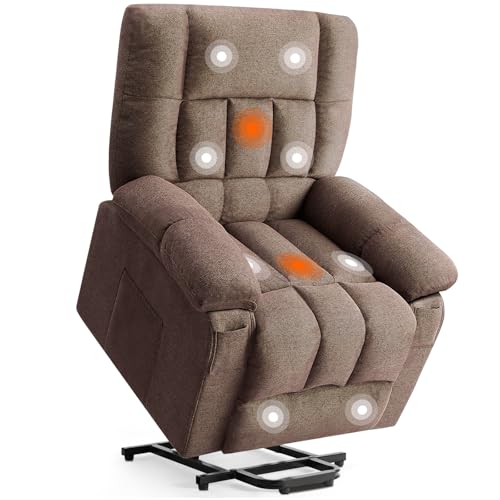
DUMOS Power Lift Recliner Chair with Vibration Massage and Heat for Elderly, Ergonomic Overstuffed Breathable Fabric Reclining Chair with 3 Pockets, Remote Control, Living Room, Bedroom, Brown
[Multi-function Massage Realiner] It has 8 powerful upgraded vibration massage motors, 4 customizable zone settings for back, lumbar,...
As an affiliate, we earn on qualifying purchases.