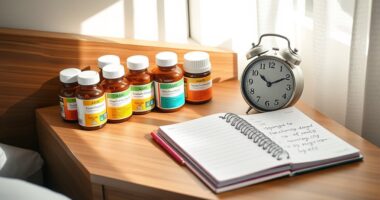
Meal prep for special diets helps you stay on track by ensuring healthy, diet-appropriate snacks and meals are always available. It reduces last-minute temptations and makes busy days easier with ready-to-eat options. By organizing and controlling ingredients and portions, you can stick to gluten-free, vegan, or other dietary needs more confidently. Keep exploring to discover simple strategies and ideas that make meal prep easier and more effective for your specific diet goals.
Key Takeaways
- Plan and stockpile diet-specific snacks and meals to ensure compliance and convenience.
- Prepare diverse, flavorful options to prevent boredom and maintain motivation.
- Store pre-made meals properly for freshness and safety throughout the week.
- Control ingredients and portion sizes to meet dietary goals precisely.
- Use meal prep to reduce stress, save time, and promote healthy eating habits.
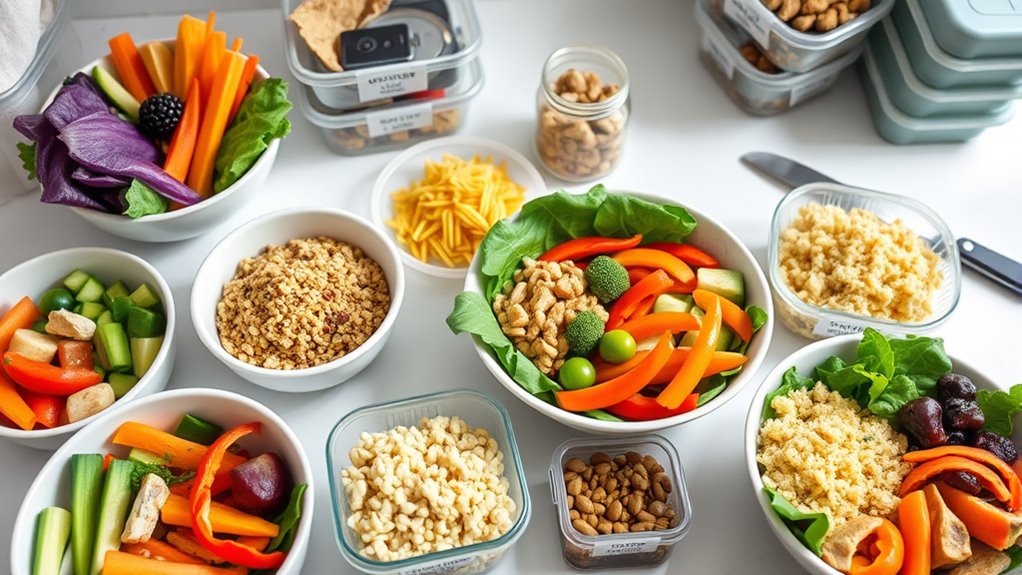
Preparing meals in advance can be a game-changer when you’re following a special diet, helping you stay on track and avoid last-minute temptations. When you plan ahead, you guarantee that you always have suitable options ready, reducing the risk of grabbing unhealthy snacks or giving in to cravings. For those adhering to a gluten-free diet, this means stocking up on an array of gluten-free snacks like rice cakes, nut mixes, or fruit bars, so you always have a quick, satisfying bite without compromising your dietary needs. Preparing these in advance saves time during busy days and assures you won’t be caught empty-handed or tempted by gluten-laden options.
Meal prep ensures healthy, gluten-free snacks always ready and reduces last-minute temptations.
If you’re exploring vegan breakfast ideas, meal prep becomes even more essential. Vegan breakfasts can sometimes be tricky to assemble on the spot, especially if you’re seeking nutritious, filling options. By prepping overnight oats with plant-based milk, chopping fresh fruit, or making vegan muffins ahead of time, you set yourself up for a smooth morning. You’ll wake up knowing that a wholesome breakfast is waiting, eliminating the rush of trying to find something suitable on the fly. These pre-made options not only save time but also help you maintain a balanced, nutrient-rich diet that aligns with your vegan lifestyle.
The key to successful meal prep for special diets is variety and convenience. You want to have a range of options that keep your meals exciting and prevent boredom. For gluten-free snacks, consider creating a mix of roasted chickpeas, veggie sticks with hummus, or gluten-free granola bars. For vegan breakfast ideas, think beyond smoothies—prepare chia pudding, tofu scramble, or energy balls that can be easily stored and grabbed. When you plan and prep these items ahead of time, you reduce stress and make sticking to your diet effortless. Incorporating proper storage techniques ensures your prepped meals stay fresh and safe to eat throughout the week. You’ll find it easier to resist temptations and stay committed to your health goals.
Meal prep also helps you control ingredients and portion sizes, which is especially important on special diets. You can avoid hidden gluten or animal products and manage your intake of calories and nutrients more precisely. Plus, having a stash of ready-to-eat, diet-appropriate snacks and meals means you’re less likely to reach for processed or non-compliant foods when hunger strikes. Ultimately, investing some time in prep work pays off by making your dietary lifestyle sustainable and less stressful. It’s a simple strategy that empowers you to stay disciplined, enjoy your meals, and maintain your health with confidence.
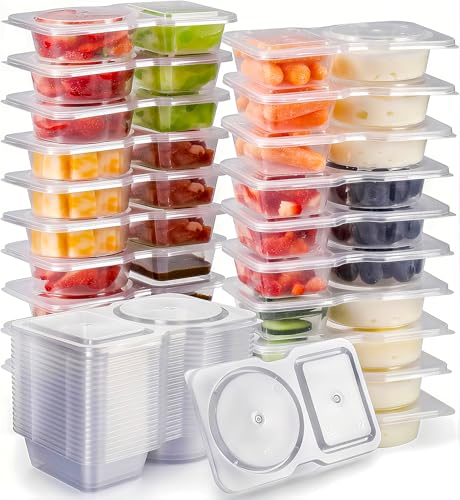
Reusable Snack Containers with Lids: Snack Pack Containers 20Pcs – Snackle Box Container Portion Control – Meal Prep Containers – Double Compartment Snack Containers for Travel – Camping Essentials
2 COMPARTMENT SNACK CONTAINERS DESIGN: The snackle box has 2 separate compartments to store different foods, keep them…
As an affiliate, we earn on qualifying purchases.
As an affiliate, we earn on qualifying purchases.
Frequently Asked Questions
How Do I Ensure Proper Nutrient Balance in My Meal Prep?
To guarantee proper nutrient balance in your meal prep, focus on nutrient timing and portion control. Distribute your meals evenly throughout the day to optimize energy and recovery. Use measuring tools to keep portions in check, ensuring you get the right mix of carbs, proteins, and fats. Incorporate a variety of colorful vegetables and lean proteins, and plan ahead to avoid unhealthy temptations, keeping your diet balanced and effective.
What Are the Best Storage Tips for Maintaining Meal Freshness?
To keep your meals fresh, use airtight containers to prevent moisture and air exposure. Store prepped meals in the refrigerator promptly, ideally within two hours of cooking. Label containers with dates to track freshness and organize them for easy access. Reheat meals thoroughly before eating, and avoid leaving them out for extended periods. Proper refrigeration techniques and airtight storage guarantee your meals stay delicious and safe to consume.
How Can I Adapt Recipes for Multiple Dietary Restrictions?
Did you know that 43% of adults follow a special diet? To adapt recipes for multiple restrictions, start with versatile ingredients and use recipe substitutions tailored to each diet. Add flavor enhancements like herbs, spices, or citrus to boost taste without adding allergens or unwanted ingredients. This way, you guarantee everyone enjoys the meal while respecting their dietary needs, making your prep both inclusive and delicious.
Are There Quick Prep Tips for Busy Weekdays?
To save time on busy weekdays, try batch cooking your meals ahead of time. Prepare large portions and store them in individual containers for quick reheating. You can also pre-assemble ingredients like chopped vegetables, cooked grains, and proteins, so you just combine and heat when needed. This approach minimizes daily prep, keeps things efficient, and guarantees you stick to your dietary needs without sacrificing convenience.
How Do I Handle Food Allergies When Meal Prepping?
Think of your kitchen as a fortress guarding your health. To handle food allergies, you must build clear defenses. Always practice cross contamination prevention by thoroughly cleaning surfaces and using separate utensils. Label clarity is essential—mark each container with allergy info to avoid mistakes. By staying vigilant and organized, you protect yourself and ensure safe, stress-free meals, turning meal prep into a shield rather than a risk.
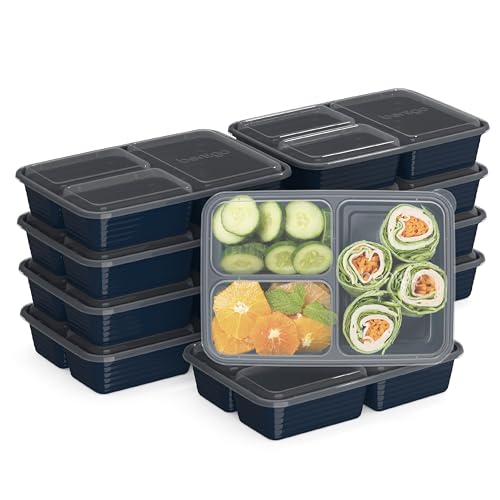
Bentgo Prep – 20-Piece 3-Compartment Reusable Meal Prep Containers with Lids, PFAS & BPA Free Materials, Durable, Microwave, Freezer, & Dishwasher Safe To Go Food Storage (Navy Blue)
#1 Brand Pick for Meal Prep Containers: Bentgo is the top pick for meal prep containers!* This lightweight,…
As an affiliate, we earn on qualifying purchases.
As an affiliate, we earn on qualifying purchases.
Conclusion
Preparing meals for special diets might seem challenging, but with planning and creativity, it becomes manageable and rewarding. You have the power to nourish your body and support your health goals every day. So, why not take control of your meals and turn this journey into a positive experience? After all, isn’t your well-being worth the effort? Embrace these strategies and enjoy the confidence that comes with making mindful, delicious choices every step of the way.

Efficient Nutrition Portion Control Containers DELUXE Kit (14-Piece) with COMPLETE GUIDE + 21 DAY PLANNER + RECIPE eBOOK BPA FREE Color Coded Meal Prep System for Diet and Weight Loss
✔️Downloadable resources!
As an affiliate, we earn on qualifying purchases.
As an affiliate, we earn on qualifying purchases.
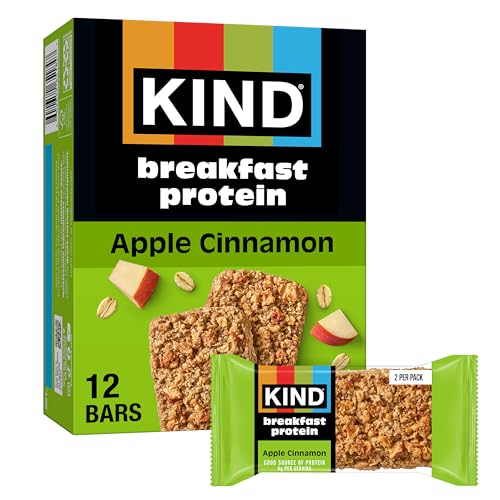
KIND Breakfast Protein, Healthy Snack Bar, Apple Cinnamon, Gluten Free Breakfast Bars, 8g Protein, 1.76OZ Packs, 12 Count
Five boxes of six 1.76 oz two-bar packs of KIND Breakfast Protein, Apple Cinnamon snack bars
As an affiliate, we earn on qualifying purchases.
As an affiliate, we earn on qualifying purchases.