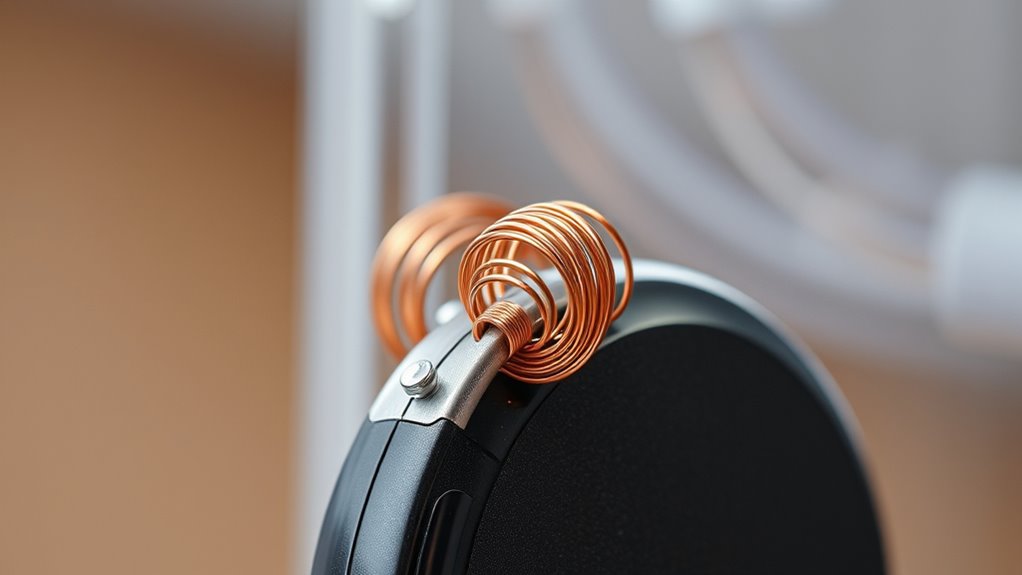

Telecoils (T-coils) are small copper coils built into hearing aids, designed to pick up electromagnetic signals from loop systems installed in venues like theaters or churches. When you switch your hearing device to the telecoil setting, it receives sound directly through magnetic fields, reducing background noise and echoes. This setup provides clearer, more natural sound, making conversations and events easier to follow. If you want to explore how this technology enhances hearing access, there’s more to discover.
Key Takeaways
- Telecoils are copper coils in hearing devices that receive electromagnetic signals from loop systems.
- Loop systems are wire installations in venues that transmit sound directly via magnetic fields.
- Using telecoils with loop systems enhances sound clarity by reducing background noise and echo.
- Activation is simple: switch the hearing device to telecoil mode to access the loop system.
- Loop systems improve accessibility and understanding for individuals with hearing aids or cochlear implants.
If you wear a hearing aid or cochlear implant, telecoils and loop systems can profoundly improve your listening experience. These technologies are prime examples of assistive technology designed to enhance hearing accessibility, making it easier for you to engage in conversations, enjoy performances, or participate in meetings without straining to hear. Telecoils, also known as T-coils, are small copper coils built into many hearing devices. When activated, they pick up electromagnetic signals from compatible loop systems, bypassing background noise and focusing directly on the sound source. Loop systems, on the other hand, consist of a wire loop installed around a designated area—such as a theater, church, or meeting room—that transmits sound signals directly to your hearing device. This setup creates a magnetic field that your telecoil can pick up, delivering clear audio without interference.
The key advantage of using telecoils and loop systems is the significant boost in hearing accessibility. Unlike relying solely on microphones or standard sound amplification, these systems minimize ambient noise and echo, giving you a clearer, more natural sound. This is especially beneficial in crowded or noisy environments where background chatter or machinery can drown out speech. When you activate the telecoil setting on your hearing aid, you essentially turn your device into a direct receiver for the sound system in the room, providing a seamless listening experience. This not only improves comprehension but also reduces listening fatigue, helping you stay engaged longer without feeling overwhelmed.
Implementing telecoils and loop systems is straightforward, and the benefits are immediate. Many public places now install loop systems to meet hearing accessibility standards and accommodate individuals with hearing aids. All you need to do is switch your device to the telecoil setting and ensure the loop system is turned on. In some cases, venues may have signs indicating the availability of loop systems, so it’s worth asking or checking ahead of time. The compatibility between your hearing device and the loop system depends on whether your device has a telecoil; most modern hearing aids and cochlear implants include this feature. Additionally, understanding the cultural heritage of communities that utilize these technologies can foster greater appreciation and support for accessible design.
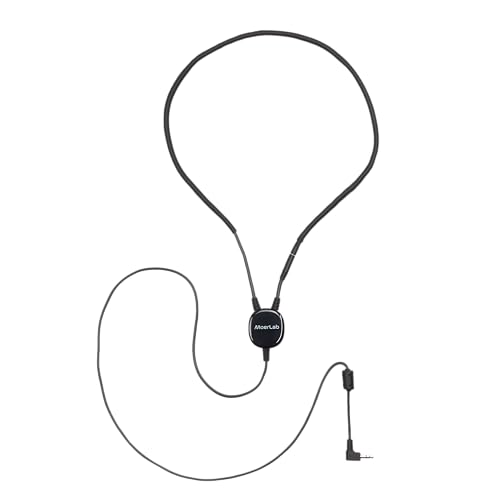
Moerlab T-Connect™ Tele-Coil Neckloop for Hearing Aids – Assistive Listening Loop with 3.5 mm Plug, Compatible with T-Coil & Cochlear Implants, for Theaters, Museums & Public Venues
【Designed for T-Coil Hearing Devices】 T-Connect is designed for hearing aids and cochlear implants equipped with a Tele-Coil…
As an affiliate, we earn on qualifying purchases.
As an affiliate, we earn on qualifying purchases.
Frequently Asked Questions
Can Telecoils Be Used With All Types of Hearing Aids?
Not all hearing aids are compatible with telecoils. You’ll find that many modern hearing aids offer hearing aid compatibility with telecoils, but some older or basic models may lack this feature. Telecoil limitations include potential interference and reduced effectiveness in certain environments. To determine if your hearing aid supports telecoils, check its specifications or consult your audiologist, ensuring you can access the benefits of loop systems when needed.
Are There Compatibility Issues Between Loop Systems and Wireless Devices?
Think of loop systems and wireless devices like dancers trying to share the same dance floor. Sometimes, interference issues can occur, causing dissonance during device pairing. While most modern loop systems are designed to mitigate these conflicts, compatibility isn’t always seamless. You might experience occasional disruptions or need to adjust settings. Being aware of potential interference helps you troubleshoot and ensures your devices work harmoniously, enhancing your listening experience.
How Do I Locate the Nearest Loop System in Public Places?
You can find the nearest loop system by looking for signage cues like “Induction Loop” or “T-coil compatible” signs. Check facility directories or ask staff for assistance, especially in public places like theaters, churches, or airports. These cues help you identify locations with loop systems, making it easier for you to connect your telecoil-equipped device and enjoy clear sound without interference.
What Maintenance Is Required for Telecoils and Loop Systems?
Think of your telecoil and loop system like a garden needing care. You should regularly perform cleaning routines to prevent dust buildup and guarantee clear sound. Additionally, conduct periodic equipment inspections to identify any wear or damage early. This routine maintenance keeps the system functioning at its best, much like tending to a garden ensures healthy growth. Staying proactive with cleaning and inspections guarantees your hearing experience remains reliable and crisp.
Are Loop Systems Effective for Individuals With Cochlear Implants?
Yes, loop systems are effective for individuals with cochlear implants because they enhance loop system accessibility and guarantee cochlear implant compatibility. When you use a loop system, your cochlear implant can directly pick up the sound, reducing background noise and improving clarity. Just make sure the system is properly maintained and compatible with your device, so you experience ideal hearing performance in public spaces.
Moerlab T-Connect™ Tele-Coil Neckloop for Hearing Aids – Assistive Listening Loop with 3.5 mm Plug, Compatible with T-Coil & Cochlear Implants, for Theaters, Museums & Public Venues
【Designed for T-Coil Hearing Devices】 T-Connect is designed for hearing aids and cochlear implants equipped with a Tele-Coil…
As an affiliate, we earn on qualifying purchases.
As an affiliate, we earn on qualifying purchases.
Conclusion
By understanding telecoils and loop systems, you unveil clearer hearing and greater independence. These tools work seamlessly, turning everyday conversations into connected moments. When you realize how simple technology can enhance your life, it feels like a coincidence—almost like hearing was meant to be easier. Embrace these systems, and you’ll find your world becomes more vibrant, more connected, and more you. It’s not just technology; it’s your path to better hearing, happening naturally.
Moerlab T-Connect™ Tele-Coil Neckloop for Hearing Aids – Assistive Listening Loop with 3.5 mm Plug, Compatible with T-Coil & Cochlear Implants, for Theaters, Museums & Public Venues
【Designed for T-Coil Hearing Devices】 T-Connect is designed for hearing aids and cochlear implants equipped with a Tele-Coil…
As an affiliate, we earn on qualifying purchases.
As an affiliate, we earn on qualifying purchases.

Ear Gear Cochlear Cordless – Protect Implants from Dirt, Sweat, Moisture, Wind – Fits Most Cochlear, Advanced Bionics, and Medel Processors
PROTECTION – Ear Gear protects implants from dirt, sweat, moisture, wind
As an affiliate, we earn on qualifying purchases.
As an affiliate, we earn on qualifying purchases.