
To find transportation assistance, start by exploring local transit agencies’ websites for route options, schedules, and accessible services like wheelchair-friendly vehicles. Use apps and online tools to plan your trips and get real-time updates. Consider community resources, non-profits, or specialized services that offer door-to-door and reservation-based support. New options like accessible ride-hailing services can also help. Keep looking into these options to uncover more ways to stay mobile and independent.
Key Takeaways
- Utilize online route planners and real-time transit apps for accessible public transportation options.
- Contact local transit agencies to inquire about wheelchair accessible services and schedule accommodations.
- Explore community resources and non-profit organizations offering specialized transportation for seniors and disabled individuals.
- Consider emerging ride-hailing services that provide wheelchair-accessible vehicles and trained drivers.
- Plan ahead by reserving assistance or specialized services to ensure availability and smooth travel experiences.

Are you struggling to find reliable transportation options? If so, you’re not alone. Navigating the world of transportation can be overwhelming, especially when you need specific services like wheelchair accessible options or flexible schedules. The good news is that there are various public transit options designed to meet diverse needs. Many cities offer extensive networks of buses, trains, and subways that operate on fixed schedules, making it easier for you to plan your day. These systems often include wheelchair accessible services, ensuring that everyone, regardless of mobility challenges, can move around with independence. Public transit agencies recognize the importance of inclusivity and have made significant investments in accessible infrastructure, such as low-floor buses, elevators at major stations, and priority seating. These features are typically well-marked, so you can quickly identify services that accommodate your needs.
To make your journey smoother, it’s helpful to familiarize yourself with local transit maps and schedules. Many transit authorities provide online tools or mobile apps that allow you to plan routes, see real-time updates, and even access information about accessible services in advance. In some cases, you can request assistance or special accommodations when booking your trip. For example, if you need a wheelchair accessible vehicle, contacting the transit agency ahead of time guarantees your transportation will be ready when you arrive. This proactive approach can save you time and reduce stress, especially during busy hours or unfamiliar routes. Additionally, understanding industry trends can help you find new and emerging transportation options that might better suit your needs.
If public transit options don’t fully meet your needs, consider exploring additional community resources. Many non-profit organizations or local government programs offer specialized transportation services for seniors and individuals with disabilities. These services often include door-to-door assistance and are tailored to provide a more personalized experience. Some programs operate on a reservation basis, so it’s essential to plan ahead. Additionally, ride-hailing services are increasingly becoming accessible, with some companies providing wheelchair-accessible vehicles or specialized drivers trained to assist passengers with mobility devices.
wheelchair accessible ride-hailing service
As an affiliate, we earn on qualifying purchases.
As an affiliate, we earn on qualifying purchases.
Frequently Asked Questions
Are There Transportation Assistance Programs for Non-Citizens?
Yes, transportation assistance programs may be available for non-citizens, but your eligibility depends on your immigration status and specific program rules. Some services are accessible regardless of immigration status, while others may have restrictions due to federal or local policies. Travel restrictions related to your immigration status can also affect your options. It’s best to contact local agencies or organizations that offer support for non-citizens to find suitable transportation assistance.
How Do I Qualify for Free Transportation Services?
You qualify for free transportation services by meeting eligibility criteria like income level, age, or disability status. To start, gather necessary documents such as proof of income or identification. Then, follow the application process by filling out forms accurately and submitting them to the designated agency. Once approved, you’ll access a network of rides, schedules, and support systems, making your journey smoother and more accessible every step of the way.
Can I Access Transportation Assistance if I Have a Disability?
Yes, you can access transportation assistance if you have a disability. Many mobility programs offer accessible vehicles designed to meet your needs. You may qualify for specialized services like paratransit or door-to-door transportation through these programs. To get started, contact your local transit authority or disability services agency. They can help you apply and guarantee you receive the appropriate accessible transportation options to maintain your independence and mobility.
What Documents Are Required to Apply for Transportation Aid?
Think of your application as a key opening new opportunities. To start the application process, you’ll need documentation requirements like proof of identity, proof of residence, and disability certification if applicable. Gather these documents early to smooth the journey. Your paperwork acts as a map guiding you through the process, ensuring you’re prepared to access transportation aid efficiently and get closer to your destination with less detour.
Is Transportation Assistance Available for Long-Distance Travel?
Yes, transportation assistance is often accessible for long-distance travel through various transportation programs. You can access services like bus passes, shuttle services, or specialized programs designed for long-distance needs. Check with local agencies or community organizations, as they frequently offer solutions tailored for extended trips. Make sure to inquire about eligibility requirements and application processes to guarantee you get the support you need for your long-distance travel.

Metro Transit Next Trip – Plan your ride in Minnepolis, St. Paul
Find the right bus, light rail, or train for your trip.
As an affiliate, we earn on qualifying purchases.
As an affiliate, we earn on qualifying purchases.
Conclusion
Finding transportation assistance is like maneuvering a busy city with a helpful map—you just need to know where to look. Imagine Sarah, who once felt stranded without a ride, now confidently uses local programs that connect her to buses and rideshares. With over 60% of communities offering support, you’re not alone on this journey. Reach out, explore your options, and soon you’ll find the key to getting where you need to go—making every trip a smooth ride.

Accessible USA: Inclusive Travel Across the United States for Seniors and Disabled Travelers (Accessible Travel Adventures: Exploring the World Without Limits)
As an affiliate, we earn on qualifying purchases.
As an affiliate, we earn on qualifying purchases.
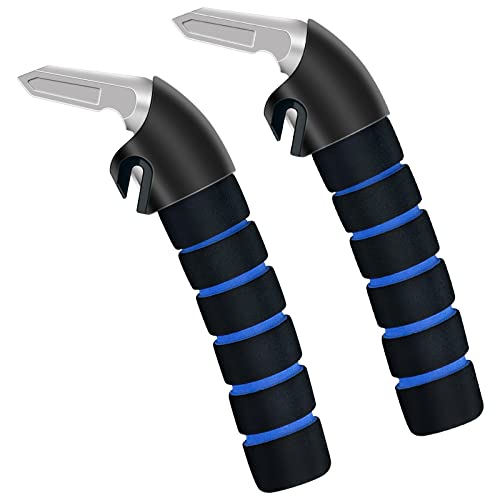
KOUNATSURI 2Pack Car Door Handle for Elderly Car Handle Assist Support Multifunction for Seniors and Handicapped
【Could Load 400lbs】Car door handle is made of high-quality forged steel, Using upgraded composite materials, anti-rust, and anti-corrosion….
As an affiliate, we earn on qualifying purchases.
As an affiliate, we earn on qualifying purchases.