
To advocate effectively at doctor appointments, prepare by writing down your symptoms, questions, and concerns beforehand. During the visit, be honest and ask questions to clarify any information, including treatment options and potential side effects. Don’t hesitate to express your needs and take notes to remember key details. Remember, your voice matters, and questioning or exploring options can make a big difference. Keep exploring to learn how to confidently guide your healthcare journey.
Key Takeaways
- Prepare questions, symptoms, and concerns in advance to ensure all topics are addressed.
- Communicate openly, ask clarifying questions, and request explanations in plain language.
- Explore all treatment options, including risks and benefits, and voice preferences or concerns.
- Take notes or bring someone to help remember details and clarify information later.
- Follow up after appointments to review notes and address any new questions or uncertainties.

Have you ever felt unsure whether your concerns are fully understood during a doctor’s appointment? It’s a common experience. You sit in the exam room, trying to communicate your symptoms or worries, but sometimes it feels like your words aren’t getting through or that the doctor isn’t asking enough questions. That’s where advocating for yourself becomes essential. You need to take an active role in your healthcare, especially when it comes to asking medical questions and exploring treatment options. Remember, your health is your priority, and clear communication is key.
Start by preparing ahead of time. Write down your symptoms, questions, and any concerns you want to address. Think about what you want to know regarding your medical questions—whether it’s about the cause of your symptoms, potential diagnoses, or the effects of certain treatments. When you arrive, don’t hesitate to bring up these points early in the conversation. If the doctor jumps into diagnosis without fully understanding your experience, ask clarifying questions. For example, you might say, “Can you explain what this means in plain language?” or “What other treatment options are available for this condition?” This approach guarantees you’re not just passively listening but actively engaging in your care.
During the appointment, be honest about your symptoms and how they impact your daily life. If the doctor suggests a treatment plan, ask about all available options. Don’t settle for a single recommendation without understanding the alternatives. If you’re unsure about the side effects or risks of a treatment, voice those concerns. You can ask, “What are the benefits and drawbacks of this option?” or “Are there other treatments I should consider?” Remember, your input helps your healthcare provider tailor the plan to your needs. Also, don’t shy away from requesting additional tests or second opinions if something isn’t clear or if you’re not comfortable with the suggested course of action. Being aware of environmental considerations that can affect your health can also help you ask more informed questions about your condition and lifestyle.
Throughout the appointment, stay assertive but respectful. If you feel your questions aren’t being answered or your concerns aren’t being addressed, politely insist on more information. You have the right to fully understand your diagnosis and treatment options. Take notes if necessary, or bring someone with you who can help remember details. After the appointment, review your notes and follow up with your provider if new questions arise. Advocating for yourself isn’t about challenging your doctor; it’s about making sure your voice is heard and your health decisions are well-informed. By staying proactive, asking the right questions, and exploring all your options, you can ensure you’re getting the best possible care.
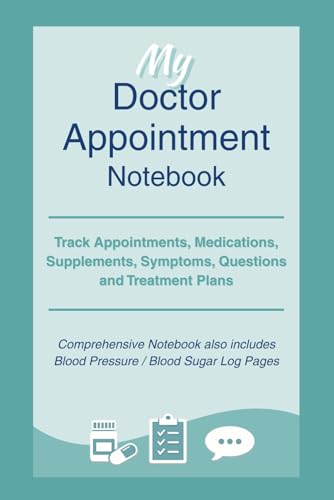
My Doctor Appointment Notebook: Track Appointments, Medications, Supplements, Symptoms, Questions and Treatment Plans
As an affiliate, we earn on qualifying purchases.
As an affiliate, we earn on qualifying purchases.
Frequently Asked Questions
How Can I Prepare for a Sensitive or Emotional Appointment?
To prepare for a sensitive or emotional appointment, practice mindfulness techniques like deep breathing or grounding exercises to stay centered. Consider bringing emotional support, whether a trusted friend, family member, or counselor, to help you feel more comfortable and supported. Write down your feelings, questions, or concerns beforehand, so you can communicate clearly. Remember, it’s okay to take pauses, express your emotions, and prioritize your well-being during the appointment.
What Should I Do if My Doctor Dismisses My Concerns?
If your doctor dismisses your concerns, remember patient empowerment is key. Clearly express why you’re worried and ask questions to improve your medical literacy. Don’t hesitate to request additional tests or a second opinion if needed. Trust your instincts and advocate for yourself confidently. Your health matters, and understanding your options helps you feel more in control and guarantees your concerns are taken seriously.
How Do I Handle Language Barriers During Appointments?
Ever wondered how to navigate language barriers during appointments? You can request a medical interpreter or translation services to guarantee clear communication. Don’t hesitate to ask your healthcare provider if these services are available, and bring a trusted friend or family member who speaks the language if possible. Clear communication is essential for your health, so advocating for these resources helps you understand your diagnosis and treatment options confidently.
What Are My Rights if I Disagree With a Diagnosis?
If you disagree with a diagnosis, you have the right to ask for clarification and seek a second opinion. Your rights include maintaining patient privacy and guaranteeing informed consent before any treatment. Don’t hesitate to voice your concerns clearly and ask questions about the diagnosis, treatment options, and access to your medical records. Advocating for yourself helps ensure your healthcare respects your preferences and rights.
How Can I Advocate for Myself if I Have a Chronic Condition?
You can champion your health journey through patient empowerment by staying informed and asking questions to enhance your medical literacy. Bring a list of symptoms, treatments, and concerns to appointments, and don’t hesitate to voice your preferences and ask for clarifications. Building a partnership with your healthcare team helps ensure your needs are understood and met, turning you into a proactive participant in managing your chronic condition.

Comulytic Note Pro AI Voice Recorder, Unlimited Transcribe & Summarize, AI Note Taking Recording Device w/Case, App Control, 113 Languages for Calls, Meetings, Lectures, Interviews, Black
Unlimited Free Transcription & Summary: The Comulytic Note Pro, your AI note taking device, offers unlimited free transcription…
As an affiliate, we earn on qualifying purchases.
As an affiliate, we earn on qualifying purchases.
Conclusion
Remember, advocating for yourself at doctor appointments guarantees you get the care you deserve. Studies show that patients who speak up are 50% more likely to receive accurate diagnoses and effective treatments. So, don’t hesitate to ask questions, share concerns, and clarify information. Your health is worth the effort. By being proactive, you’re taking control of your healthcare journey—empowering yourself every step of the way.

WTF Is Wrong With Me?: A Pain & Symptom Tracker To Help You Find Your Diagnosis
As an affiliate, we earn on qualifying purchases.
As an affiliate, we earn on qualifying purchases.

So You Want to Be a Patient Advocate?: Choosing a Career in Health or Patient Advocacy (Health Advocacy Career)
As an affiliate, we earn on qualifying purchases.
As an affiliate, we earn on qualifying purchases.