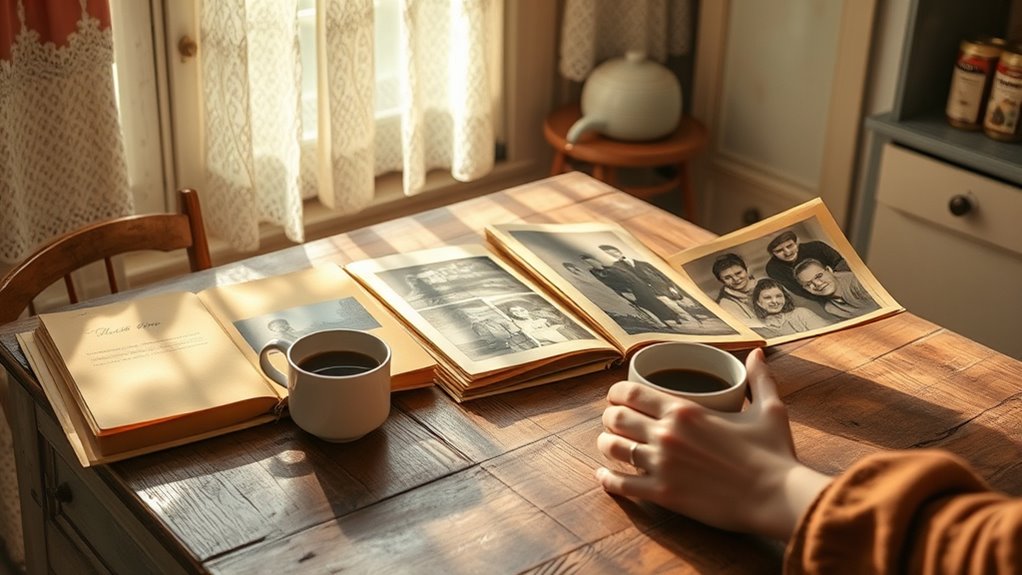

To spark reminiscence, revisit familiar activities like playing nostalgic board games, engaging with vintage music, or using tactile props that trigger memories. Engage multiple senses—sight, sound, touch—to deepen the emotional impact and transport yourself back in time. Shared stories and laughter naturally follow these moments, strengthening bonds. Continuing to explore these simple, joyful activities can open a treasure trove of memories and feelings waiting to be rediscovered.
Key Takeaways
- Engaging in nostalgic games and activities that trigger sensory memories, such as tactile, auditory, and visual cues.
- Revisiting childhood hobbies or favorite pastimes to evoke personal stories and emotions.
- Sharing old photographs, music, or stories to stimulate memories and foster connection.
- Participating in familiar routines or traditions that hold sentimental value.
- Using sound healing or calming techniques to enhance emotional recall and reflection.
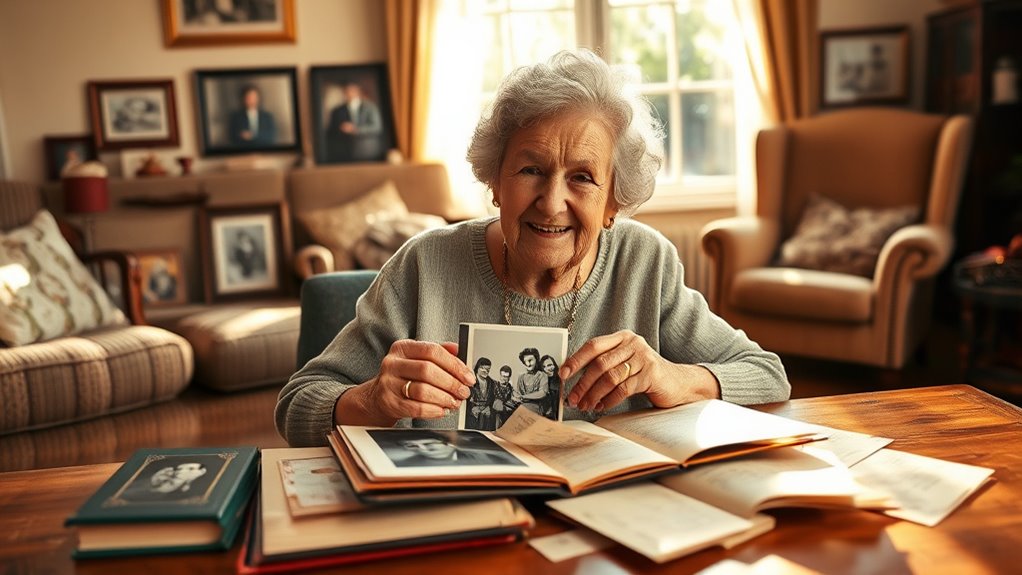
Have you ever wondered how certain activities can bring back vivid memories and reconnect you with your past? It’s fascinating how some simple actions can serve as powerful memory triggers, *releasing* a flood of emotions and stories long tucked away. One of the most effective ways to do this is through nostalgic games. These aren’t just childhood pastimes; they’re gateways to another time, stirring feelings of innocence, joy, and belonging. When you pick up a classic board game or play a beloved video game from years ago, you activate neural pathways associated with those earlier experiences. Suddenly, you’re transported to a specific moment—sitting around a table with family, competing fiercely with friends, or losing yourself in an immersive digital world. These nostalgic games act as anchors, *securing* you to memories that might have otherwise faded into the background.
Memory triggers like familiar melodies, scents, or sights can also evoke powerful recollections, but nostalgic games are particularly effective because they engage multiple senses and emotions simultaneously. The tactile sensation of moving game pieces, the sounds of dice rolling, or even the visual appeal of vintage game artwork all work together to trigger memories. When you engage in these activities, your brain retrieves associated experiences, making you feel as if you’re reliving those moments firsthand. It’s no wonder that playing old games often leads to spontaneous storytelling or laughter, as old stories and shared experiences come bubbling to the surface. These moments of reminiscence are not just nostalgic; they’re also healing. They remind you of the bonds you’ve formed, the lessons you’ve learned, and the innocence of youth. Additionally, the science of sound frequencies suggests that incorporating sound healing elements, such as background music or specific tones, can enhance the emotional and cognitive effects of these activities.
Engaging in nostalgic games can also spark conversations with others who shared those experiences, deepening connections and creating new memories rooted in the past. Whether it’s a family game night, reconnecting with childhood friends, or revisiting games you loved as a teen, these activities allow you to relive the past while creating new stories in the present. The beauty of nostalgic games is their timeless appeal—they remind you that some memories are worth revisiting, and that joy, laughter, and connection are often just a game away. So next time you’re feeling disconnected or nostalgic, consider dusting off those old board games or digital favorites. You might just find that the simple act of playing can *unseal* a treasure trove of memories, bringing your past vividly back to life.

WS Game Company Monopoly Vintage Bookshelf Edition Board Game Premium Fabric-Wrapped Book Storage Box with Retro Graphics, Wooden Houses, Strategy Board Games for Kids, Adults & Family, Ages 8+
- Stylish fabric-wrapped bookshelf display: Space-saving book storage and décor
- Vintage 1935 Monopoly-inspired design: Authentic graphics with foldable playboard
- Includes wooden houses and hotels: Premium game pieces for immersive play
As an affiliate, we earn on qualifying purchases.
As an affiliate, we earn on qualifying purchases.
Frequently Asked Questions
How Can Reminiscence Activities Improve Mental Health?
Reminiscence activities can boost your mental health by providing emotional benefits, like reducing feelings of loneliness and enhancing happiness. They also promote cognitive stimulation, which keeps your mind active and sharp. When you engage in recalling past experiences, you create a sense of identity and belonging. These activities encourage positive reflection and connection, helping you manage stress better and improve overall well-being.
Are There Age-Specific Activities for Different Seniors?
Isn’t it true that tailored experiences resonate more deeply? Yes, there are age-specific activities for different seniors. When planning activities, focus on age-specific programming that matches cognitive and physical abilities. For early seniors, consider light exercise or memory games; for later seniors, gentler activities like arts and crafts or storytelling work best. Effective senior activity planning keeps everyone engaged, respectful, and joyful, fostering meaningful connections across generations.
Can Reminiscence Activities Help With Memory Loss?
Yes, reminiscence activities can help with memory loss by activating memory triggers and providing sensory stimulation. When you engage in activities like looking at old photos or listening to familiar music, you stimulate your senses and prompt recall of past experiences. This not only boosts your memory but also enhances your mood and sense of identity, making these activities valuable tools in managing memory loss.
What Safety Precautions Are Needed During These Activities?
Think of activity supervision as a safety net; it prevents falls. To guarantee safety, follow guidelines like keeping the environment clutter-free and staying within arm’s reach. Use clear instructions and observe for signs of distress. For example, during a memory-sharing activity, you might notice someone becoming agitated—promptly offer support or pause. Always prioritize safety guidelines to create a secure space, making reminiscence activities both enjoyable and safe for everyone involved.
How to Personalize Activities for Individual Preferences?
To personalize activities for individual preferences, you should use personalized approaches and activity customization. Start by learning about their past experiences, hobbies, and interests, then tailor activities to match those. Observe their reactions and adjust accordingly, ensuring the activities are meaningful and engaging. This way, you create a memorable experience that resonates with their unique personality, fostering connection and promoting positive reminiscence.
Conclusion
Think of your memories as a garden, each activity a gentle rain that helps it bloom. When you engage in these reminiscence-evoking activities, you’re watering the flowers of your past, allowing them to flourish once more. Cherishing these moments is like tending to a precious, timeless landscape inside you. Keep nurturing your memories, for they’re the roots that hold your story, grounding you with warmth and meaning in every season of life.