

To apply motivational interviewing basics at home, focus on active listening by giving your full attention, using open-ended questions, and expressing genuine empathy. Create a safe space where honest feelings and ambivalence can be shared without judgment. Support personal choice by exploring motivations and respecting autonomy. Patience and ongoing encouragement are key as change is a gradual process. If you keep exploring, you’ll discover more ways to foster meaningful behavior change in your daily life.

Turn quiet afternoons into listening time
- Thousands of audiobooks, podcasts and originals
- Listen on your phone, tablet or Echo — also offline
- Cancel anytime
Key Takeaways
- Practice active listening by giving full attention, nodding, and using open-ended questions to encourage reflection.
- Create a non-judgmental environment that validates feelings and fosters honest sharing at home.
- Use empathetic statements to acknowledge emotions and build trust without pressuring for immediate change.
- Support autonomous decision-making by asking about readiness and respecting personal choices for behavior change.
- Promote internal motivation through genuine dialogue, patience, and ongoing encouragement within your home setting.
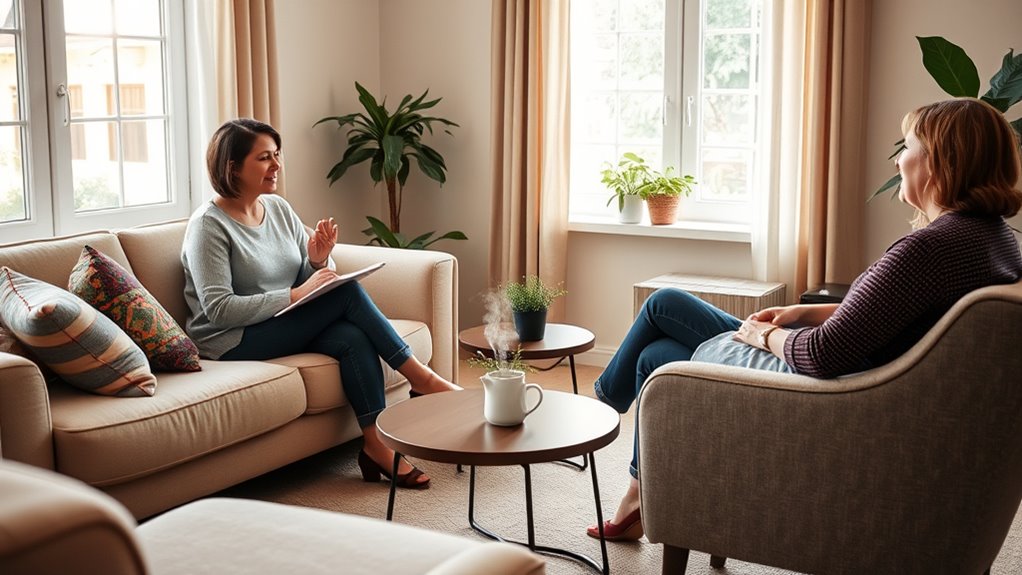
Have you ever wondered how to effectively help someone change their behavior? When it comes to supporting loved ones or even yourself, understanding the basics of motivational interviewing can make a significant difference. This approach is centered around fostering genuine patient engagement and encouraging sustainable behavior change without pressure or judgment. At its core, motivational interviewing is about creating a safe space where open dialogue leads to self-motivation and personal commitment. When practiced at home, it empowers you to guide conversations that enable others to explore their ambivalence about change, making it more likely they’ll move toward healthier choices.
To begin, focus on active listening. Instead of offering solutions right away, really hear what the other person is saying. Show that you’re engaged by maintaining eye contact, nodding, and using verbal affirmations like “I see what you’re saying” or “That makes sense.” This builds trust and demonstrates that you genuinely care about their perspective. When discussing behavior change, it’s important to avoid direct persuasion or criticism. Instead, ask open-ended questions that invite reflection, such as, “What are some reasons you might want to make this change?” or “How do you feel about your current habits?” These questions help the person articulate their own motivations, which is essential for fostering patient engagement and internal commitment.
Focus on active listening and open-ended questions to foster trust and motivate change.
Another key element is empathy. Express understanding and validate their feelings, even if you don’t agree with their current choices. Phrases like “It sounds like you’re feeling torn about this,” or “I understand that change can be hard,” show compassion and encourage honest sharing. This makes it easier for the individual to confront their ambivalence and consider the benefits of change. Remember, the goal isn’t to persuade but to help them explore their own reasons for change, strengthening their intrinsic motivation. Recognizing psychological principles such as attachment theory can enhance your understanding of how emotional bonds influence motivation and behavior change.
When discussing steps forward, support autonomy by framing change as a personal choice. Instead of telling someone what to do, ask what they feel ready to work on and how they might approach it. This approach aligns with behavior change principles and enhances patient engagement because it makes the individual feel empowered rather than pressured. Throughout your conversations, be patient and avoid rushing. Change doesn’t happen overnight, and your role is to guide, listen, and support as they navigate their own journey. By practicing these skills at home, you can create a positive environment that encourages meaningful behavior change rooted in self-motivation and respect.
motivational interviewing books for beginners
As an affiliate, we earn on qualifying purchases.
As an affiliate, we earn on qualifying purchases.
Frequently Asked Questions
Can Motivational Interviewing Be Effective Without a Professional Facilitator?
Motivational interviewing can be somewhat effective without a professional facilitator if you engage in honest self-reflection and seek peer support. By actively listening to yourself and understanding your motivations, you can foster change. Connecting with trusted friends or support groups provides encouragement and accountability. While a professional can guide you more effectively, these strategies help you apply motivational interviewing principles at home and stay committed to your goals.
How Do I Start Practicing Motivational Interviewing Alone?
Think of practicing motivational interviewing alone as tending a garden—you need patience and care. Start by honing your self-reflection techniques, asking yourself why you feel certain ways, and actively listening to your inner dialogue. Practice active listening skills by paying close attention to your thoughts and feelings without judgment. Over time, these habits help you become more attuned to your motivations, making your self-guided efforts more effective and authentic.
What Are Common Mistakes Beginners Make With Motivational Interviewing?
You might overestimate your skills, falling into overconfidence pitfalls that hinder genuine connection. Ignoring empathy is another common mistake, making your responses feel dismissive rather than supportive. Focus on active listening and reflecting feelings to avoid these pitfalls. Remember, motivational interviewing is about guiding without judgment, so stay humble and empathetic. Practicing self-awareness helps you recognize these mistakes early, ensuring you build trust and facilitate meaningful change.
Is Motivational Interviewing Suitable for Children or Teenagers?
Did you know that motivational interviewing has a 75% success rate in improving child engagement and adolescent communication? It’s highly suitable for children and teenagers because it encourages their active participation and respects their autonomy. You can use it to help them explore their feelings and develop motivation for change. Just remember to adapt your approach to their developmental level, making conversations supportive and non-judgmental to foster trust.
How Long Does It Typically Take to See Results at Home?
You’ll likely start noticing results within a few weeks if you practice consistency and stay patient. Keep realistic expectations, as change takes time, especially when applying motivational interviewing techniques at home. Regularly engaging in open, supportive conversations helps reinforce progress. Remember, persistence is key—sticking with the process, even if progress seems slow initially, will lead to meaningful improvements over time.
Conclusion
Think of motivational interviewing at home as tending a delicate garden. With patience, gentle encouragement, and active listening, you nurture the seeds of change within yourself or loved ones. Every small conversation is like watering a tiny sprout, helping it grow stronger. Remember, progress isn’t always visible overnight, but with consistent care, those little efforts will blossom into meaningful change. Keep tending your garden of motivation—you’re capable of cultivating a healthier, happier life.
Halloween Picks
halloween
As an affiliate, we earn on qualifying purchases.