
Caring for Parkinson’s disease at home means managing medications carefully with reminders, keeping organized logs, and regularly consulting healthcare providers to adjust treatments. Guarantee a safe environment by removing hazards, using support devices, and assisting with mobility to prevent falls. Encourage routines and patience to help maintain independence. Consistent organization and gentle support make daily life easier and safer. To learn more about effective strategies that can make a difference, keep exploring practical tips for home care.
Key Takeaways
- Use alarms and logs to ensure timely medication intake and prevent missed doses.
- Assist with mobility using supportive devices and create a safe, hazard-free environment.
- Maintain organized routines and clear schedules to support consistent care and independence.
- Communicate regularly with healthcare providers to adjust medications and monitor health.
- Minimize home hazards, ensure good lighting, and encourage slow, deliberate movements to prevent falls.

Caring for a loved one with Parkinson’s disease at home can be challenging, but with the right knowledge and approach, you can provide effective support. One of the most critical aspects of their care is medication management. Parkinson’s symptoms are managed primarily through medications that help control tremors, stiffness, and mobility issues. It’s essential to stay organized and ensure that your loved one takes their medications exactly as prescribed. Set up a clear schedule with alarms or reminders, and keep a detailed log to track doses and times. This helps prevent missed doses or accidental overdoses, which can worsen symptoms or cause side effects. Always communicate regularly with their healthcare provider to adjust medications if needed, and never change doses without professional guidance. Proper medication management can considerably improve your loved one’s quality of life and make daily routines smoother.
Mobility assistance is another vital element of home care. Parkinson’s often causes muscle rigidity, balance problems, and slowed movements, making everyday tasks more difficult. You’ll need to assist with activities like walking, getting in and out of chairs, or reaching for objects. Use supportive devices such as gait belts, walkers, or handrails to help your loved one move safely. When helping them walk, encourage slow, deliberate steps and stay close to prevent falls. Be mindful of their fatigue levels; don’t push too hard, and allow plenty of rest periods. Creating a safe environment also minimizes risks—remove tripping hazards, secure loose rugs, and ensure good lighting. You might find it helpful to establish routines for mobility, so your loved one knows what to expect and feels more confident moving around. Always pay close attention to their cues: if they seem unsteady or uncomfortable, pause and offer support. Remember, patience is key—your gentle assistance and reassurance can make a big difference in maintaining their independence and safety. Additionally, understanding the importance of contrast ratio can help you optimize your home environment for better visibility and safety.
Supporting a loved one with Parkinson’s requires a proactive approach to medication management and mobility assistance. By staying organized with medications and providing safe, compassionate help with movement, you help them maintain as much independence as possible. Your attentiveness and patience can ease their daily challenges and foster a sense of security. Keep open lines of communication with healthcare professionals to stay informed about treatment options and adjustments. With consistent care and understanding, you can help your loved one navigate Parkinson’s disease at home with dignity and comfort.

TabTime Pill Reminder with 8 Alarms per Day, Pill Tracker, Pill Timer, Medication Reminder Devices, Medication Tracker, Essential Parkinson's Patient Gadget
"Eight independently set alarms: Enjoy the convenience of an alarm clock with multiple alarms that go off at…
As an affiliate, we earn on qualifying purchases.
As an affiliate, we earn on qualifying purchases.
Frequently Asked Questions
How Can I Manage Medication Side Effects Effectively at Home?
To manage medication side effects effectively at home, focus on medication timing to prevent symptoms from worsening. Keep a detailed schedule and take medicines as prescribed. For side effect management, communicate with your healthcare provider about any issues, and consider adjustments if needed. Stay informed about potential side effects, maintain a healthy diet, and stay hydrated. Regularly monitor symptoms, and don’t hesitate to seek medical advice when necessary.
What Are Early Signs of Complications to Watch For?
You should watch for signs like sudden confusion, severe dizziness, worsening mobility, or difficulty swallowing. Regular symptom monitoring helps catch complications early. Keep emergency preparedness in mind by having a list of contacts, your healthcare provider’s info, and emergency supplies ready. If you notice any sudden changes or severe symptoms, seek medical help immediately. Staying vigilant guarantees you can address issues promptly and keep your loved one safe at home.
How Do I Handle Emotional and Psychological Changes in Patients?
Did you know that up to 50% of people with Parkinson’s experience depression or anxiety? When handling emotional and psychological changes, provide emotional support by listening actively and validating their feelings. Encourage psychological coping strategies like mindfulness or support groups. Stay patient, offer reassurance, and seek professional help if needed. Your understanding and encouragement can markedly improve their mental well-being and help them navigate these challenging changes.
Are There Specific Home Modifications Recommended for Safety?
You should prioritize home safety by removing tripping hazards, securing loose rugs, and installing grab bars in bathrooms. Consider adding ramps or stairlifts to improve mobility and prevent falls. Use mobility aids like walkers or canes properly to support stability. Make certain of good lighting throughout the house and keep pathways clear. These modifications help create a safer environment, promoting independence and reducing the risk of injury for your loved one.
How Can I Support Communication With a Patient Experiencing Speech Difficulties?
You can support communication by actively engaging in assistive communication strategies and encouraging speech therapy. Coincidentally, using simple, clear language and maintaining eye contact helps your loved one feel understood. You might also explore devices like speech-generating tools if needed. By being patient, listening attentively, and practicing these techniques, you foster better connection and confidence in their communication efforts, making daily interactions more meaningful.
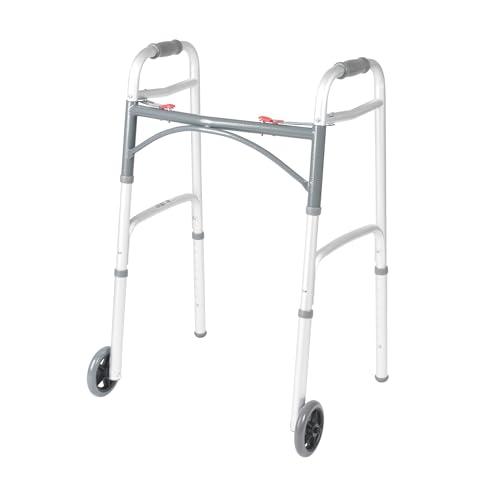
Drive Medical Two-Button Folding Walker With Wheels – Lightweight Rolling Mobility Support – Adjustable Height – Dual Push-Button Operation – 5 Inch Front Wheels – Durable Aluminum – Silver
Enhanced Mobility Assistance: The Drive Medical Folding Walker supports stability for everyday movement, featuring dual push-button releases and…
As an affiliate, we earn on qualifying purchases.
As an affiliate, we earn on qualifying purchases.
Conclusion
So, you’ve mastered the art of juggling medications, managing tremors, and pretending you’re not totally overwhelmed. Who knew that caring for Parkinson’s at home would turn you into a part-time nurse, full-time superhero? Just remember, every shaky hand and missed dose is a badge of honor—proof you’re doing your best. Keep laughing, stay patient, and maybe invest in some sturdy coffee—because, honestly, you’re going to need it. You’ve got this!

Inaya Complete Baby Proofing Kit – Child Safety Hidden Locks for Cabinets & Drawers, Adjustable Safety Latches, Corner Guards and Outlet Covers – Baby Proof Pack to Keep Your Child Safe at Home
All-in-one Child proofing Kit: Ensure the safety of your kids (up to 5 years) at home, with the…
As an affiliate, we earn on qualifying purchases.
As an affiliate, we earn on qualifying purchases.

Adjustable Standing Assist Aid for Elderly, Get Up from Floor with Non-Slip Base, Mobility Support Device for Seniors, Standup Helper for Indoor & Outdoor Use(Black)
【ADJUSTABLE FOLDING CANE FOR COMPACT PORTABILITY】This folding cane adjusts from 33in to 38in with 6 height settings, ensuring…
As an affiliate, we earn on qualifying purchases.
As an affiliate, we earn on qualifying purchases.