Balancing caregiving and managing your own anxiety can be tough, but small, consistent practices make a big difference. Incorporate mindfulness by focusing on your breath or using grounding techniques during busy moments to stay present. Relaxation exercises like deep breathing or guided imagery help ease tension quickly. Prioritizing self-care routines before bed or during breaks can improve resilience and reduce stress. Keep exploring these simple strategies to find what works best for you and your well-being.

Turn quiet afternoons into listening time
- Thousands of audiobooks, podcasts and originals
- Listen on your phone, tablet or Echo — also offline
- Cancel anytime
Key Takeaways
- Incorporate brief mindfulness practices, like focused breathing, into daily routines to stay present and reduce anxiety.
- Use quick relaxation exercises such as deep breathing or progressive muscle relaxation during busy moments.
- Establish calming routines before sleep, like listening to soothing music or gentle stretching, to improve rest and reduce stress.
- Seek support through groups or counseling to share experiences and gain coping strategies.
- Practice self-care regularly to build resilience, improve mental health, and enhance caregiving effectiveness.
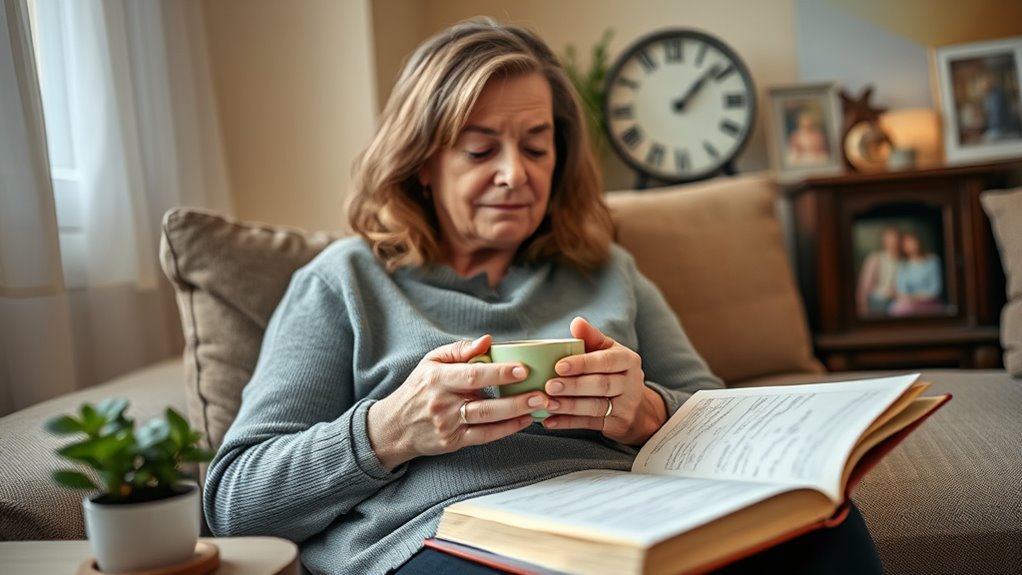
Caring for others can be deeply rewarding, but it often comes with considerable stress and anxiety. As a caregiver, your responsibilities can feel overwhelming, leaving you physically and emotionally drained. Finding ways to manage this anxiety is essential for your well-being and the quality of care you provide. One effective approach is to incorporate mindfulness techniques into your daily routine. These practices help you stay present, reduce racing thoughts, and foster a sense of calm. For example, you might spend a few minutes focusing on your breath, noticing each inhale and exhale without judgment. This simple act can ground you during hectic moments and create space between you and your worries. Combining mindfulness with relaxation exercises can further ease tension. Deep breathing, progressive muscle relaxation, or guided imagery are excellent tools to calm your nervous system. When you feel anxious, take a moment to breathe deeply, filling your lungs slowly, then exhale fully. Repeating this several times can quickly reduce feelings of panic or stress. Progressive muscle relaxation involves tensing and relaxing different muscle groups, helping you become more aware of physical tension and releasing it intentionally. Guided imagery, where you visualize a peaceful scene, transports your mind away from stressors, providing mental relief. Incorporating local resources such as support groups or counseling services can also provide additional relief and guidance. Integrating these relaxation exercises into your daily schedule, even for just a few minutes, can substantially lower your anxiety levels. Remember, consistency is key; the more regularly you practice, the more natural these techniques become in helping you manage stress. It’s also helpful to develop a set of quick mindfulness techniques you can use during busy moments. For instance, when you’re feeling overwhelmed, pause briefly to focus on your senses—notice what you see, hear, feel, smell, and taste. This sensory awareness shifts your attention away from worries and anchors you in the present. Additionally, establishing a calming routine before bed can improve your sleep quality, which directly impacts your anxiety. Use relaxation exercises, such as listening to calming music or practicing gentle stretches, to wind down. Prioritizing your mental health by regularly practicing mindfulness and relaxation exercises not only benefits you but also enhances your capacity to care effectively for others. You deserve moments of peace amid your busy days, and these techniques are accessible tools to help you find it. With consistent effort, you’ll discover that managing your anxiety becomes more manageable, allowing you to stay resilient and present for those who depend on you.
As an affiliate, we earn on qualifying purchases.
Frequently Asked Questions
How Can Caregivers Find Time for Self-Care Amidst Their Duties?
You can find time for self-care by prioritizing tasks through effective time management, like creating a daily schedule that includes short breaks. Delegate responsibilities whenever possible to reduce your stress, and don’t hesitate to ask for help. Even a few minutes of deep breathing or stretching can markedly reduce stress. Remember, taking small moments for yourself helps recharge your energy, making caregiving more sustainable and less overwhelming.
What Are Quick Anxiety-Relief Techniques Suitable for Busy Schedules?
Think of quick anxiety-relief techniques as your mental pit stop. You can practice mindfulness exercises like focusing on your breath, or use simple breathing techniques—inhale for four seconds, hold, then exhale slowly. These methods act like a reset button, helping you regain calm instantly. Even during busy moments, dedicating a minute to these practices can make a big difference in reducing stress and keeping you centered.
How Does Sleep Deprivation Affect Caregivers’ Anxiety Levels?
Sleep deprivation impacts your mood and increases cortisol levels, making you more prone to anxiety. When you don’t get enough rest, your brain struggles to regulate emotions, leading to heightened stress and irritability. This creates a cycle where anxiety worsens, and sleep becomes even harder to achieve. Prioritizing sleep, even in small moments, helps lower cortisol and stabilize your mood, making it easier to manage anxiety during busy caregiving days.
Are There Specific Dietary Changes That Help Reduce Caregiver Anxiety?
You can reduce caregiver anxiety through specific dietary adjustments by focusing on nutritional strategies like eating more omega-3 fatty acids, leafy greens, and berries, which support brain health and mood stability. Incorporate balanced meals with lean proteins and whole grains to stabilize blood sugar levels. Limiting caffeine and processed foods also helps manage stress. These dietary adjustments promote better mental clarity and emotional resilience, making it easier to handle caregiving challenges.
How Can Caregivers Access Mental Health Support Discreetly?
You can access mental health support discreetly by calling confidential helplines or using online therapy platforms. These options let you seek help privately, without anyone knowing. Many services offer flexible hours, so you can fit sessions into your busy schedule. Just sign up or call, and you’ll find professional support ready to listen and guide you, helping you manage anxiety without feeling exposed.
Conclusion
Remember, managing your anxiety is like tending a garden—you need to water, nourish, and sometimes step back to see how things grow. As a busy caregiver, taking small moments for yourself can make a big difference. Don’t forget, your well-being fuels your ability to care for others. Keep practicing these strategies, and over time, you’ll find your calm blossoming even in the busiest moments. You’ve got this—you’re stronger than you think.
Cold & flu season Picks
humidifiers
As an affiliate, we earn on qualifying purchases.