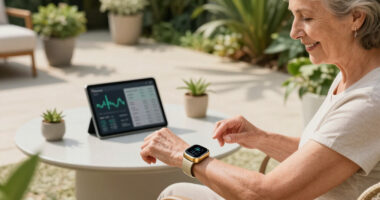
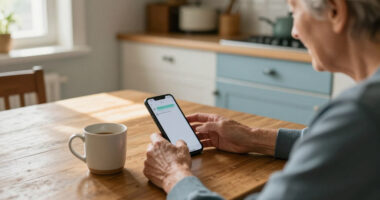
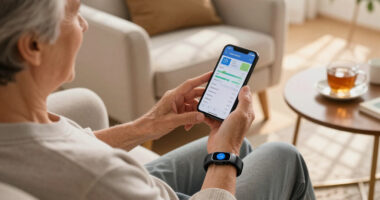
Remote monitoring allows you to track crucial signs like heart rate, blood pressure, and oxygen levels in real-time, giving you instant alerts if something’s off. This technology uses wearable sensors, implantable devices, or remote cameras to provide continuous oversight without physical presence. It’s especially helpful for managing health or operational processes efficiently and securely. If you’d like to learn more about how these systems keep you informed and safe, keep exploring the details.

Get comfort and care essentials delivered free — and shop member deals
- Fast, free delivery on millions of items
- Access to Prime Big Deal Days deals on October 6–7
- Prime Video, Amazon Music and more included
Key Takeaways
- Remote monitoring enables real-time tracking of vital signs like heart rate, blood pressure, and oxygen levels remotely.
- Automated alert systems notify users or healthcare providers immediately when vital signs deviate from safe ranges.
- Data is securely transmitted and stored using encryption and access controls to protect patient privacy.
- Continuous data analysis via cloud platforms supports early detection of health issues and prevents emergencies.
- Advances like smarter sensors and AI enhance alert accuracy and predictive capabilities for better health management.

Remote monitoring is transforming how businesses and individuals oversee operations and health from a distance. As you utilize these technologies, you’re empowered to keep a close eye on vital signs and receive instant alerts, all without being physically present. This shift offers tremendous convenience, especially for managing chronic conditions or overseeing critical processes in real time. However, as you adopt remote monitoring solutions, you need to prioritize patient data security. Protecting sensitive health information is essential to maintain trust and comply with regulations like HIPAA. Robust encryption, secure data storage, and strict access controls become your first line of defense against breaches. With advancements in monitoring device innovations, you now have access to smaller, smarter, and more accurate tools that seamlessly connect to your systems. These innovations include wearable sensors, implantable devices, and remote cameras, which continuously track vital signs such as heart rate, blood pressure, oxygen levels, and more. The latest devices are designed to be unobtrusive, ensuring that users feel comfortable while providing reliable, real-time data. Integration with cloud-based platforms enables you to instantly analyze incoming data and spot anomalies early. When a vital sign deviates from the norm, automated alerts are triggered, notifying you or healthcare providers immediately. This rapid response capability is essential for preventing emergencies or managing ongoing health issues effectively. Furthermore, these devices often come with user-friendly interfaces, making it easier for you to interpret data and make informed decisions quickly. The innovations also include improved battery life, enhanced connectivity options like 5G, and increased durability for everyday use. As a result, remote monitoring becomes more accessible and reliable, reducing the need for frequent in-person visits. You gain peace of mind knowing that continuous oversight is happening in the background, whether you’re at home, at work, or on the go. The combination of cutting-edge device innovations and stringent data security measures ensures that your information remains private while you benefit from timely, actionable insights. As technology evolves, expect even smarter sensors and more sophisticated alert systems that can predict issues before they escalate. AI Security advancements are also influencing remote monitoring by enabling smarter anomaly detection and proactive threat mitigation. In this landscape, your role is to stay informed about device capabilities and security protocols, ensuring that your remote monitoring setup remains both effective and safe. Ultimately, these advances help you maintain better health and operational oversight, providing a new level of convenience and security that was unimaginable just a few years ago.
wearable heart rate monitor with alerts
As an affiliate, we earn on qualifying purchases.
As an affiliate, we earn on qualifying purchases.
Frequently Asked Questions
How Secure Is Patient Data in Remote Monitoring Systems?
You can trust that patient data in remote monitoring systems is quite secure, thanks to strong data encryption that protects sensitive information during transmission and storage. These systems also prioritize patient privacy by following strict regulations and implementing access controls. While no system is entirely risk-free, continuous updates and security measures help safeguard your data, giving you confidence in the privacy and security of your personal health information.
Can Remote Monitoring Detect All Medical Emergencies Instantly?
Think of remote monitoring as a vigilant lighthouse, constantly shining to spot storms ahead. While it can detect many emergencies, it doesn’t catch everything instantly. Sometimes, false alarms flare up, like misleading signals, but real-time alerts help you respond swiftly. You won’t get instant alerts for every emergency, but the system’s continuous watch minimizes risks, guiding you through potential crises with timely notifications.
What Devices Are Compatible With Existing Hospital Systems?
You can guarantee integrated device compatibility and system interoperability by choosing remote monitoring devices that support industry standards like HL7 or FHIR. Many modern devices are designed to seamlessly integrate with existing hospital systems, allowing smooth data exchange and real-time updates. Before purchasing, verify the device’s compatibility with your hospital’s electronic health record (EHR) platform and confirm it meets your system’s technical requirements to ensure effective integration.
How Often Do Remote Vitals Need to Be Checked?
Research suggests that the frequency of checks depends on the patient’s condition. For stable patients, monitoring intervals can be every 4 to 6 hours, while critical patients may require continuous monitoring. You should follow your healthcare provider’s guidelines, adjusting the frequency based on essential signs and medical advice. Regular checks guarantee timely alerts for any changes, helping you respond swiftly and keep your patients safe.
Are There Any Legal Restrictions on Remote Health Monitoring?
You should be aware that legal regulations govern remote health monitoring, which vary by region. Privacy concerns are a key focus; laws often require secure data handling and patient consent. You must comply with these regulations to protect patient information and avoid legal issues. Always stay updated on local laws and best practices, ensuring your remote monitoring practices respect patient privacy and adhere to legal standards.
Conclusion
Remote monitoring transforms healthcare by providing real-time vitals and instant alerts, keeping you connected to your health anytime, anywhere. Did you know that remote monitoring can reduce hospital readmissions by up to 25%? This technology empowers you to catch potential issues early and stay proactive about your well-being. As it continues to evolve, you’ll enjoy more personalized care and greater peace of mind, making health management more convenient and effective than ever before.
Halloween Picks
halloween
As an affiliate, we earn on qualifying purchases.