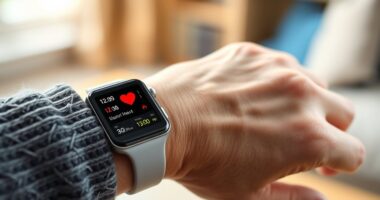
Personal Emergency Response Systems (PERS) are devices designed to help you get immediate assistance during emergencies like falls or medical issues. They often include features like fall detection, GPS location tracking, and two-way voice communication with trained operators. Modern systems connect via cellular networks, offering safety and independence wherever you go. Their smart technology and safety features keep you protected, giving you confidence to live your life fully. Keep exploring to discover how these systems can best serve your needs.
Key Takeaways
- PERS devices are designed to provide quick assistance during emergencies like falls or medical issues.
- They feature fall detection, two-way voice communication, GPS tracking, and customizable alerts for safety.
- Modern PERS integrate with smartphones, home automation, and use cellular networks for mobility.
- AI technology enhances safety with smarter detection and proactive incident prevention.
- These systems support independence, peace of mind, and reliable emergency response for users of all ages.
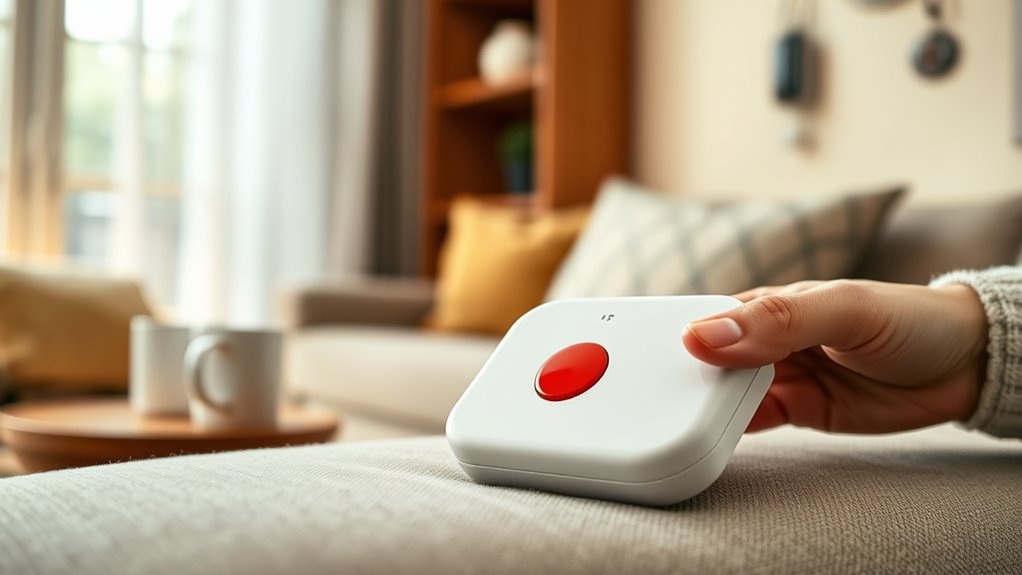
Personal Emergency Response Systems (PERS) are devices designed to quickly connect you with help in urgent situations, such as falls or medical emergencies. These systems have evolved considerably over the years, with modern features that prioritize both convenience and safety. One of the key advancements is technology integration, which allows your PERS to seamlessly connect with other devices or systems, such as smartphones, medical alert platforms, or home automation tools. This integration guarantees that help can be dispatched promptly, whether you’re at home, outside, or even traveling. Many systems now use cellular networks instead of landlines, so you’re not confined to a fixed location, giving you the freedom to move around confidently.
User safety features are at the core of effective PERS devices. These features are designed to prevent accidental activations, protect your privacy, and confirm that help arrives quickly. For instance, many systems include fall detection technology that automatically alerts emergency services if you experience a fall and are unable to press the help button. This means you don’t have to worry about manually triggering the device during a serious incident. Additionally, two-way voice communication is commonly built in, allowing you to speak directly with a trained operator who can assess your situation and send the appropriate assistance. This immediate communication can be essential in calming you down and providing crucial information to emergency responders.
User safety is further enhanced through customizable alerts and geo-location services. With GPS or Wi-Fi positioning, your system can pinpoint your exact location, even if you’re away from home. This feature is especially beneficial when you’re outdoors or in unfamiliar settings. Some devices also come with long-lasting batteries and waterproof designs, guaranteeing they work when you need them most and can withstand everyday wear and tear. Moreover, easy-to-use interfaces and adjustable alert settings make it simple for users of all ages and tech skills to operate the system confidently.
Recent advancements in AI Security are also influencing the development of PERS by enabling smarter detection and response capabilities, further increasing safety and reliability.
Ultimately, the combination of technology integration and user safety features makes modern PERS devices dependable and user-friendly. They’re no longer just emergency buttons but comprehensive safety tools that adapt to your lifestyle. Whether you’re managing health concerns, living alone, or simply want peace of mind, these systems provide a fundamental safety net. By staying connected through the latest tech and safety innovations, you can enjoy greater independence without compromising your security.

Medical Alert System for Seniors – Advanced Mini Device with Automatic Fall Detection, 24/7 Monitoring, GPS Tracking, Emergency Alert Pendant Necklace, SOS Button, Caregiver App, Waterproof, Rose Gold
EASY ACTIVATION + MONTHLY SUBSCRIPTION: Elevate your safety and security with our straightforward medical alert pendants. For just…
As an affiliate, we earn on qualifying purchases.
As an affiliate, we earn on qualifying purchases.
Frequently Asked Questions
What Is the Typical Installation Process for a PERS?
You start by choosing a provider and scheduling a device setup. A technician visit is arranged, during which they install the device, ensuring it’s properly connected and tested. The technician also shows you how to use it and explains any features. Once everything is set up and working, you receive instructions on maintaining the system. This process guarantees your PERS is ready to provide quick help whenever needed.
How Much Does a Personal Emergency Response System Cost Monthly?
You can expect to pay between $20 and $60 monthly for a personal emergency response system, but costs vary depending on the service plan and features. Service plans differ regarding monitoring, emergency response, and additional services, which impact the overall price. Be sure to compare different providers, understand their cost variability, and choose a plan that fits your needs and budget for reliable emergency support.
Can PERS Be Used Outdoors or in the Yard?
Think of your yard as an extension of your home’s safety zone. Personal Emergency Response Systems can be used outdoors, providing outdoor safety and yard coverage. Many systems have waterproof or weather-resistant devices, ensuring they work in various outdoor conditions. You can confidently rely on your PERS to alert help quickly, whether you’re gardening, walking, or enjoying outdoor activities, keeping you safe and connected even outside your home.
Are There Any Ongoing Maintenance Requirements for PERS?
Yes, you need to perform ongoing maintenance on your PERS. Regularly check the battery to make sure it’s charged and replace it if needed. Additionally, keep your system’s software updated to maintain functionality and security. Test the device periodically to confirm it’s working properly. By staying proactive with battery checks and software updates, you ensure your PERS remains reliable whenever you need it most.
How Reliable Are the Communication Signals in Rural Areas?
In rural areas, the reliability of communication signals can vary greatly, with some regions experiencing up to 20% weaker signal strength. This means your coverage areas might be limited or inconsistent, making it harder to get help quickly. Factors like terrain and distance from towers impact signal quality. To stay safe, check your system’s coverage areas and consider options like signal boosters for better connectivity in remote locations.

Seculife Smartwatch: Medical Alert Bracelet with GPS Tracker, Fall Detection Smart Watch, 2 Way Calling, SOS Button, Medical Watch, Emergency Device for Seniors, Life Alert System, Elderly Monitoring
🆘 𝐅𝐚𝐥𝐥 𝐃𝐞𝐭𝐞𝐜𝐭𝐢𝐨𝐧, 𝐒𝐎𝐒 𝐯𝐨𝐢𝐜𝐞 𝐜𝐚𝐥𝐥𝐬 𝐟𝐨𝐫 𝐒𝐞𝐧𝐢𝐨𝐫𝐬: When the smartwatch detects a fall or the heart button…
As an affiliate, we earn on qualifying purchases.
As an affiliate, we earn on qualifying purchases.
Conclusion
So, next time you hear that gentle beep or see the small device around your neck, remember it’s not just technology—it’s a lifeline. Like finding a forgotten key just when you need it most, your emergency response system could be the coincidence that keeps you safe when it matters most. Embrace it, trust it, and let it be the quiet guardian in your everyday life, ready to step in just when you need it.

Wireless Caregiver Pager with Voice Call Function (Need SIM Card), Medical Alert System for Seniors, Two-Way Calling & Voice Recognition and Emergency Pull Cord for Elderly/Patient/Disabled Monitoring
【Voice Call Function】Simply designate your trusted circle (up to 3 contacts) beforehand. In an emergency, trigger a direct…
As an affiliate, we earn on qualifying purchases.
As an affiliate, we earn on qualifying purchases.

Safety+ 4G Medical Alert System: Fall Detection, GPS Location, 24/7 Monitoring, Mobile Caregiver App, Small, Lightweight-Call to Activate Wireless Call Button, Personal Safety, Wearable Panic Button
INCLUDES 1st MONTH + EASY ACTIVATION: Kickstart your Safety+ journey with a simple activation call before use. Get…
As an affiliate, we earn on qualifying purchases.
As an affiliate, we earn on qualifying purchases.