
TL;DR

Turn quiet afternoons into listening time
- Thousands of audiobooks, podcasts and originals
- Listen on your phone, tablet or Echo — also offline
- Cancel anytime
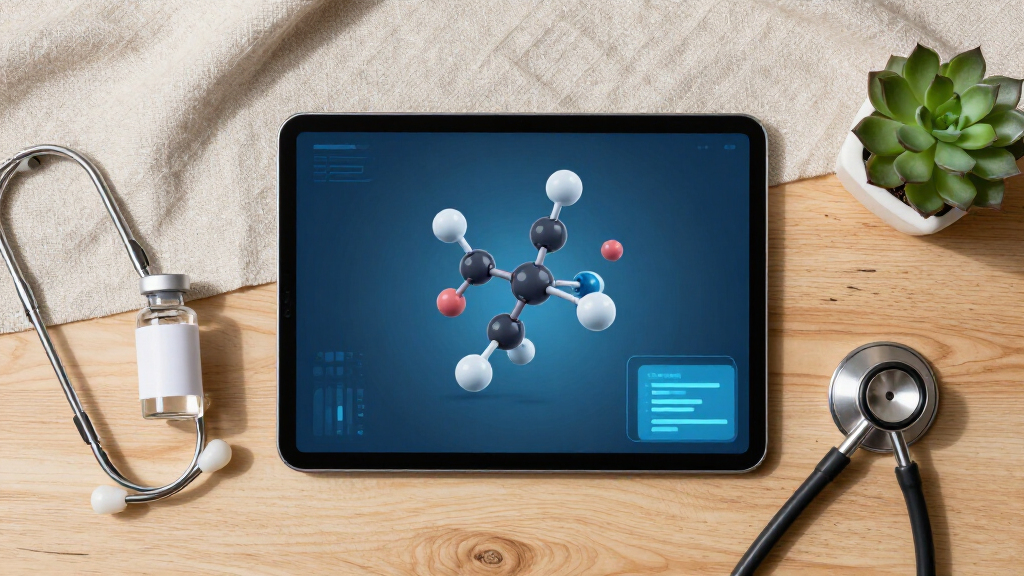
AI is increasingly integrated into drug discovery processes, showing promising results in identifying potential compounds. While significant progress has been made, challenges remain in validation, regulation, and scaling. The future of AI-driven drug discovery depends on technological, regulatory, and collaborative advancements.
Artificial intelligence is now a key tool in drug discovery, with several AI-driven platforms successfully identifying promising drug candidates. Experts say these advances could accelerate development timelines and reduce costs, marking a significant shift in pharmaceutical research.
Recent collaborations between biotech firms and AI companies demonstrate the increasing reliance on machine learning algorithms to predict molecular interactions and identify potential therapeutic compounds. Notably, companies like Atomwise and Insilico Medicine have reported successes in screening vast chemical libraries faster than traditional methods.
However, widespread clinical adoption remains limited, as regulatory frameworks and validation processes for AI-generated drug candidates are still evolving. Regulatory agencies like the FDA are beginning to develop guidelines for AI use in drug development, but clear standards are not yet fully established.
Implications of AI for Drug Development Efficiency
This shift could dramatically reduce the time and costs associated with bringing new drugs to market. AI’s ability to analyze complex biological data and predict drug efficacy offers the potential to identify effective treatments more rapidly, especially in response to urgent health crises like pandemics. However, the reliance on AI also raises questions about validation, safety, and regulatory approval, which are critical for clinical use and public trust.As an affiliate, we earn on qualifying purchases.
Recent Advances and Industry Adoption of AI in Pharma
Over the past few years, AI has transitioned from experimental to increasingly integral in drug discovery. Major pharma companies have invested heavily in AI startups and in-house AI capabilities. For example, in 2022, the FDA began exploring regulatory pathways for AI-based drug development tools, signaling official recognition of AI’s potential. Despite these advances, challenges such as data quality, algorithm transparency, and validation remain barriers to full integration.Key Challenges and Unanswered Questions in AI Drug Discovery
It is not yet clear how quickly regulatory agencies will establish comprehensive guidelines for AI-generated drug candidates. Additionally, questions remain about the reliability of AI predictions across diverse biological systems and the long-term safety of AI-designed drugs. The scalability of AI solutions for widespread clinical use is also still under assessment.
Next Steps Toward Broader Adoption and Validation
Regulatory bodies are expected to release more detailed guidelines in the coming years, which will influence industry practices. Concurrently, ongoing clinical trials involving AI-identified compounds will provide data on safety and efficacy, informing future approval processes. Increased collaboration between regulators, industry, and academia will be crucial to accelerate safe integration of AI in drug discovery.
Key Questions
How is AI currently used in drug discovery?
AI is used to analyze biological data, predict molecular interactions, and identify promising drug candidates faster than traditional methods, often through machine learning algorithms applied to chemical libraries and biological datasets.
What are the main challenges facing AI in drug discovery?
Challenges include validating AI predictions, establishing regulatory standards, ensuring data quality, and scaling solutions for widespread clinical use.
Will AI replace traditional drug discovery methods?
AI is expected to complement, not replace, traditional methods, helping to accelerate discovery and improve accuracy while requiring validation and regulatory approval.
When might AI-driven drugs become widely available?
Widespread availability depends on regulatory approvals and validation data, which could take several years as the industry and regulators adapt to new technologies.
Source: hn
Cold & flu season Picks
humidifiers
As an affiliate, we earn on qualifying purchases.