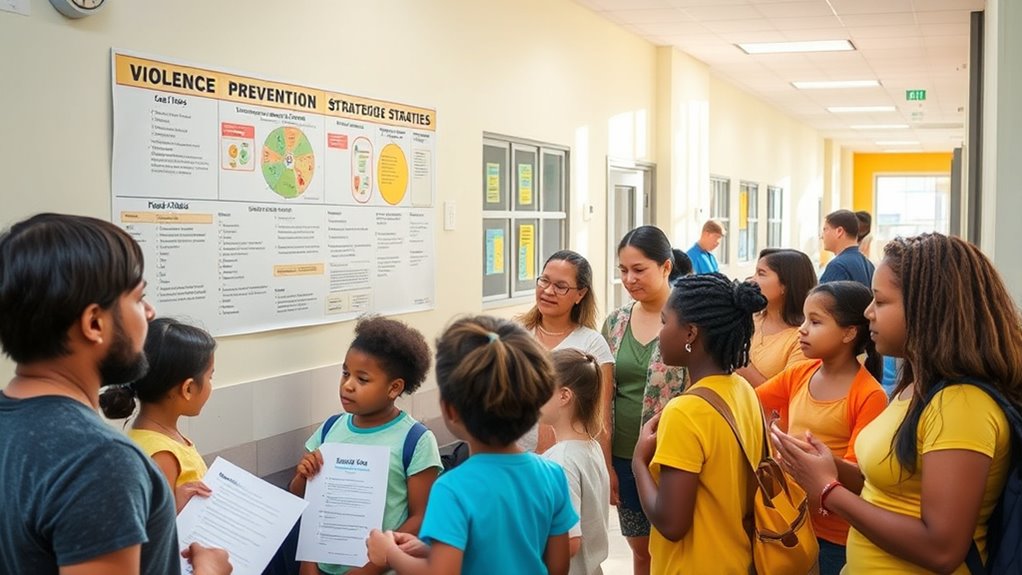

To develop effective violence prevention and safety plans, start with a thorough risk assessment to identify potential threats and vulnerable areas. Engage your community to gather diverse insights, foster trust, and build support for safety measures. Collaborate with local stakeholders to create tailored strategies that address specific risks. By combining proactive assessment with community involvement, you’ll strengthen your response efforts and create a safer environment. Keep exploring to learn more about building resilient safety plans.
Key Takeaways
- Conduct thorough risk assessments to identify potential threats, vulnerable areas, and recent incident patterns.
- Engage community members and stakeholders to develop realistic, culturally sensitive safety strategies.
- Prioritize early intervention by gathering critical information and understanding specific danger factors.
- Foster open communication, collaboration, and shared responsibility to strengthen safety measures and response capacity.
- Continuously evaluate and adapt safety plans based on risk analysis and community feedback for sustainable violence prevention.
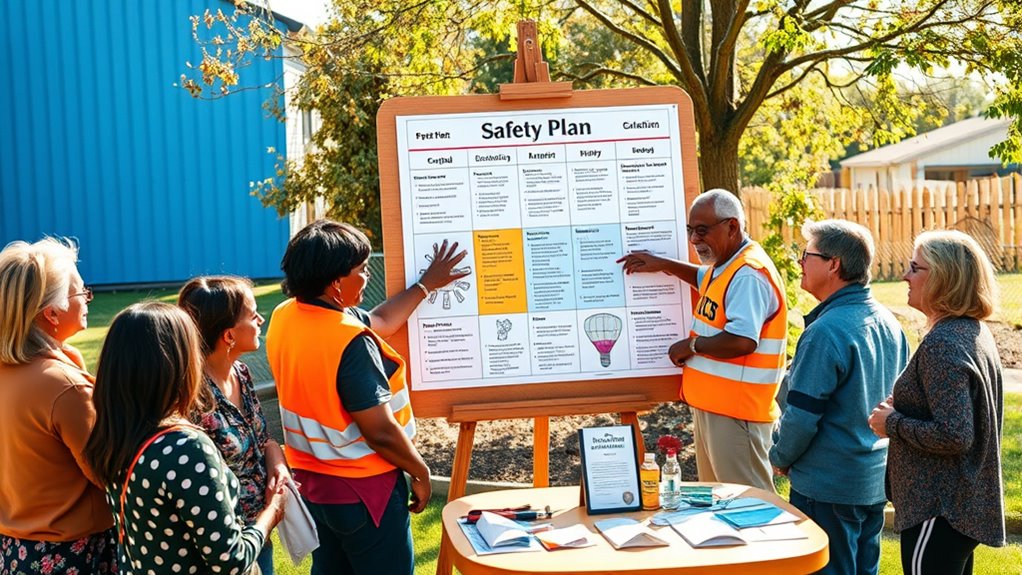
Creating effective violence prevention and safety plans is essential for protecting yourself and others in high-risk situations. One of the first steps you need to take is conducting a thorough risk assessment. This involves identifying potential sources of violence, understanding the specific circumstances that could lead to harm, and pinpointing vulnerable areas or populations. When you perform a risk assessment, you’re gathering critical information that helps you prioritize your safety measures. For example, you might analyze the physical environment, assess the behavior patterns of those involved, and consider any recent incidents that could signal a heightened threat. This process isn’t just about spotting danger; it’s about understanding it deeply so you can develop targeted strategies that minimize risks. Remember, being proactive in this phase allows you to anticipate problems before they escalate, saving lives and reducing damage. Incorporating community resilience into your planning can significantly enhance your capacity to respond effectively during crises. Community engagement plays a vital role in creating effective safety plans. You can’t develop a comprehensive approach in isolation, so involving those around you ensures your plan is realistic and widely supported. Reach out to community members, local organizations, and stakeholders who understand the unique challenges your environment faces. By fostering open communication, you encourage collective responsibility and build trust, which is crucial when implementing safety measures. When community members participate in planning, they often share insights about potential trouble spots or overlooked vulnerabilities that you might miss on your own. This collaborative effort also enhances coordination during emergencies, increasing the overall effectiveness of your safety plan. Engaging with your community helps you create a network of allies who are committed to maintaining a safe environment, making it easier to respond swiftly and effectively if violence occurs. Additionally, involving community members ensures your safety plan is culturally sensitive and tailored to local needs. It’s important to listen actively, acknowledge different perspectives, and incorporate feedback into your plan. This inclusivity not only strengthens your safety measures but also fosters a sense of shared responsibility. When people feel invested in safety initiatives, they’re more likely to follow protocols, report suspicious activity, and support one another. Remember, violence prevention isn’t just about reacting to threats; it’s about creating a resilient community that works together to prevent violence before it happens. By combining diligent risk assessment with genuine community engagement, you lay a solid foundation for a safety plan that’s both effective and sustainable, giving you peace of mind and a safer environment for everyone involved.

Store Accident Report Book: Record Incidents for Health and Safety and Insurance Purposes involving Staff, Guests, Customers or the General Public
As an affiliate, we earn on qualifying purchases.
As an affiliate, we earn on qualifying purchases.
Frequently Asked Questions
How Do Safety Plans Adapt to Different Types of Violence?
You adapt safety plans to different types of violence by conducting thorough risk assessments that identify specific threats and vulnerabilities. You also consider cultural considerations to guarantee the plan respects individual backgrounds and community norms. This approach helps tailor strategies, addressing unique circumstances like domestic violence, community conflicts, or workplace violence, making the safety plan more effective and relevant for each situation.
What Role Does Community Involvement Play in Safety Planning?
Community involvement is vital in safety planning because it fosters neighborhood collaboration and guarantees plans are tailored to local needs. When you engage community members, you create a sense of ownership and trust, making safety initiatives more effective. Your active participation helps identify specific risks and resources, leading to stronger, more responsive safety strategies. So, by encouraging community engagement, you strengthen the overall safety network and promote a safer environment for everyone.
How Can Technology Enhance Violence Prevention Strategies?
You can enhance violence prevention strategies by leveraging technology like digital surveillance and mobile applications. Digital surveillance helps monitor high-risk areas, providing real-time data that can prevent incidents before they escalate. Mobile apps enable quick reporting of concerns, connecting you directly to authorities or support services. Together, these tools empower you to stay informed, act swiftly, and foster a safer environment for everyone involved.
What Are Common Barriers to Implementing Safety Plans Effectively?
You may face barriers like limited stakeholder collaboration and resource allocation issues that hinder effective safety plan implementation. Without strong partnerships, it’s hard to develop thorough solutions, and insufficient resources can delay or weaken safety measures. To overcome these challenges, you need to foster stakeholder collaboration and guarantee proper resource allocation, which will help create more effective, sustainable safety plans that better protect everyone involved.
How Is Success Measured in Violence Prevention Programs?
You measure success in violence prevention programs through evaluation metrics like reduced incident rates, improved safety perceptions, and increased community engagement. Success indicators include fewer violence-related injuries, higher participation in safety initiatives, and positive feedback from stakeholders. By regularly monitoring these metrics, you can determine whether the program effectively reduces violence and enhances safety, allowing adjustments to improve outcomes and guarantee long-term community well-being.

Emergency Preparedness for Apartment Communities – THE WORKBOOK: A Neighborhood Disaster Survival Guide (Survival Guide Series)
As an affiliate, we earn on qualifying purchases.
As an affiliate, we earn on qualifying purchases.
Conclusion
Think of your safety plan as a sturdy bridge, spanning chaos to calm. When you act with awareness and preparation, you build a path through the storm, guiding you safely to brighter days. Each step you take is like placing a brick of resilience, supporting your journey. Remember, your vigilance is the lighthouse illuminating the way in darkness. With this plan, you hold the keys to transforming threats into opportunities for peace and protection.

Domestic Violence Safety Plan Workbook: A Comprehensive Guide That Can Help Keep You Safer Whether You Stay or Leave
As an affiliate, we earn on qualifying purchases.
As an affiliate, we earn on qualifying purchases.

Guardian Equipment AP250-005 Emergency Shower Test Chute Kit with Pail
Easy to use
As an affiliate, we earn on qualifying purchases.
As an affiliate, we earn on qualifying purchases.