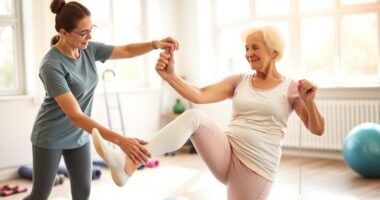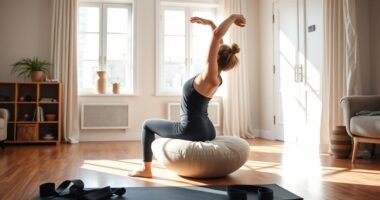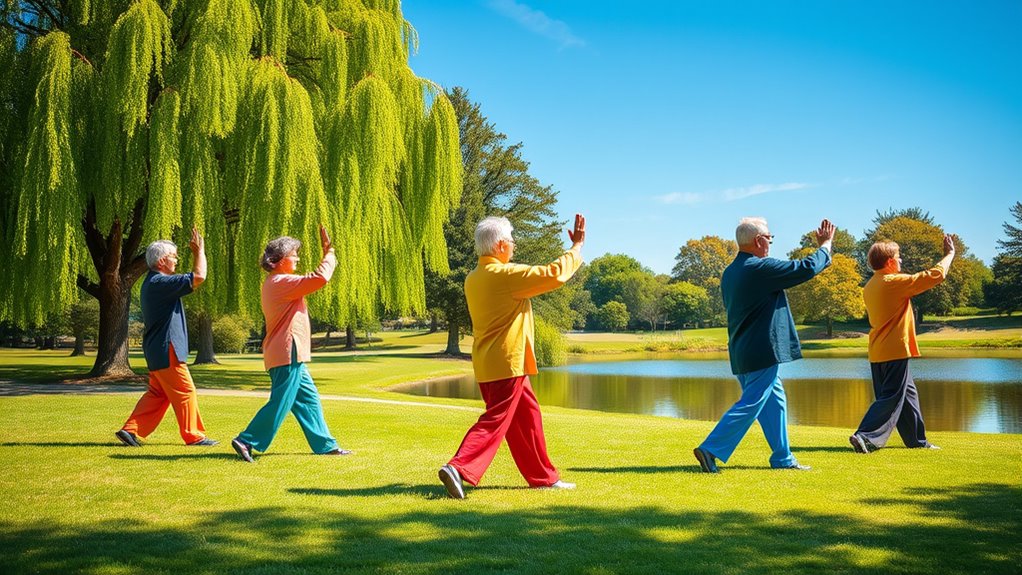

Practicing Tai Chi can help you improve your balance, reduce the risk of falls, and maintain your independence as you age. It combines gentle movements with mindful breathing and focus, which strengthens your physical stability and mental clarity. By increasing awareness of your body’s shifts and posture, Tai Chi encourages safe, deliberate movements. If you keep exploring, you’ll discover how these techniques work together to support your overall well-being and confidence.
Key Takeaways
- Tai Chi improves balance by integrating gentle movements with focused breathing, enhancing stability in older adults.
- Regular practice cultivates mindfulness, increasing awareness of body posture and weight shifts to prevent falls.
- Combining breathing techniques with Tai Chi strengthens core muscles and promotes calmness, supporting overall physical stability.
- Tai Chi enhances proprioception and spatial awareness, helping older adults maintain better control and coordination.
- The holistic approach of Tai Chi boosts confidence and reduces fear of falling, encouraging ongoing engagement in physical activity.
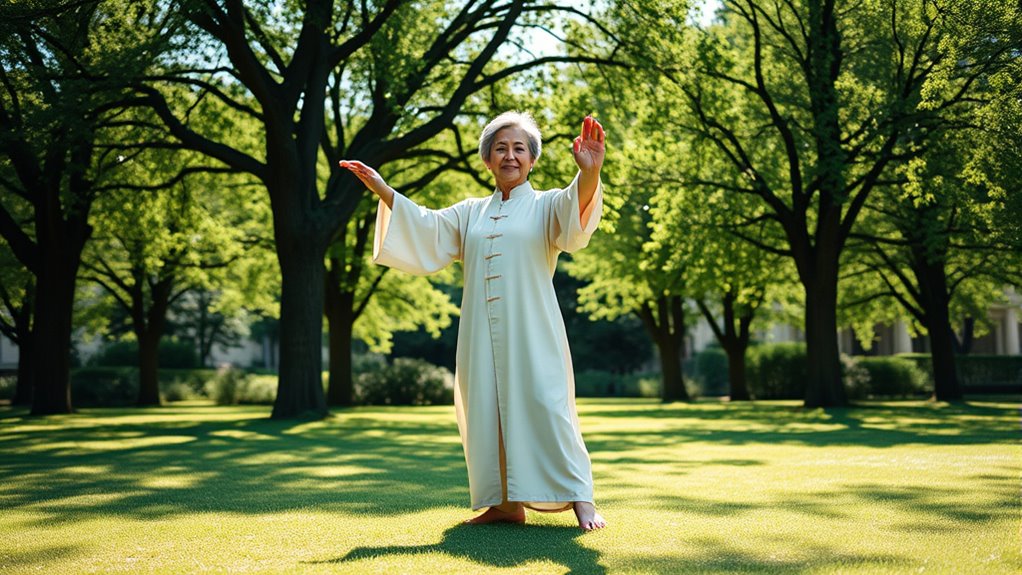
As we age, maintaining good balance becomes increasingly important to prevent falls and stay independent. One effective way to improve your balance is through practices like Tai Chi, which combines gentle movements with focused breathing and mindfulness. This holistic approach not only enhances physical stability but also promotes mental clarity, making it easier to stay centered in daily life.
Breathing techniques play a crucial role in Tai Chi, helping you cultivate calmness and focus. As you move through each posture, paying attention to your breath allows you to stay present and grounded. Deep, slow breaths activate your parasympathetic nervous system, reducing stress and increasing your body’s awareness of its own balance. When you synchronize your breathing with your movements, you create a rhythm that stabilizes your core and improves coordination. Over time, these breathing techniques become second nature, helping you maintain better posture and reduce dizziness or imbalance caused by anxiety or fatigue.
Deep, slow breaths in Tai Chi enhance balance, reduce stress, and promote calm focus.
Incorporating mindfulness practices into your Tai Chi routine further enhances your ability to stay balanced. Mindfulness encourages you to pay close attention to your body’s sensations, movements, and surroundings without judgment. As you practice, you learn to notice subtle shifts in your weight distribution and postural alignment. This heightened awareness helps you correct imbalances promptly, preventing falls before they happen. Mindfulness also fosters a sense of calm and patience, which can lessen fear of falling—a common obstacle that hampers balance in older adults. When you’re mindful during practice, you develop a deeper connection between your mind and body, enabling you to respond more effectively to real-life situations that challenge your stability.
Combining breathing techniques with mindfulness practices creates a powerful synergy that amplifies your balance training. It encourages you to stay present during each movement, making your exercises more effective. Instead of rushing through motions, you learn to move deliberately, feeling every shift and adjustment. This mindful approach enhances proprioception—the sense of where your body is in space—making you more aware of subtle imbalances before they become problematic.
Ultimately, integrating breathing techniques and mindfulness practices into your Tai Chi routine can lead to noticeable improvements in balance and confidence. You’ll find yourself more grounded, less anxious about falling, and better equipped to handle everyday activities. As you cultivate this mindful awareness, you not only strengthen your body but also nurture a calm, focused mind—both essential for maintaining independence and enjoying life to the fullest.
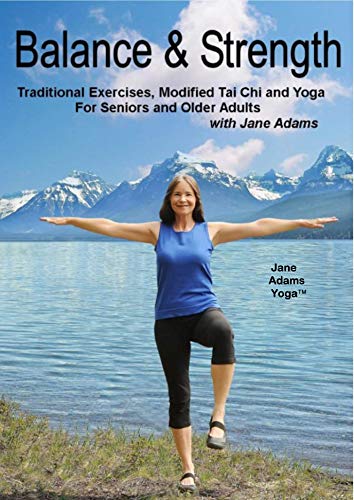
Balance & Strength Exercises for Seniors: 9 Practices, with Traditional Exercises, Tai Chi, Yoga & Dance Based Movements.
9 completely different practices, each 8 – 31 minutes long. A great value, providing over 3 hours worth…
As an affiliate, we earn on qualifying purchases.
As an affiliate, we earn on qualifying purchases.
Frequently Asked Questions
Can Tai Chi Help Prevent Falls in Older Adults?
Yes, Tai Chi can help prevent falls in older adults. It enhances fall prevention by improving your balance, coordination, and muscle strength, making you more stable on your feet. Regular practice helps you develop better awareness of your body’s movements, reducing the risk of slips and trips. Incorporating Tai Chi into your routine can be a safe, effective way to maintain independence and stay less prone to falls.
How Often Should Older Adults Practice Tai Chi for Balance?
You should practice Tai Chi at least two to three times a week for maximum benefits. Aim for sessions lasting 30 to 60 minutes to improve balance effectively. Consistent practice increases strength, flexibility, and stability, reducing fall risk. Make it a regular part of your routine, and over time, you’ll notice better coordination and confidence in daily activities. Staying committed ensures you get the most out of your Tai Chi practice.
Are There Specific Tai Chi Styles Best for Improving Balance?
You should focus on styles like Yang, Chen, or Sun Tai Chi, which emphasize slow, controlled movements and balance exercises. These styles help improve stability and coordination, making them ideal for older adults. Practice these Tai Chi styles regularly, ideally several times a week, to enhance your balance and reduce fall risk. Consistency and proper technique are key to gaining the full benefits of each style.
Is Tai Chi Safe for Seniors With Mobility Issues?
Yes, tai chi is generally safe for seniors with mobility issues, especially when you use tai chi chair or tai chi modifications. These adaptations help you perform movements comfortably and reduce fall risks. Always consult your healthcare provider before starting, and work with a qualified instructor who can tailor exercises to your needs. With proper guidance, tai chi can improve your balance and strengthen your confidence safely.
What Equipment or Space Is Needed for Tai Chi Practice?
You only need a clear, spacious practice area to do Tai Chi safely, ideally a flat, non-slip surface. No special equipment is necessary, but wearing comfortable, loose clothing helps your movements. You can practice indoors or outdoors, as long as there’s enough room to move freely without obstacles. Just guarantee the space is quiet and free from distractions, so you can focus on your balance and breathing.

Non-Slip Wood Wobble Exercise Balance Board,up to 350 Ibs for Coordination Skills Obstacle Courses Sensory Toys for Kids and Adult,Professional Rocker Balance Board for Physical Therapy,Indoor or
BALANCE BOARD:17.5” L × 13.5″ W × 3” H; one-piece design comes fully assembled that supports the body’s…
As an affiliate, we earn on qualifying purchases.
As an affiliate, we earn on qualifying purchases.
Conclusion
Practicing Tai Chi can be a game-changer for your balance and overall well-being. It’s a gentle way to strengthen your muscles, improve coordination, and boost confidence on your feet. Don’t wait until you’re caught off guard—taking action now can keep you steady and safe. Remember, a stitch in time saves nine; starting Tai Chi today might just keep you from falling tomorrow. Take that first step toward better balance and a healthier life.
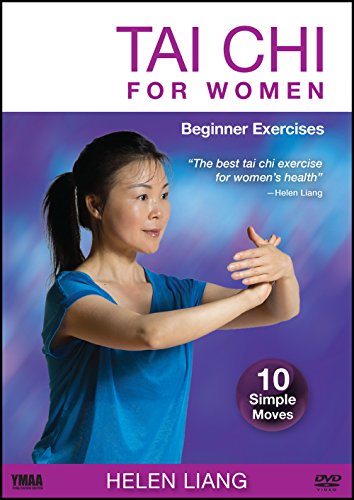
Tai Chi for Women Beginner Exercises with Master Helen Liang (YMAA) Tai Chi Dvd for Health, All Ages, Perfect for Seniors
Dvd plays worldwide / Region 0 / All Regions
As an affiliate, we earn on qualifying purchases.
As an affiliate, we earn on qualifying purchases.
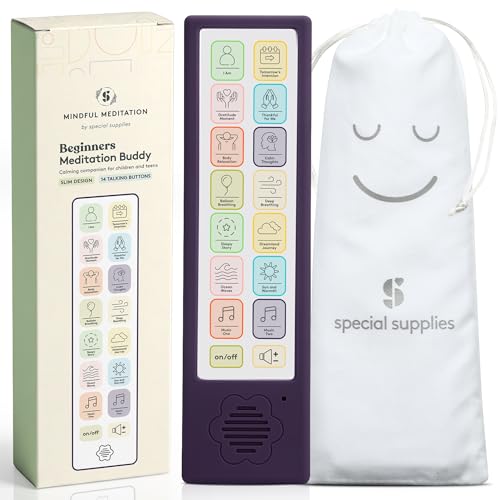
Special Supplies Meditation Buddy – Screen-Free Mindfulness & Breathing Device for Stress Relief, Daily Meditation, Anxiety Relief, Calm Focus & Emotional Balance for Kids and Adults (Kids)
Screen-Free Mindfulness Tool – Enjoy guided meditation, calm breathing, and daily mindfulness without apps, phones, or distractions. Perfect…
As an affiliate, we earn on qualifying purchases.
As an affiliate, we earn on qualifying purchases.