
To protect your back while caregiving, plan ahead by clearing the path and using assistive devices. Use proper techniques like bending your hips and knees, keeping your back straight, and engaging your core muscles. Maintain good posture by aligning your ears, shoulders, and hips, and avoid twisting. Remember to shift your stance and take breaks. Mastering these techniques will make your tasks safer and easier—keep going to learn how to put these tips into practice.
Key Takeaways
- Plan and clear the path before lifting to prevent accidents and ensure safety.
- Bend hips and knees, keep the back straight, and engage leg muscles when lifting or moving.
- Maintain a neutral spine, shoulders back, and avoid twisting during tasks.
- Use assistive devices and proper body mechanics consistently to reduce strain and injury risk.
- Take breaks, shift positions regularly, and practice good posture to protect your back long-term.

Caring for others often means performing physically demanding tasks that can take a toll on your back. Whether you’re lifting a patient, repositioning someone in bed, or assisting with transfers, it’s easy to feel the strain if you’re not using proper body mechanics. The key to protecting your back lies in mastering effective lifting techniques and practicing posture correction. When you focus on these areas, you reduce the risk of injury and ensure you’re able to provide care safely and sustainably.
Start by paying close attention to your lifting techniques. Always plan ahead before lifting or moving someone, ensuring the path is clear and you have enough space. Instead of bending at the waist, bend your hips and knees, keeping your back straight. This stance, often called the “power lift,” allows your legs—your strongest muscles—to do most of the work. Keep the person close to your body, reducing the leverage your back has to support. Avoid twisting your torso while lifting; instead, pivot your feet to turn in the direction you want to go. This minimizes strain and helps maintain balance. Using your legs rather than your back is essential; your legs are designed to handle heavy loads, so engage them fully during each lift. Additionally, understanding body mechanics can significantly improve your safety and efficiency during caregiving tasks.
Posture correction plays a crucial role in safeguarding your back during caregiving tasks. Maintain a neutral spine position—keep your back straight and shoulders back—whether you’re sitting, standing, or lifting. When working with a patient, avoid hunching over or leaning forward excessively. Instead, align your ears, shoulders, and hips to stay in a straight line, which distributes weight evenly and reduces stress on your spine. If you’re seated for extended periods, ensure your chair provides good lumbar support, and sit with your feet flat on the ground. Regularly shift your position and take brief breaks to stretch and relieve tension. Developing awareness of your posture throughout your shift helps prevent fatigue and discomfort, making your movements more efficient and less harmful.
Incorporate these practices into your routine consistently. Before each task, think about the correct posture and lifting techniques. Engage your core muscles to stabilize your spine, and avoid sudden or jerky movements. When possible, use assistive devices like transfer belts, slides, or lifts to reduce physical strain. Remember, caring for your back isn’t just about avoiding pain; it’s about ensuring you can continue providing quality care without risking injury. By adopting proper lifting techniques and practicing posture correction, you protect yourself and set a good example for those you care for. Your back will thank you for the effort, and you’ll find caregiving becomes safer, more manageable, and more sustainable over time.

Sotvacmit Liberty Lift Standing Aid for Elderly 450Lbs Weight Capacity Lift Assist Devices for Seniors (Black)
Safety and Stability: Liberty lift Injection molding, solid material, heavy weight, more stable when used, don't worry about…
As an affiliate, we earn on qualifying purchases.
As an affiliate, we earn on qualifying purchases.
Frequently Asked Questions
How Can Caregivers Prevent Long-Term Back Injuries?
To prevent long-term back injuries, you should focus on maintaining proper posture and making ergonomic adjustments. Keep your back straight, bend at your hips and knees instead of your waist, and avoid twisting your torso. Use supportive footwear and ensure your work environment is ergonomically friendly. These habits reduce strain, promote spinal health, and help you avoid injuries over time while caring for others.
What Are the Signs of Improper Lifting Techniques?
If you use improper lifting techniques, you’ll notice signs like poor posture, such as slouching or leaning forward, and sudden strains in your back or shoulders. You might feel sharp pain or discomfort during or after lifting. Also, you could experience persistent soreness, stiffness, or fatigue. These symptoms indicate you’re not lifting correctly, so it is crucial to adjust your posture and lift with your legs to prevent injury.
Are There Specific Exercises to Strengthen Back Muscles?
You can boost your back by blending balance-building core strengthening exercises with flexibility exercises. Try planks and bridges to target core muscles, which support your back, and incorporate gentle stretches like hamstring and hip flexor stretches to enhance flexibility. Regularly practicing these exercises helps prevent injuries, improves posture, and promotes strength, making lifting and caring activities safer and easier for you.
How Often Should Caregivers Take Breaks to Protect Their Back?
You should take rest breaks every 30 to 60 minutes during caregiving tasks to protect your back. Use this time for stretching routines that target your back, legs, and shoulders, helping to reduce stiffness and muscle strain. Incorporate quick movements like gentle bends or twists to keep your muscles flexible. Regular breaks and stretching routines are essential for maintaining good back health and preventing injuries during your caregiving duties.
Can Ergonomic Tools Make Caregiving Easier on the Back?
Ergonomic tools can totally transform your caregiving experience, making it feel like a breeze rather than a back-breaking chore. They’re designed to boost caregiver comfort by reducing strain and promoting proper posture. With the right ergonomic tools, you’ll find lifting, transferring, and maneuvering much easier, helping prevent injuries and fatigue. Investing in these tools isn’t just smart—it’s like giving your back a well-deserved vacation, every single day.

Lumbar Support Pillow for Office Chair, Office Home Essentials,Gifts for Mom,Dad, Back Support Pillow for Car, Chair Cushions,Back Pain Relief Improve Posture,Mesh Cover Double Adjustable Straps
For convenience and durability, we upgraded and lengthened the straps to fit more chairs instead of adding extra…
As an affiliate, we earn on qualifying purchases.
As an affiliate, we earn on qualifying purchases.
Conclusion
Remember, using proper body mechanics can protect your back and make caregiving easier. For example, imagine lifting a patient by keeping your back straight, bending at the hips and knees, and holding them close to your body. This way, you reduce strain and prevent injuries. By applying these techniques daily, you’ll stay healthier and more effective in your caregiving. Prioritize your back—it’s the foundation that lets you care for others safely and confidently.
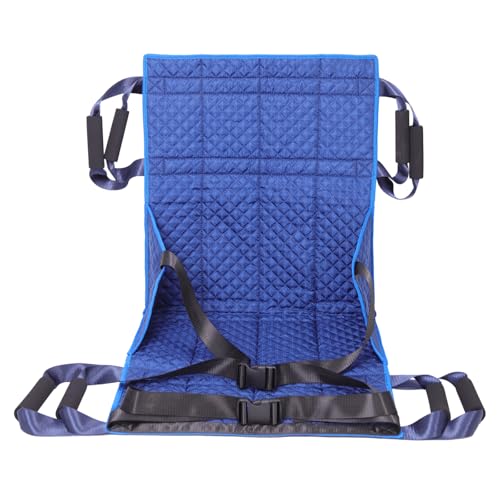
XAOMING Patient Lift Transfer Chair,Stair Lifts for Seniors,Emergency Evacuation Chair Pad,Stair Assist Slide Board Transferring for Disabled
【Usage Scenario】:Wheelchair handling mats are easy to use and are suitable for transfer a patients from a wheelchair…
As an affiliate, we earn on qualifying purchases.
As an affiliate, we earn on qualifying purchases.

FEATOL Back Brace Support Belt-Lumbar Support Back Brace for Back Pain, Sciatica, Scoliosis, Herniated Disc Adjustable Support Straps-Lower Back Brace with Removable Lumbar Pad for Men & Women
[CHOOSE YOUR SIZE] – Pay attention to measure your waist at the level of your navel, not your…
As an affiliate, we earn on qualifying purchases.
As an affiliate, we earn on qualifying purchases.