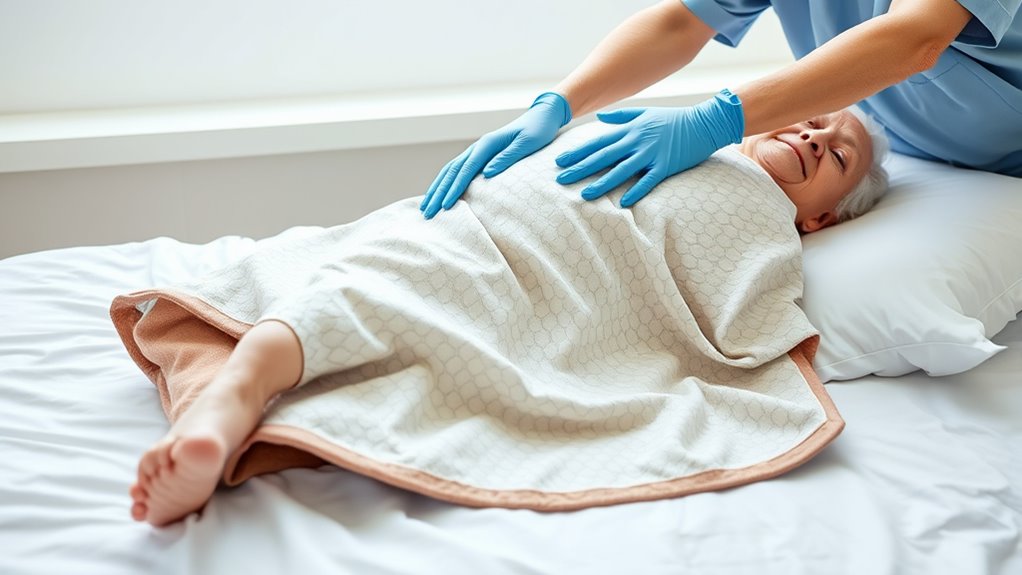

To turn and position in bed safely, use proper body mechanics and communicate clearly with your loved one. Assistive devices like slide sheets, bed rails, or transfer belts can make the process easier and safer. Encourage your loved one to engage their muscles and move gradually, supporting them gently. Always guarantee devices are secure and techniques are comfortable. Continuing your effort to understand these methods will help you master safe, independent bed mobility.
Key Takeaways
- Use proper body mechanics and gentle guidance to assist with turning and repositioning safely.
- Employ assistive devices like slide sheets and bed rails to support smooth, secure movements.
- Communicate clearly with the person, explaining each step to ensure cooperation and comfort.
- Encourage the use of muscles and proper techniques, such as bending knees and pushing off the bed.
- Regularly check device placement and securing to prevent falls and ensure safety during turning and positioning.

Bed mobility refers to your ability to move safely and independently in bed, such as turning, sitting up, or repositioning yourself. This skill is essential for comfort, hygiene, and preventing pressure sores. When you’re working on improving your bed mobility, assistive devices and caregiver techniques can make a significant difference. These tools and methods are designed to support your efforts, reduce strain, and promote safe movement.
Assistive devices like bed rails, transfer belts, and slide sheets are common tools that help you move more easily. Bed rails provide stability and prevent falls while you reposition yourself. Transfer belts, also called gait belts, give you or your caregiver a secure grip to assist with turning or sitting up. Slide sheets help you reposition in bed with minimal effort, reducing friction and shear forces that could harm your skin. These devices are especially helpful if you have limited strength or mobility, making it easier to change positions without risking injury. Incorporating proper load‑planning and understanding how to select the right assistive tools can further enhance safety and independence.
Assistive devices like bed rails, transfer belts, and slide sheets support safe, easier bed mobility and prevent injury.
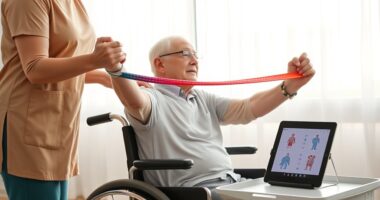
Caregiver techniques are also vital for safe and effective bed mobility. Proper body mechanics and gentle guidance ensure you stay comfortable and safe during movement. Caregivers are trained to use techniques such as guiding your hips or shoulders when turning or helping you sit up. They often encourage you to use your own strength as much as possible, promoting independence. For example, a caregiver might instruct you to bend your knees and push off the bed to help roll onto your side, or to use your arm to push yourself into a sitting position. These methods help you maintain muscle engagement and reduce the risk of falls.
Communication between you and your caregiver is crucial. Clear, calm instructions can boost your confidence and cooperation. Caregivers should always explain each step before assisting, ensuring you understand what’s happening and feel secure. They should also pay attention to your comfort level, adjusting their techniques to prevent pain or discomfort. When using assistive devices, proper placement and secure fastening are essential for safety. For instance, ensuring a slide sheet is smooth under you or that bed rails are firmly attached can prevent accidents.
Ultimately, the goal of effective bed mobility is to empower you to move safely and with as much independence as possible. Combining assistive devices with proper caregiver techniques creates a supportive environment, helping you turn and reposition with less effort and greater confidence. With consistent practice and the right tools, you can improve your ability to move comfortably and reduce the risk of injury in bed.

Bed Rails for Elderly Adults Safety – 2026 Upgrade – ASTM Compliant, Adjustable Bed Cane with Non-Slip Ergonomic Handle & Storage Pocket, Bed Railings for Seniors Load 400 LBS, Tool-Free Assembly
[Rock-Solid at 400 lbs: ASTM-Approved Safety Rail for Seniors] KingPavonini bed rails for elderly adult – safety you…
As an affiliate, we earn on qualifying purchases.
As an affiliate, we earn on qualifying purchases.
Frequently Asked Questions
How Often Should Bed Mobility Exercises Be Performed Daily?
You should perform bed mobility exercises about 3 to 4 times daily to maintain ideal flexibility and prevent bedsores. Incorporating these exercises into your daily routine helps you stay comfortable and reduces the risk of complications. Be consistent and listen to your body. If you experience pain or discomfort, adjust the frequency or consult your healthcare provider for personalized recommendations. Regular movement is key to staying healthy and mobile.
What Equipment Can Assist With Safe Turning and Positioning?
Think of your bed as a ship steering calm waters; assistive devices and positioning aids are your trusted anchors. You can use slide sheets, transfer belts, and bed rails to make turning and positioning safer and easier. These tools help maintain proper alignment, reduce strain, and prevent falls. Incorporating these assistive devices guarantees you stay comfortable and secure during bed mobility, guiding you smoothly through each movement.
How Do You Prevent Skin Breakdown During Bed Transfers?
To prevent skin breakdown during bed transfers, you should regularly reposition the person to avoid prolonged pressure on any area, which can cause pressure ulcers. Use proper body mechanics and transfer techniques to reduce shear and friction that compromise skin integrity. Additionally, make certain the skin is clean and dry, and utilize pressure-relieving devices when necessary. Maintaining good skin hygiene and monitoring for signs of redness or irritation helps preserve skin integrity.
When Should Professional Help Be Sought for Mobility Issues?
You should seek professional help when your mobility issues worsen despite your efforts or cause significant discomfort. Don’t wait until it becomes an emergency—schedule a professional assessment early. If you experience sudden pain, severe weakness, or difficulty moving, immediate emergency intervention is essential. Recognizing these signs ensures you get the right support promptly, preventing further complications and maintaining your safety and independence.
Are There Specific Techniques for Turning Patients With Spinal Injuries?
When turning patients with spinal injuries, you should use techniques that prioritize spinal stabilization and pain management. Always keep the patient’s head, neck, and spine aligned, and move them slowly to avoid discomfort. Use your body to support their back and hips, and communicate clearly. Avoid twisting or bending their spine. Proper positioning helps prevent further injury and reduces pain, making the process safer and more comfortable for the patient.

Vive Gait Belt (300lbs) Transfer Belt with Handles – Medical Nursing Safety Patient Assist – Bariatric, Elderly, Handicap, Physical Therapy – PT Gate Strap Quick Release Metal Buckle, Grabbing Teeth
EASY MOVEMENT & TRANSFERS FROM A TRUSTED BRAND: Safely assist patients or loved ones with ease using our…
As an affiliate, we earn on qualifying purchases.
As an affiliate, we earn on qualifying purchases.
Conclusion
Mastering bed mobility, like turning and positioning, might seem challenging at first, but with practice, it becomes second nature. Imagine effortlessly adjusting your position, avoiding discomfort and skin issues, just as you’d gently shift in your favorite chair. Don’t let worry hold you back—each small movement builds confidence and independence. Soon, you’ll find yourself moving smoothly and comfortably, turning challenges into routines that keep you safe and comfortable every day.

YHK Tubular Slide Sheet Transfer, Car Transfer Aid Easy Slide Sheet Positioning for Automotive Bed Flip Repositioning Home Care Assisted Mobility for Elderly Device (Blue, 28"x47")
Material: YHK's tubular slip sheet adopts ultra-low friction polyester fabric, the fabric is very soft, the patient contact…
As an affiliate, we earn on qualifying purchases.
As an affiliate, we earn on qualifying purchases.

Vive Bed Ladder Assist – Pull Up Assist Device with Handle Strap – Rope Ladder Caddie Helper – Sitting, Sit Up Hoist for Elderly, Senior, Injury Recovery Patient, Pregnant, Handicap – Padded Hand Grip
PERFECT SUPPORT FOR RECOVERY AND MOBILITY CHALLENGES: Thoughtfully designed for individuals recovering from surgery, managing spinal conditions, experiencing…
As an affiliate, we earn on qualifying purchases.
As an affiliate, we earn on qualifying purchases.