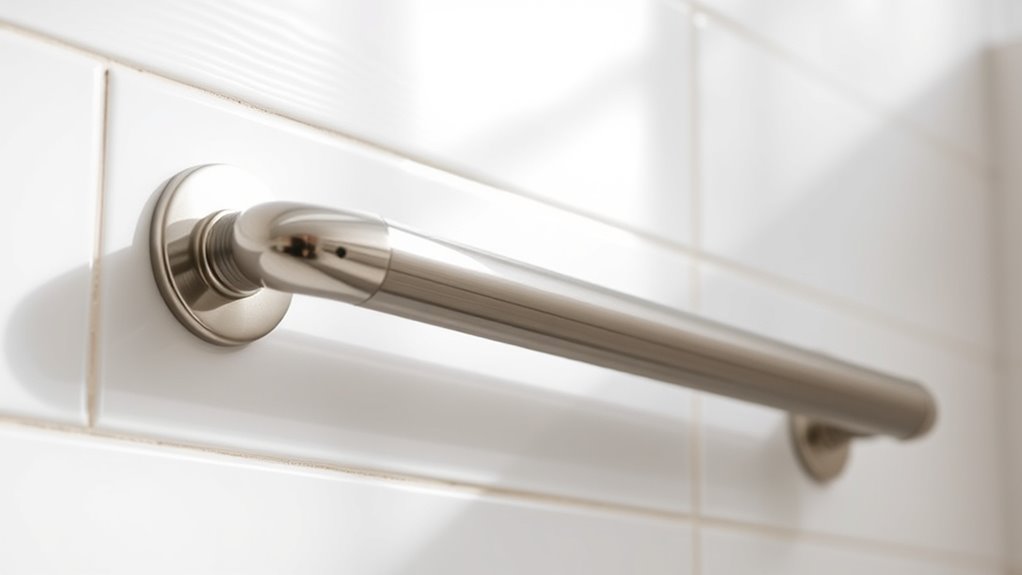

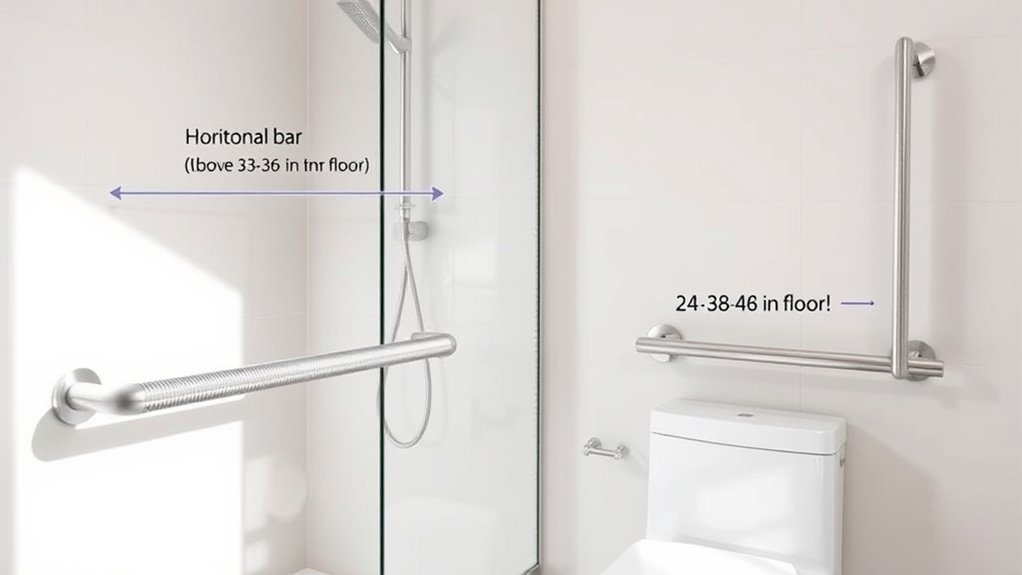
To maximize safety, position grab bars around 33 to 36 inches above the floor, securely anchored into wall studs or appropriate anchors. Place horizontal bars near the shower entrance or inside the shower, and vertical or diagonal bars beside the toilet for easy support when sitting or standing. Avoid obstructions and ensure grips are textured and accessible from different angles. Proper placement makes a big difference, and if you continue, you’ll discover how to optimize your bathroom layout even further.
Key Takeaways
- Install grab bars near the toilet, shower, and bathtub at 33–36 inches above the floor for optimal support.
- Secure grab bars into wall studs or use appropriate anchors to ensure they withstand weight and force.
- Position horizontal bars in showers for entry/exit and vertical or diagonal bars near toilets for sitting and standing support.
- Avoid obstructions by placing grab bars where they are easily accessible and do not interfere with fixtures or doors.
- Choose styles and finishes that match bathroom decor while maintaining safety, ease of grip, and proper placement for all users.
Have you ever considered how grab bars can enhance safety and independence in your bathroom? Proper placement is vital to maximize their effectiveness and guarantee you feel secure when moving around. When planning where to install grab bars, start by evaluating your specific needs and the bathroom layout. Think about the areas where you’re most likely to need support, such as near the toilet, inside the shower, or beside the bathtub. By focusing on these spots, you can create a safer environment tailored to your comfort.
Installation tips are essential for guaranteeing that grab bars serve their purpose effectively. First, make sure to attach them securely to wall studs or use appropriate anchors if installing into drywall. Wall studs provide the strongest support, so use a stud finder to locate them before drilling. Position the bars at a height that allows you to grip comfortably, usually about 33 to 36 inches above the floor. Keep in mind that the height should accommodate your reach and any mobility aids you use. For the shower area, install the grab bar horizontally along the wall, where you can hold onto it while entering or exiting. In the toilet area, a vertical or diagonal bar can provide additional support when sitting or standing. Remember, the bars should be easy to grasp, with a textured or non-slip surface, and should not be obstructed by fixtures or shelves. Additionally, proper installation ensures the grab bars maintain their strength and safety over time.
Design considerations also play a significant role in the placement process. You want your grab bars to blend seamlessly with your bathroom’s aesthetic while remaining functional. Choose styles and finishes that complement your decor, but don’t compromise on safety. Consider the size and weight capacity of the bars, especially if multiple users or individuals with significant mobility challenges will rely on them. The location should allow for easy access without creating clutter or obstacles. Think about the overall flow of the space—placing grab bars where they won’t interfere with doors, fixtures, or movement. Additionally, it’s wise to install a few bars at different heights or angles to support various movements, like sitting, standing, or balance adjustments.

TAILI Grab Bars for Bathtubs and Showers 2 Pack Suction Grab Bar, Heavy Duty Shower Handle Removable Bath Handrails for Seniors and Elderly, Bathroom Safety Grip No Drilling Waterproof,Grey
Matters need Attention: Only suitable for tiles measuring 4×4 inches or larger. For the safety of the seniors…
As an affiliate, we earn on qualifying purchases.
As an affiliate, we earn on qualifying purchases.
Frequently Asked Questions
What Materials Are Best for Grab Bars?
You should choose grab bars made from durable materials like stainless steel or aluminum, as they withstand moisture and daily use. These materials guarantee long-lasting performance and safety. Additionally, consider design styles that match your bathroom decor, such as brushed nickel or chrome finishes. By selecting sturdy, visually appealing materials, you’ll enhance both safety and aesthetics, making your bathroom safer and more stylish.
How Do I Maintain Grab Bars Over Time?
Oh, surely you thought grab bars would just take care of themselves, right? To keep them in top shape, follow simple maintenance tips like regular cleaning with mild soap and water, avoiding harsh chemicals. Check for loose fittings and tighten as needed. Use gentle cleaning strategies to prevent damage. By doing so, you’ll guarantee your grab bars stay sturdy and reliable, proving that even in maintenance, a little sophistication goes a long way.
Can Grab Bars Be Installed Outdoors?
Yes, you can install grab bars outdoors. Just make sure they’re designed for outdoor weather resistance and corrosion prevention. Use stainless steel or specially coated materials to withstand rain, humidity, and temperature changes. Proper installation is key to guarantee safety and durability. Regularly check for rust or damage, and clean them with mild soap and water. This way, your outdoor grab bars stay secure and functional over time.
Are There Design Options for Aesthetic Appeal?
Like a vintage radio, grab bars now combine function with style. You can choose from a variety of decorative finishes and color options to match your decor, making them blend seamlessly or stand out as a design feature. Modern options include sleek stainless steel, matte black, or even brass finishes. These aesthetic choices let you personalize your space without sacrificing safety, ensuring your grab bars enhance your bathroom’s look and feel.
How Do I Choose the Right Size for My Space?
You should measure your space carefully to choose the right size for your grab bar. Use a tape measure to determine the distance between mounting points and make certain there’s enough room for the bar to fit comfortably. For bar length selection, consider standard sizes like 18, 24, or 36 inches, but always prioritize fitting your specific space dimensions. Proper sizing ensures safety and ease of use.

Grab Bars for Shower, 2 Pack 16-Inch Anti Slip Shower Handles for Elderly, Safety Shower Grab Bar, Stainless Steel Handicap Grab Bars for Bathroom (Polished Nickel 1" Diameter)
Enhance Bathroom Safety: Shower grab bars for seniors enhance bathroom safety. For the elderly and those suffering with…
As an affiliate, we earn on qualifying purchases.
As an affiliate, we earn on qualifying purchases.
Conclusion
By following these grab bar placement guidelines, you’ll create a safer space that feels like a sturdy anchor during life’s rough waters. Think of them as your reliable lifelines, ready to catch you when you stumble. Proper placement isn’t just about compliance; it’s about building confidence and independence. With thoughtful positioning, you turn your bathroom into a sanctuary that supports you, making every visit safer and more comfortable—like having a trusted friend always nearby.
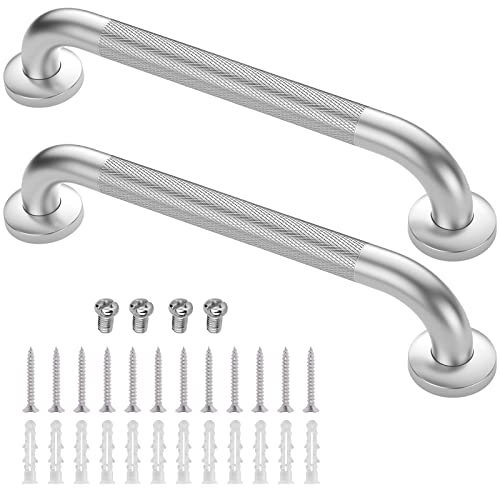
Grab Bars for Shower, 2 Pack 16 Inch Anti-Slip Safety Shower Handle for Senior, Stainless Steel Shower Grab Bars, Handicap Elderly Bathtub and Toilet Bathroom Assist
SUPERB MATERIAL: The shower grab bars for seniors is made of stainless steel which is waterproof, rustproof and…
As an affiliate, we earn on qualifying purchases.
As an affiliate, we earn on qualifying purchases.
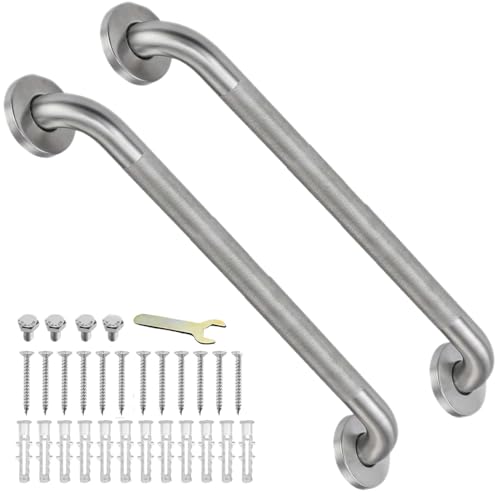
IJDD 24 Inch Shower Grab Bars for Seniors, 2 Pack Brushed Nickel Stainless Steel ADA Grab Bars with 1.25'' Diameter Anti-Slip Textured Surface, Shower Safety Hand Rails for Elderly Handicapped
Bathroom Grab Bar with Enhanced Support: Crafted from premium stainless steel, IJDD shower grab bar is rustproof, and…
As an affiliate, we earn on qualifying purchases.
As an affiliate, we earn on qualifying purchases.