
TL;DR

Turn quiet afternoons into listening time
- Thousands of audiobooks, podcasts and originals
- Listen on your phone, tablet or Echo — also offline
- Cancel anytime
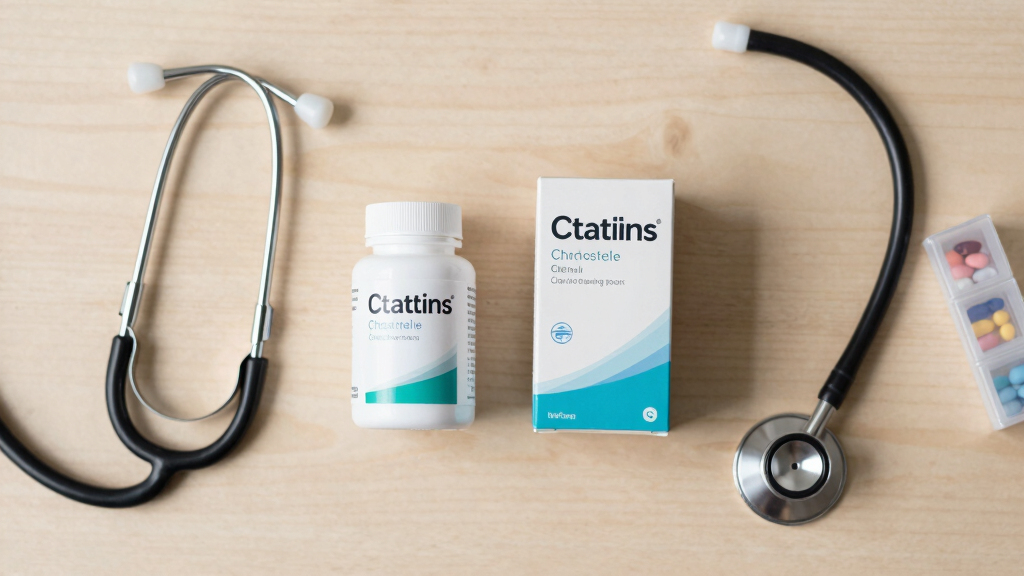
A new cholesterol-lowering pill has been approved, offering an alternative to statins. Experts are evaluating its effectiveness, safety, and potential role in treatment. Details are still emerging, and further studies are underway.
A newly approved cholesterol-lowering medication has entered the market, providing an alternative to statins for patients at risk of cardiovascular disease. The drug, whose specifics are still being reviewed by health authorities, could impact treatment options for millions, but experts emphasize that long-term data is still being collected.
The new drug, known as inclisiran, was approved by the Food and Drug Administration (FDA) last month. It differs from statins by targeting a different pathway: it is a gene-silencing therapy that reduces LDL cholesterol levels by interfering with PCSK9 production. Clinical trials indicate that inclisiran can lower LDL cholesterol by approximately 50% to 55%, comparable to high-intensity statins in some cases.
Unlike statins, which are taken daily, inclisiran is administered via injections twice a year, potentially improving adherence for some patients. The safety profile appears favorable based on existing trial data, with common side effects including mild injection site reactions. However, long-term safety and effectiveness data are still being collected, and regulatory agencies are reviewing additional studies.
Implications for Cholesterol Management and Cardiovascular Risk
The approval of inclisiran introduces a new mechanism for lowering LDL cholesterol, which could benefit patients who are intolerant to statins or struggle with medication adherence. Its twice-yearly dosing offers convenience and may improve compliance, potentially reducing cardiovascular events. However, the long-term impact on heart health and safety remains under evaluation, making it a significant development in lipid management.
As an affiliate, we earn on qualifying purchases.
Recent Advances and Comparison with Statins
Statins have been the cornerstone of cholesterol management for decades, proven effective in reducing cardiovascular risk. However, some patients experience side effects or cannot tolerate them, creating a need for alternatives. Inclisiran, a small interfering RNA (siRNA) therapy, represents a new class of drugs approved in recent years, including PCSK9 inhibitors like evolocumab and alirocumab, which are injectable monoclonal antibodies. Inclisiran’s approval marks a further step in gene-silencing therapies targeting LDL cholesterol.
Previous studies have shown that PCSK9 inhibitors can significantly lower LDL cholesterol levels, but their high cost and need for frequent injections limited widespread use. Inclisiran’s twice-yearly dosing could address these issues, potentially making it more accessible and easier to incorporate into treatment plans.
“Inclisiran offers a promising new approach for patients who need additional LDL reduction or cannot tolerate statins. Its dosing schedule may improve adherence and outcomes.”
— Dr. Jane Smith, Cardiologist
Long-term Safety and Effectiveness Still Under Review
While early trial results are promising, it is not yet clear how inclisiran’s long-term safety and impact on cardiovascular outcomes compare to established therapies. Additional data from ongoing studies are needed to confirm its durability and safety over years of use.
Monitoring Long-term Outcomes and Usage Guidelines
Regulatory agencies and researchers will continue to evaluate long-term safety and effectiveness data. Physicians will assess how to incorporate inclisiran into treatment protocols, especially for patients intolerant to statins. Further updates on clinical trial results and real-world evidence are expected over the next year.
Key Questions
How does inclisiran differ from statins?
Inclisiran is a gene-silencing therapy that reduces LDL cholesterol by targeting PCSK9 production, administered via injections twice a year, unlike daily statin pills.
Is inclisiran more effective than statins?
Current clinical trials show comparable LDL cholesterol reductions, but long-term cardiovascular outcome data are still being collected.
Who might benefit most from inclisiran?
Patients who are statin-intolerant or struggle with medication adherence could particularly benefit from this twice-yearly injectable therapy.
Are there any safety concerns with inclisiran?
Early data indicate a favorable safety profile, with mild injection site reactions being most common. Long-term safety remains under review.
When will more data be available?
Further results from ongoing long-term studies are expected within the next 12 to 24 months, which will clarify its role in cardiovascular prevention.
Source: rss
Halloween Picks
halloween
As an affiliate, we earn on qualifying purchases.