
To prevent pressure injuries, you should regularly check vulnerable skin areas like heels, sacrum, elbows, and hips for redness or discoloration. Reposition yourself or others at least every two hours, using supportive devices to evenly distribute pressure. Maintaining good skin hygiene, keeping skin moisturized, and ensuring proper nutrition and hydration strengthen skin’s resistance. Consistent monitoring and timely adjustments make a big difference. Continuing will reveal more effective strategies to safeguard your skin health.

Turn quiet afternoons into listening time
- Thousands of audiobooks, podcasts and originals
- Listen on your phone, tablet or Echo — also offline
- Cancel anytime
Key Takeaways
- Conduct daily skin assessments, focusing on bony areas, to detect early signs of pressure damage.
- Reposition immobile individuals at least every two hours to relieve pressure and promote circulation.
- Maintain proper nutrition and hydration to support healthy skin and prevent breakdown.
- Use supportive devices and pressure-redistributing surfaces to evenly distribute weight and reduce pressure points.
- Keep skin clean, dry, and moisturized to enhance skin integrity and prevent irritation or injury.

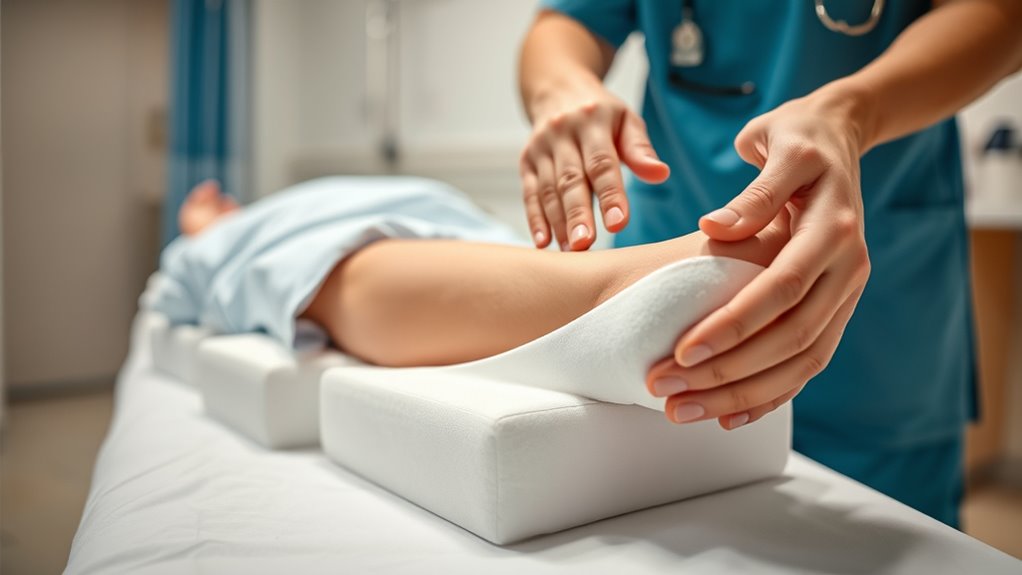
Pressure injuries, also known as bedsores, can develop quickly if you’re not proactive in preventing them. Recognizing the importance of early intervention is key, and that starts with regular skin assessments. When you perform a skin assessment, you look for signs of redness, discoloration, or broken skin, especially over bony prominences like the heels, sacrum, elbows, or hips. This helps you catch any early changes before they turn into full-blown pressure injuries. Keeping an eye on your skin’s condition allows you to address issues promptly, whether that means adjusting your position or seeking medical advice. Regular skin checks should be part of your daily routine, particularly if you’re immobile or have limited mobility, as these populations are at higher risk. Incorporating data-driven strategies can further improve prevention efforts by tracking skin changes over time and identifying patterns. Nutrition management plays an essential role in preventing pressure injuries. Your body needs adequate nutrients, especially protein, vitamins, and minerals, to maintain healthy skin and tissue repair. Poor nutrition weakens your skin’s integrity, making it more susceptible to breakdown. Ensuring a balanced diet rich in fruits, vegetables, lean proteins, and whole grains supports your skin’s resilience. If you have specific dietary restrictions or difficulties eating, consult with a healthcare professional or dietitian to optimize your nutritional intake. Proper hydration is equally important, as dehydration can lead to dry, fragile skin that’s prone to injury. In addition to skin assessment and nutrition management, other preventive measures include frequent repositioning and pressure redistribution. You should change your position at least every two hours to relieve pressure on vulnerable areas. Using supportive devices such as cushions or specialized mattresses can help distribute weight evenly and reduce localized pressure. Maintaining good skin hygiene is also essential; keep your skin clean and dry to prevent irritation and infection. Moisturize regularly with products suited for your skin type to prevent dryness and cracking.
pressure injury prevention cushions
As an affiliate, we earn on qualifying purchases.
As an affiliate, we earn on qualifying purchases.
Frequently Asked Questions
How Often Should I Change a Patient’s Position to Prevent Pressure Injuries?
You should reposition the patient at least every two hours to guarantee effective pressure redistribution techniques are in place. Regular repositioning helps prevent pressure injuries by alleviating sustained pressure on vulnerable areas. Keep in mind, individual needs may vary, so monitor for discomfort or skin changes. Consistent repositioning, combined with good skin care, reduces the risk of pressure injuries and promotes overall comfort and health.
What Are the Most Common Areas at Risk for Pressure Injuries?
You might think pressure injuries only happen in certain spots, but pressure points like the sacrum, heels, elbows, and hips are most vulnerable due to skin vulnerability and constant pressure. These areas are at highest risk because they’re subjected to prolonged pressure, reducing blood flow and increasing injury chances. Regularly checking and relieving pressure on these common areas helps prevent damage and promotes healthier skin, reducing pressure injury risk effectively.
Are There Specific Skin Care Products Recommended for Prevention?
You should choose skin care products that help maintain your skin barrier, like gentle, fragrance-free moisturizers. Look for products with ingredients such as ceramides or hyaluronic acid, which support skin hydration and resilience. Avoid harsh soaps or alcohol-based products that can dry out your skin. Proper moisturizer selection is key to preventing injuries, as it keeps your skin supple and less prone to breakdown in vulnerable areas.
How Does Nutrition Influence Pressure Injury Prevention?
Picture your skin as a sturdy wall, reinforced by good nutrition. When you perform a nutritional assessment, you identify deficiencies that weaken this barrier. By making dietary modifications, you supply essential nutrients like protein and vitamins, fostering tissue repair and resilience. This proactive approach helps prevent pressure injuries by maintaining healthy, well-nourished skin that withstands pressure and reduces the risk of breakdown.
Can Certain Medical Conditions Increase Pressure Injury Risk?
Certain medical conditions can increase your risk factors for pressure injuries. Conditions like diabetes, vascular diseases, and neurological disorders impair blood flow and sensation, making it harder for your skin to heal and detect pressure. If you have these medical conditions, you’re more vulnerable to developing pressure injuries. It’s essential to monitor skin regularly, change positions frequently, and work closely with your healthcare team to reduce these risk factors effectively.
Conclusion
By staying vigilant and following these basics, you’re building a strong shield against pressure injuries. Think of your skin as a delicate garden that needs regular care—watering it with movement, turning, and good hygiene keeps it thriving. Remember, prevention is your best tool; it’s like planting seeds today for a healthier tomorrow. Stay proactive, and you’ll keep skin damage at bay, ensuring comfort and well-being every step of the way.
Cold & flu season Picks
humidifiers
As an affiliate, we earn on qualifying purchases.