
TL;DR

Get comfort and care essentials delivered free — and shop member deals
- Fast, free delivery on millions of items
- Access to Prime Big Deal Days deals on October 6–7
- Prime Video, Amazon Music and more included
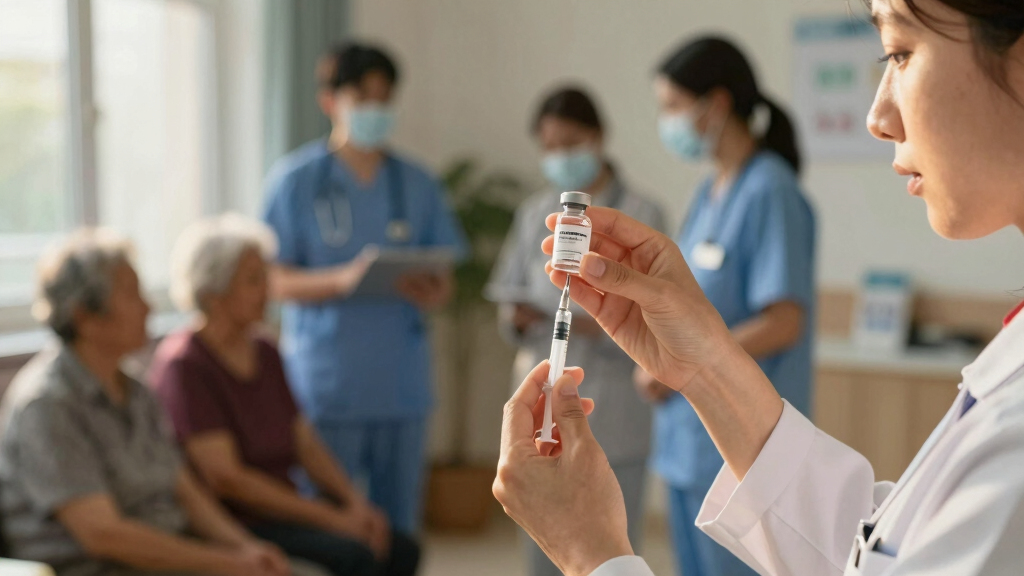
Gavi has approved a $180 million fund to enhance vaccine manufacturing capacity across Africa. This move aims to increase local production and strengthen health systems, addressing vaccine access gaps.
Gavi, the Vaccine Alliance, has approved a $180 million fund to support the development of vaccine manufacturing facilities across Africa. This decision aims to bolster local production capabilities, reduce reliance on imports, and improve vaccine access on the continent, which faces ongoing immunization challenges.
The funding was officially approved during Gavi’s recent board meeting, with the goal of establishing or expanding vaccine manufacturing plants in several African countries. The initiative is part of Gavi’s broader strategy to strengthen health systems and ensure equitable vaccine distribution.
Gavi officials stated that the $180 million will be allocated over the next three years, supporting infrastructure, technology transfer, and workforce development. The funding is expected to enable at least three new manufacturing facilities, potentially transforming Africa into a regional hub for vaccine production.
While the announcement confirms Gavi’s financial commitment, details about the specific countries involved, timelines, and the types of vaccines targeted have not yet been fully disclosed. The initiative aligns with ongoing efforts by the World Health Organization and African Union to increase local health manufacturing capacity.
Impact of Local Vaccine Manufacturing on Africa’s Health Security
This funding could significantly improve vaccine availability across Africa, especially for routine immunizations and epidemic responses. By developing local manufacturing, African countries may reduce dependency on imports, lower costs, and respond more swiftly to health crises. The move also aligns with global efforts to promote self-sufficiency in vaccine production, which is crucial amid recent disruptions in supply chains. If successful, this initiative could serve as a model for other regions seeking to build resilient health systems and ensure equitable access to vaccines.As an affiliate, we earn on qualifying purchases.
Background on Africa’s Vaccine Production Challenges
Africa has historically relied heavily on imported vaccines, which has led to supply delays and higher costs. The continent’s vaccine manufacturing capacity is limited, with only a few facilities operating at scale. The COVID-19 pandemic highlighted vulnerabilities in global supply chains, prompting calls for increased local production. Gavi has previously supported vaccine initiatives in Africa, but this $180 million funding marks one of the largest investments specifically aimed at building manufacturing infrastructure. Prior efforts have included technology transfer programs and partnerships with international manufacturers, but substantial gaps remain in capacity and technology access.“This investment marks a major step toward self-sufficiency in vaccine production for Africa, which will help ensure timely access to life-saving immunizations.”
— Dr. Seth Berkley, Gavi CEO
Details on Implementation and Specific Countries Still Unclear
It is not yet clear which countries will host the new manufacturing facilities, the exact timeline for construction and operation, or the specific vaccines that will be prioritized. Details about the partnership models, technology transfer mechanisms, and long-term sustainability plans are still emerging. The overall impact depends on effective execution and integration into existing health systems, which are still being defined.Next Steps Include Finalizing Location and Implementation Plans
Gavi and partner organizations are expected to announce detailed plans in the coming months, including selected countries, project timelines, and operational frameworks. Stakeholder engagement, capacity building, and securing additional investments will be key focus areas. Monitoring and evaluation will also be critical to assess progress and ensure the initiative’s success in strengthening Africa’s vaccine self-sufficiency.Key Questions
Which African countries will benefit from the funding?
The specific countries have not yet been publicly announced. Gavi and partners are expected to identify locations in the upcoming planning phases.
What types of vaccines will be produced locally?
Details are still emerging, but initial focus is likely on vaccines for routine immunizations and regional health priorities, including potential COVID-19 vaccines.
How will this funding improve vaccine access?
By establishing local manufacturing facilities, Africa can reduce dependency on imports, lower costs, and respond more rapidly to outbreaks, thereby improving overall vaccine coverage.
When will the new manufacturing facilities be operational?
Specific timelines have not been disclosed. Gavi aims to have some facilities operational within the next three to five years, depending on project development and approval processes.
What are the potential challenges for this initiative?
Challenges include securing sufficient investment, technology transfer, workforce training, regulatory approvals, and ensuring long-term sustainability of the facilities.
Source: google-trends
Fall Picks
fall essentials
As an affiliate, we earn on qualifying purchases.