
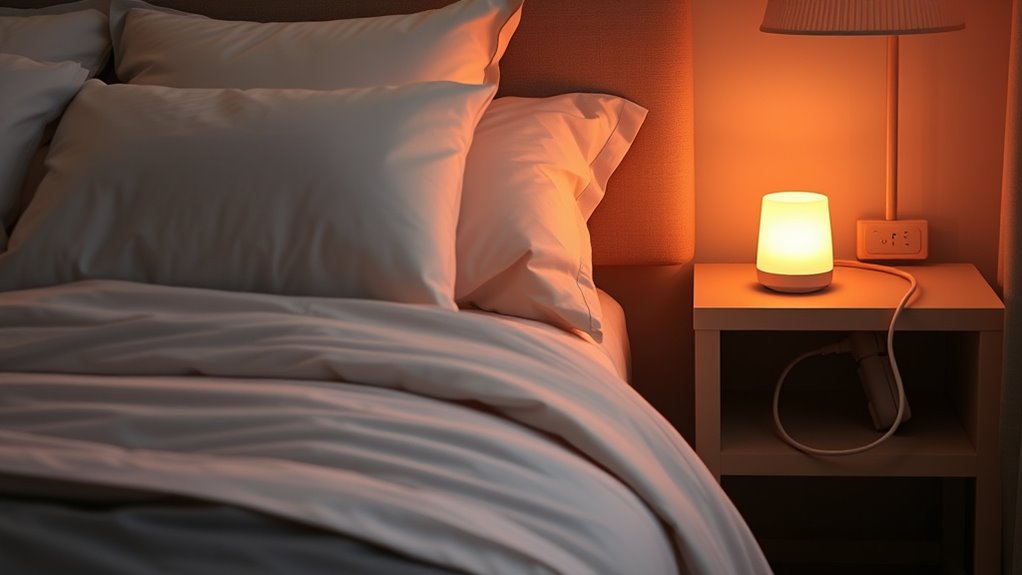
To keep your bedroom safe, use nightlights in key areas to improve visibility at night and prevent trips. Manage cords by securing them with cord cleats or wind-ups, keeping them out of walkways and away from windows to avoid falls or strangulation hazards. Unplug devices when not in use, and check cords regularly for damage. Proper lighting and cord management create a safer space; explore more tips to make sure your bedroom is as safe as it can be.
Key Takeaways
- Use nightlights in strategic locations to illuminate pathways and reduce fall risks during nighttime.
- Secure cords from blinds and curtains with cord cleats or wind-ups to prevent strangulation hazards.
- Keep cords out of reach of children to avoid accidental pulling or choking.
- Avoid running electrical cords under rugs or across walkways to prevent trips and electrical fires.
- Unplug devices when not in use to minimize electrical hazards and reduce clutter.
Have you ever stopped to contemplate how safe your bedroom really is? It’s easy to overlook potential hazards when you’re comfortable in your space, but small details can make a big difference in preventing accidents. One area to pay close attention to involves fireplace safety, especially if your bedroom is near a fireplace or has one inside. Even if you don’t use it often, guarantee that the fireplace is properly enclosed and the screen is in place to prevent sparks or embers from escaping. Regularly check that the hearth is clear of debris and that any glass doors are intact and secure. If you have a chimney, schedule routine inspections to prevent dangerous blockages or leaks. These steps help minimize fire risks while adding peace of mind.
Another essential aspect of bedroom safety is the use of window guards, particularly if you share your space with children or are concerned about accidental falls. Window guards act as a barrier, preventing falls from high windows, especially those that open wide or are situated on upper floors. Installing sturdy, properly fitted window guards is straightforward and can be done without sacrificing ventilation or natural light. Regularly check that the guards remain secure and in good condition, replacing any damaged parts promptly. This simple precaution can save lives and prevent serious injuries.
Use window guards to prevent falls and ensure safety for children and adults alike.
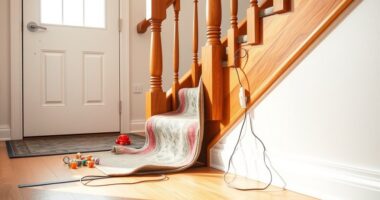
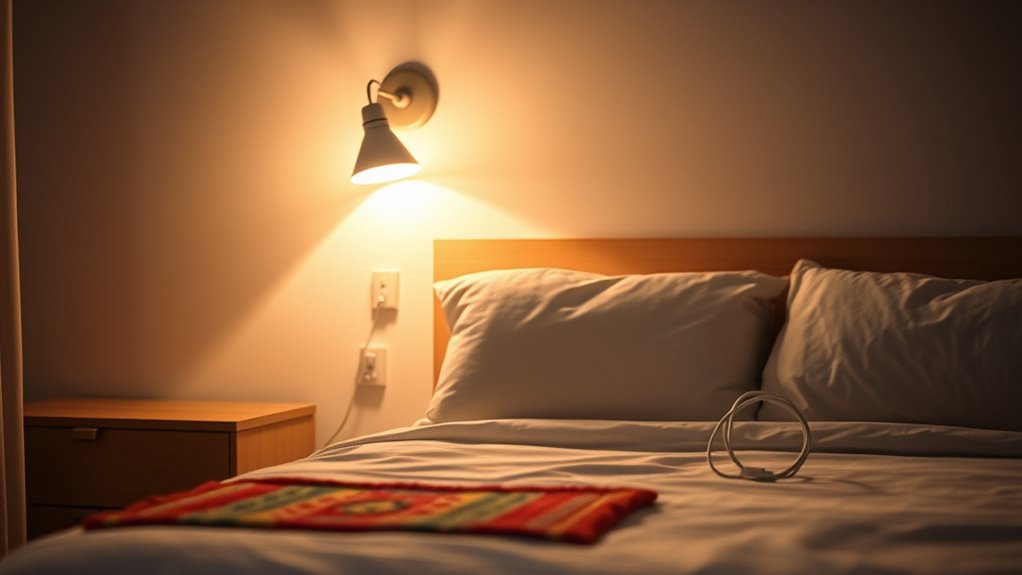
Beyond fireplace safety and window guards, the placement and management of cords in your bedroom are fundamental. Loose or dangling cords from blinds, curtains, or electronic devices pose significant strangulation risks, especially to children. Keep cords out of reach or use cord cleats or wind-ups to keep them tidy and secure. Avoid running cords across walkways or under rugs where they can become trip hazards. When it comes to electrical safety, make sure outlets aren’t overloaded and that cords don’t fray or become damaged over time. Using extension cords sparingly and unplugging devices when not in use reduces the risk of electrical fires. Additionally, proper lighting with nightlights can help you see clearly at night and reduce accidents.

L LOHAS LED Night Lights Plug into Wall 2-Pack, 0.3W Plug in Night Light, Dusk to Dawn, 3000K Soft White, Bright Nightlight Auto-On/Off, for Adults Kids Room Bedroom Bathroom Hallway Kitchen, Non-Dim
Auto On/Off: With built-in light sensor, the LOHAS LED home decor night light will detect the light intensity,…
As an affiliate, we earn on qualifying purchases.
As an affiliate, we earn on qualifying purchases.
Frequently Asked Questions
Are LED Nightlights Safer Than Incandescent Ones?
Yes, LED nightlights are safer than incandescent ones. LED safety is higher because they produce less heat, reducing fire risk and preventing burns. Compared to incandescent bulbs, LEDs are more energy-efficient and last longer. When choosing a nightlight, consider LED options for a safer, more durable, and energy-saving solution. Their lower heat emission and durability make them a smart choice for bedroom safety, especially around children.
What Is the Best Cord Length for Bedroom Safety?
For bedroom safety, you should use a cord no longer than 3 feet to prevent tripping hazards and guarantee proper cord management. Imagine a child tripping over a long, loose cord that’s stretched across the room—this could cause injury. Keeping cords short helps maintain outlet safety and reduces the risk of accidental pulling or damage. Always secure excess cord with clips or ties to keep your space safe and tidy.
Can Nightlights Cause Sleep Disruption?
Nightlights can cause sleep disruption if they emit too much light or contribute to light pollution in your bedroom. The glow might interfere with your circadian rhythms, making it harder to fall asleep or stay asleep. To avoid this, choose nightlights with dim or warm-colored bulbs, and position them away from your bed. This way, you can enjoy safety without sacrificing restful, undisturbed sleep.
How Often Should I Check Cords for Damage?
Think of your cords as the lifelines of your bedroom; you should check them at least once a month to keep them in top shape. Regular cord inspection frequency helps catch damage early, preventing potential hazards. Follow damage prevention tips like unplugging cords when not in use and avoiding pinching or twisting them. Staying vigilant guarantees your space stays safe and your cords stay dependable, giving you peace of mind night after night.
Are Wireless Nightlights a Safer Option?
Wireless illumination is generally a safer option for nightlights because it eliminates cord safety concerns. Without cords, you reduce the risk of tripping or accidental damage that could cause electrical hazards. Wireless nightlights often use rechargeable batteries or LED technology, making them convenient and safe. Just make sure to keep the charging port or batteries in good condition and follow the manufacturer’s safety instructions for maximum safety.

Iba Innovations Blind Cord Winder (4 – Pack) – No Wall Damage Safety Blind Cord Wrap Cleat Alternative
Safe, simple, and attractive blind-cord management. Say goodbye to dangling cords!
As an affiliate, we earn on qualifying purchases.
As an affiliate, we earn on qualifying purchases.
Conclusion
Ensuring your bedroom is safe can make a big difference. Did you know that falls are the leading cause of injury in children under five, often happening in bedrooms? Using nightlights can help prevent trips and falls, while keeping cords out of reach reduces strangulation risks. By taking these simple steps, you create a safer space for everyone. Prioritize safety tonight and every night—you’ll sleep easier knowing your loved ones are protected.
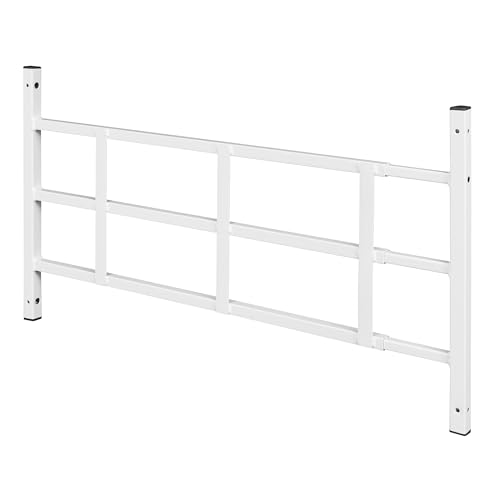
Segal S 4752 Fixed Window Guard – Adjustable Child Safety Window Guard Prevents Accidental Falls, Tamper Resistant Screws Included, Non-Egress, White, 23-1/2 to 38 In. W x 15-1/4 In. H (Single Pack)
SECURITY GRATE – Constructed of 0.048 inch thick, white carbon steel square tubing, this fixed window guard assists…
As an affiliate, we earn on qualifying purchases.
As an affiliate, we earn on qualifying purchases.

Dreambaby Blind Cord Wind Ups – Safety Wraps for Dangling Window Curtain Strings – Model L131 (2 Count)
HELP KEEP CHILDREN SAFER: Help keep dangling cords and bead chains out of reach of children
As an affiliate, we earn on qualifying purchases.
As an affiliate, we earn on qualifying purchases.