
TL;DR

Turn quiet afternoons into listening time
- Thousands of audiobooks, podcasts and originals
- Listen on your phone, tablet or Echo — also offline
- Cancel anytime
A Sixty and Me contributor says she stopped drinking at 63 after decades of drinking more than she wanted, and describes seven lessons from the change. Her account links alcohol with sleep, stress, routines and social life, but it is a personal reflection rather than research establishing how drinking affects every older adult.
A contributor to Sixty and Me says she quit drinking at 63 after decades of drinking more than she wanted, and has published seven lessons she says reshaped her retirement. Now 75, she describes starting a sobriety community, podcast and book, while stressing that her experience is personal rather than proof that wine affects everyone in the same way.
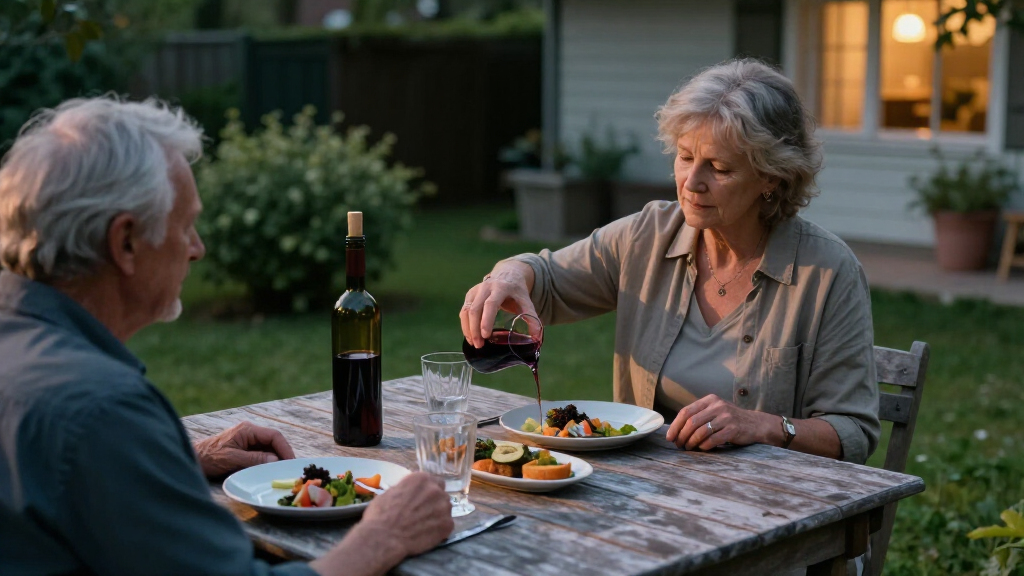
The writer says she once pictured retirement as time in a garden with a book and a glass of white wine. Near the end of her corporate career, she regarded wine as a deserved pleasure after years of work and family responsibilities. She says that perspective changed after she stopped drinking at 63, following what she describes as decades of consuming too much alcohol.
Her lessons include questioning drinking without waiting for a major crisis, reconsidering whether age alone explains tiredness or poor sleep, and recognizing that alcohol may offer short-term relaxation while contributing to later anxiety. She also writes that repeated attempts to moderate through rules and tracking did not last, and argues that changing established routines took planning rather than willpower alone.
The source material also lists building a support network and finding alternatives to drinking-related social routines among the lessons. The writer says she has since founded an international sobriety community, started a podcast and written her first book. These are details from her account; the material does not provide independent confirmation of her health outcomes or evidence that her approach will produce the same results for other readers.
Retirement Habits and Alcohol Choices
The account challenges the idea that a nightly glass of wine is automatically a harmless retirement reward. For readers who are questioning their own drinking, the writer’s central point is that they do not need to wait for a personal crisis before reflecting on whether alcohol fits their lives. That is a personal argument, not a diagnosis of readers or a claim that all older adults should stop drinking.
The piece also draws attention to practical issues that can shape drinking habits: sleep, stress, emotional routines and social expectations. These subjects matter because retirement can change daily structure and social life. The writer describes replacing alcohol’s role in those routines with a deliberate plan, including identifying personal reasons for change and seeking people who understand the decision.
Her account includes an important safety caveat: she warns that abruptly stopping can be dangerous for someone who is physically dependent on alcohol. A person concerned about dependence or making a change should seek medical advice rather than treat a personal essay as a substitute for professional guidance.
As an affiliate, we earn on qualifying purchases.
From Retirement Dream to Sobriety
The report is a first-person essay on Sixty and Me, not a study, government health advisory or clinical assessment. Its headline frames the piece around seven lessons after quitting at 63. The supplied text describes the author’s previous drinking, her decision to stop and the activities she says she pursued afterward.
In the essay, the writer recalls explaining tiredness and restless nights as part of getting older, then reconsidering alcohol’s possible role. She also describes using wine to mark different emotions, including stress, sadness and celebration. Her interpretation is that drinking had become woven into how she relaxed and socialized, making a plan and supportive relationships more useful than rules alone.
The source material supplies only part of the seven lessons in full detail. It identifies support from friends who understand as another lesson, but does not give the remaining sections of the original article. It also includes no study citations, medical records, or data comparing the author’s health before and after quitting.
Limits of One Person’s Account
The supplied material does not establish how much the writer drank, whether she received clinical support, or what medical changes followed her decision to quit. It provides no independent evidence that alcohol caused her tiredness or that stopping improved her health. Her explanations about sleep, ageing and anxiety should be understood as reflections in a personal essay, not individual medical conclusions for readers.
The source excerpt does not include all seven lessons in full, so the complete list and the details behind its final points cannot be confirmed from the material provided. It also gives no publication date, audience data or information about how the writer’s sobriety community operates.
Readers’ Choices and Medical Guidance
The essay’s next step for readers is reflection: identify what they want to change, write down their reasons and consider what support or alternative routines could help. The source does not announce a forthcoming study, policy change or new program, and it gives no date for a related follow-up.
For anyone concerned about their drinking, the writer advises seeking medical guidance before stopping if physical dependence may be present. The article does not specify a clinical service or treatment pathway. Its reported development remains the contributor’s account of how she says her life changed after quitting at 63.
Key Questions
What is the news in this report?
A Sixty and Me contributor published a first-person account of quitting drinking at 63 and the lessons she says she learned. It is a personal essay, not a new scientific finding.
What does the writer say changed after she quit?
She says she came to understand her drinking differently and later founded a sobriety community, started a podcast and wrote a book. The supplied account does not independently verify health changes or attribute specific medical outcomes to quitting.
Does the article say everyone in retirement should stop drinking?
No. The contributor encourages readers to question whether alcohol is serving them, but her account does not establish that every older adult should stop or that all readers will have the same experience.
Is it safe to stop drinking suddenly?
The essay warns that stopping suddenly can be dangerous for someone who is physically dependent on alcohol and advises seeking medical guidance before making changes. Readers should consult a qualified health professional about their own circumstances.
Source: rss
Halloween Picks
halloween
As an affiliate, we earn on qualifying purchases.