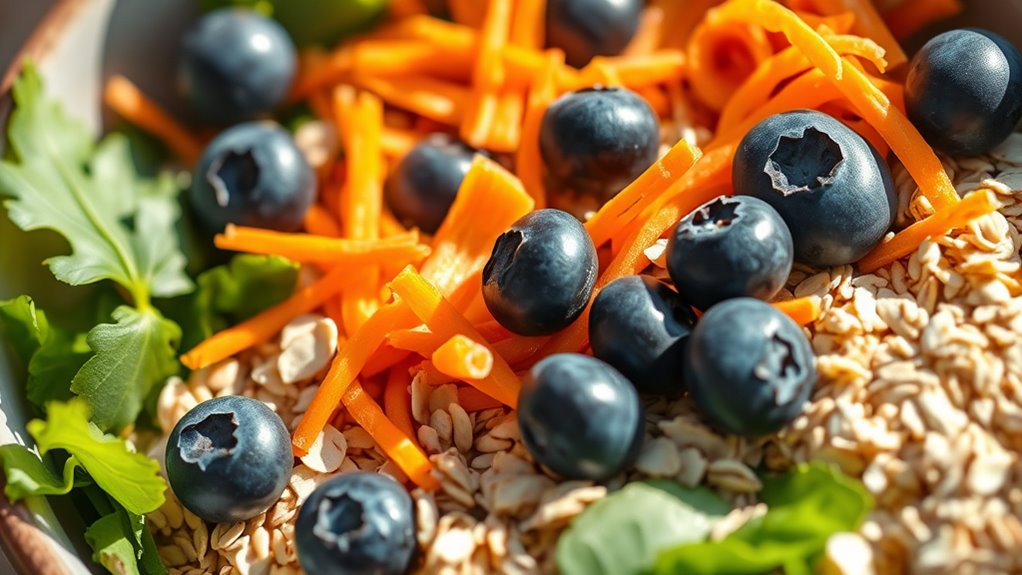

Consuming enough fiber supports your digestive health by feeding beneficial gut bacteria and promoting the production of short-chain fatty acids that strengthen your gut lining and reduce inflammation. Fiber slows digestion, helping maintain steady blood sugar levels and aiding mineral absorption for stronger bones. Its fermentation process produces gases and SCFAs that contribute to overall gut balance. Explore how these natural processes work together to keep your digestion healthy and more resilient over time.

Turn quiet afternoons into listening time
- Thousands of audiobooks, podcasts and originals
- Listen on your phone, tablet or Echo — also offline
- Cancel anytime
Key Takeaways
- Dietary fiber fuels the gut microbiome through fermentation, producing beneficial short-chain fatty acids (SCFAs).
- SCFAs nourish colon cells, reduce inflammation, and strengthen gut barrier function.
- Fiber helps regulate digestion, prevent blood sugar spikes, and promote regular bowel movements.
- Fermentation gases and SCFAs influence gut environment, supporting overall digestive health.
- Consuming fiber-rich foods can lower risks of gastrointestinal conditions like IBS and IBD.
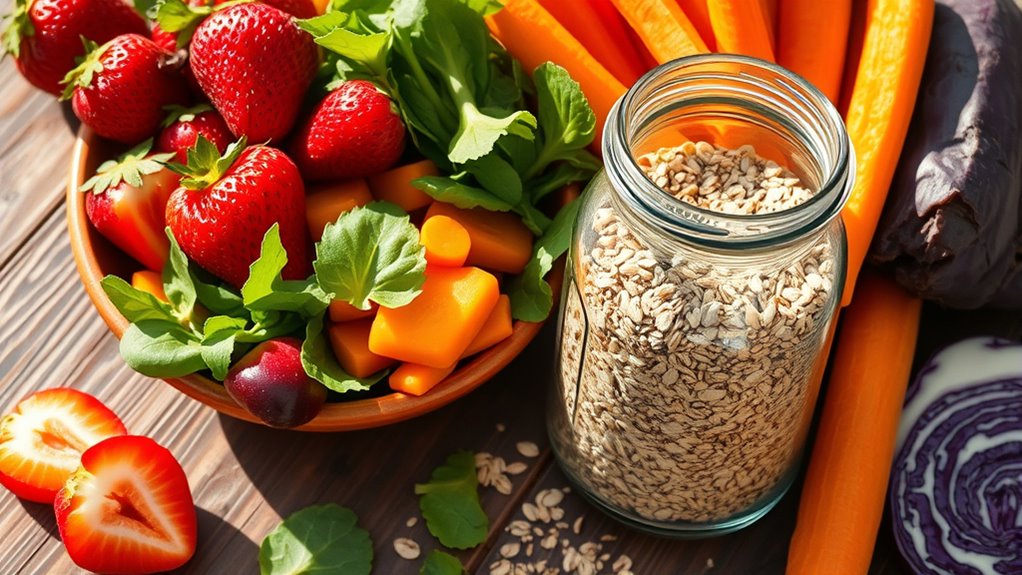
Have you ever wondered how your digestive system impacts your overall health? The answer lies partly in the role of fiber and how it interacts with your gut. When you eat fiber-rich foods, you’re fueling your digestive system in a way that promotes better health. One of the key ways fiber benefits your gut is through prebiotic effects. Prebiotics are compounds that feed the beneficial bacteria living in your intestines, helping them thrive. These bacteria play a crucial role in maintaining a balanced gut microbiome, which influences everything from digestion to immune function. When you consume fiber, it undergoes fermentation in your colon—a process called fiber fermentation. During fermentation, your gut bacteria break down the fiber, producing short-chain fatty acids (SCFAs) like acetate, propionate, and butyrate. These SCFAs are essential because they nourish your colon cells, support your immune system, and may even help regulate your appetite.
The process of fiber fermentation is essential because it transforms indigestible plant material into substances your body can use. Unlike simple carbohydrates that quickly spike blood sugar levels, fiber moves slowly through your digestive tract, providing sustained benefits. As your gut bacteria ferment fiber, they produce gases and SCFAs, which can influence your overall gut health. For example, SCFAs help reduce inflammation in your gut, protect against harmful pathogens, and support the integrity of your intestinal lining. This not only improves digestion but also reduces the risk of conditions like irritable bowel syndrome and inflammatory bowel disease. Additionally, the prebiotic effects of fiber can enhance mineral absorption, such as calcium and magnesium, which are important for your bone health. Moreover, understanding spiritual energy and its influence can help you foster a mindful relationship with your body, supporting holistic health and well-being.
Products Worth Considering

Fitbit Sense 2 Health and Fitness Smartwatch – Shadow Grey/Graphite

Philips Sonicare DiamondClean 9500 Smart Electric Toothbrush with 2 Brush Heads, Black

BowFlex Results Series SelectTech Adjustable Dumbbells, Pair
As an affiliate, we earn on qualifying purchases.
Frequently Asked Questions
Can Fiber Intake Improve Symptoms of Irritable Bowel Syndrome?
Yes, increasing your fiber intake can help improve symptoms of irritable bowel syndrome. You might consider fiber supplements or follow dietary guidelines to add more fiber to your diet gradually. This helps regulate your digestion and reduce symptoms like bloating and constipation. Just remember to start slowly, drink plenty of water, and consult with your healthcare provider to tailor a plan that works best for you.
How Does Fiber Affect Gut Microbiota Diversity?
Think of your gut microbiota as a diverse garden, thriving with many different plants. When you eat fiber, it acts like fertilizer, encouraging microbiota diversity through fiber fermentation. This process boosts beneficial bacteria, creating a balanced ecosystem. As a result, your gut health improves, and your microbiota becomes more resilient. So, by increasing fiber intake, you nourish your gut’s microbial garden, fostering a richer, more diverse microbiota.
Are There Risks of Consuming Too Much Fiber Daily?
Yes, consuming too much fiber can lead to fiber overdose, causing bloating, gas, and constipation. Excessive fiber intake may also interfere with nutrient absorption and cause abdominal discomfort. To avoid these issues, increase your fiber intake gradually and stay well-hydrated. If you notice persistent symptoms, cut back on fiber and consult a healthcare professional, especially if you have existing digestive conditions. Balance is key to safe fiber consumption.
What Types of Fiber Are Best for Specific Digestive Issues?
You should focus on soluble fiber for issues like diarrhea or irritable bowel syndrome, as it helps firm up stool, while insoluble fiber eases constipation by adding bulk. Prebiotic fibers, a type of soluble fiber, boost beneficial gut bacteria, aiding digestion and immunity. Incorporate oats, fruits, and vegetables for soluble and prebiotic fibers, and choose whole grains and nuts for insoluble fiber to support your specific digestive needs effectively.
Does Fiber Help With Nutrient Absorption in the Gut?
They say, “You are what you eat,” and fiber benefits your gut by aiding nutrient absorption. When you include enough fiber in your diet, it helps regulate bowel movements and creates a healthy environment for your gut bacteria. This, in turn, improves the efficiency of absorbing essential nutrients from your food. So, yes, fiber plays an indispensable role in enhancing nutrient absorption and supporting your overall digestive health.
Conclusion
By adding more fiber to your diet, you’re opening the door to better digestion and overall health. Think of fiber as your digestive ally, quietly working behind the scenes to keep things running smoothly. Don’t let your gut be a silent witness to discomfort—take action today. Remember, a fiber-rich diet isn’t just a choice; it’s a key to uncovering a healthier, happier you. Isn’t it time you gave your digestive health the attention it deserves?