

To create effective care plans, you should set S.M.A.R.T. goals that are specific, measurable, achievable, relevant, and time-bound. Involve your patients in this process to boost their engagement and motivation. Focus on realistic objectives tailored to their health and lifestyle. Regularly monitor progress, celebrate milestones, and adjust goals as needed. By following these steps, you’ll help guarantee your care plans are meaningful and successful—more detailed strategies await as you explore further.
Key Takeaways
- S.M.A.R.T. goals ensure care plans are specific, measurable, achievable, relevant, and time-bound, guiding effective patient progress.
- Involving patients in setting S.M.A.R.T. goals enhances engagement, commitment, and motivation.
- Clear, measurable indicators help track progress and adjust care strategies accordingly.
- Goals should be realistic and tailored to individual health conditions and lifestyle to prevent frustration.
- Regular follow-ups and reassessment ensure goals remain relevant and foster accountability.

Have you ever wondered how to create care plans that truly lead to meaningful progress? The secret lies in setting clear, actionable goals that keep everyone focused and motivated. That’s where S.M.A.R.T. goals come into play. These goal setting strategies are designed to ensure your care plans are specific, measurable, achievable, relevant, and time-bound. When you combine this framework with strong patient engagement, you can craft care plans that not only guide treatment but also empower patients to take an active role in their health journey.
Patient engagement is the cornerstone of effective care planning. When patients are involved in setting their own goals, they’re more likely to feel committed and motivated to follow through. To leverage this, start by openly discussing their concerns, preferences, and what they hope to achieve. Use goal setting strategies that encourage collaboration rather than dictation. For example, instead of merely telling a patient they need to lose weight, work with them to set a specific target—such as losing 10 pounds in three months—making it measurable and time-bound. This approach creates a shared understanding and a clear path forward, increasing the likelihood of success.
Involving patients in goal setting boosts commitment and motivation for successful care plans.
As you develop these goals, ensure they are realistic and relevant to the patient’s overall health and lifestyle. Achievable goals prevent frustration and burnout, which can derail progress. For example, if a patient has mobility issues, a goal to walk 30 minutes daily might be more attainable than aiming for a marathon. This relevancy helps keep the patient engaged because they see the goals as meaningful to their personal health journey. Keep in mind that goals should be flexible enough to adapt as circumstances change. Regular check-ins allow you to reassess and adjust goals, maintaining momentum and relevance. Additionally, understanding how arcade machines operate can help in designing engaging interventions or motivational tools for patient activities.
Time-bound objectives are essential for accountability. When you set deadlines, you create a sense of urgency that motivates action. For example, schedule follow-up appointments to review progress after four weeks, and celebrate milestones along the way. This not only helps keep the patient engaged but also provides opportunities to refine the plan as needed. Remember, the key to successful goal setting strategies is to foster a partnership—where the patient feels heard and empowered, and you provide guidance and support. When these elements align, your care plan becomes a dynamic tool that promotes lasting progress and improved health outcomes.
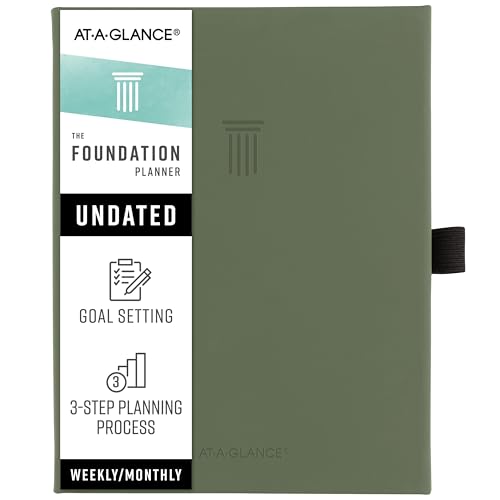
AT-A-GLANCE Foundation Goal Setting Planner, Undated Weekly & Monthly Journal, Track Progress, Create Habits, 5-3/4" x 8-1/4", Green (FD2-200-60)
3-STEP SYSTEM – Build a foundation for your year. The 3-step system helps take your goals from broad…
As an affiliate, we earn on qualifying purchases.
As an affiliate, we earn on qualifying purchases.
Frequently Asked Questions
How Do S.M.A.R.T. Goals Differ From Regular Goal Setting?
You’ll find that S.M.A.R.T. goals differ from regular goal setting because they’re specific, measurable, achievable, relevant, and time-bound, making your motivational techniques more effective. This structure helps you track progress clearly and stay focused. Unlike vague goals, S.M.A.R.T. goals give you a concrete plan, allowing you to see results and adjust your efforts if needed, ensuring better success and motivation along your journey.
Can S.M.A.R.T. Goals Be Adapted Over Time?
Yes, you can adapt S.M.A.R.T. goals over time. Flexibility allows you to modify your goals as circumstances change, ensuring they stay relevant and achievable. Regular goal revision helps you stay on track and address new challenges or opportunities. By revisiting your goals periodically, you maintain alignment with your evolving needs, making your plan more effective and motivating you to continue progressing toward your desired outcomes.
What Are Common Mistakes When Setting S.M.A.R.T. Goals?
You should avoid goal ambiguity by making your goals specific and clear. Don’t set overly ambitious goals that feel unreachable, as this can demotivate you. Make sure your goals are measurable so you can track progress effectively. Also, steer clear of vague language and unrealistic expectations, which hinder success. Clear, attainable, and precise goals keep you motivated and focused, ultimately increasing your chances of achieving your care plan objectives.
How Do S.M.A.R.T. Goals Improve Patient Outcomes?
Imagine guiding your patient toward a clear, bright destination—S.M.A.R.T. goals turn this into reality by providing specific, measurable steps. They boost patient engagement and motivate individuals to take ownership of their health journey. With focused motivation strategies, patients stay committed, leading to improved adherence, better health outcomes, and a stronger sense of accomplishment. This clarity empowers patients, making their recovery more effective and rewarding.
Are S.M.A.R.T. Goals Suitable for All Healthcare Settings?
You’ll find S.M.A.R.T. goals suitable for many healthcare settings because they incorporate motivational techniques that encourage patient engagement. They also facilitate goal tracking, making progress measurable and encouraging accountability. However, in highly complex or acute environments, you might need to adapt these goals to fit specific circumstances. Overall, their flexibility helps you tailor care plans effectively, fostering better outcomes across diverse healthcare settings.
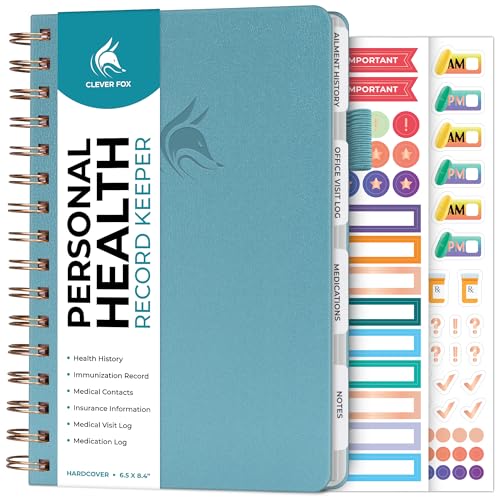
Clever Fox Personal Health Record Keeper – Medical Care Planner – Wellness & Medication Tracker Journal for Patients – Organizer Notebook, Daily Tracking Log Book & Appointment Diary (Aquamarine)
ALL YOUR HEALTH RECORDS IN ONE PLACE – This medical planner journal helps organize vital medical information including…
As an affiliate, we earn on qualifying purchases.
As an affiliate, we earn on qualifying purchases.
Conclusion
By setting S.M.A.R.T. goals for your care plan, you’ll create clear, achievable steps that boost your health outcomes. Did you know that patients with well-defined goals are 30% more likely to stick with their care plans? Stay focused, track your progress, and adjust as needed. With these strategies, you’ll be empowered to take control of your health and reach your wellness objectives more effectively.

Fitness & Food Journal for Women, Undated 150-day Workout & Wellness Planner with Measuring Tape, Pink Weight Loss Journal for Setting Goals Tracking Exercise Training Diet Progress (9.5’’*7’’)
150-day/5-month food and fitness journal with measuring tape: this fitness journal allows you to record up to 150…
As an affiliate, we earn on qualifying purchases.
As an affiliate, we earn on qualifying purchases.

SNABBLES Dementia Activities for Seniors – Activity Kits for Dementia Patients – Memory Games for Seniors with Dementia – Dementia Products – Alzheimers Activities – Puzzles for Dementia Patients
MEMORY PRESERVATION – SNABBLES has designed special games for dementia patients and activities for dementia patients. Incorporate our…
As an affiliate, we earn on qualifying purchases.
As an affiliate, we earn on qualifying purchases.