
To guarantee safe lifting and back care, always use proper body mechanics by keeping your feet shoulder-width apart and bending at your hips and knees, not your waist. Keep the person close to you, maintain a straight back, and plan your lift ahead of time. Use assistive devices when possible and communicate clearly. Paying attention to your body signals and practicing ergonomic techniques will help prevent injuries—continue exploring for more tips to protect your back and stay safe.
Key Takeaways
- Use proper body mechanics: keep feet shoulder-width, bend at hips and knees, and keep the person close to reduce strain.
- Always assess weight, plan the move, and communicate clearly with the person for safe lifting.
- Utilize assistive devices like transfer belts, slide sheets, or lifts to minimize physical effort.
- Strengthen core muscles, maintain flexibility, and wear supportive footwear to prevent injuries.
- Ensure a clear path, avoid rushing, and listen to your body signals to promote safe caregiving practices.

Caring for others often requires lifting and moving patients or loved ones, but without proper technique, you risk serious back injuries. To protect yourself, it’s essential to learn and apply ergonomic techniques that promote safe lifting practices. These techniques focus on maintaining proper body mechanics, reducing strain on your back, and preventing injury. When lifting, keep your feet shoulder-width apart to provide a stable base. Bend at your hips and knees, not your waist, allowing your leg muscles to do the work instead of your back. Keep the person you’re lifting close to your body to minimize the leverage and force needed. Avoid twisting your torso during the lift; instead, pivot with your feet if you need to change direction. Remember to keep your back straight and your chest up to maintain proper alignment. Using your leg muscles instead of your back reduces the risk of strain and injury, making your movements more efficient and less taxing. Additionally, choosing the right lifting equipment can greatly enhance safety and reduce physical stress during transfers.
Injury prevention is a critical aspect of caregiving that begins with awareness of your body’s limits. Always assess the weight and stability of the person you’re helping before lifting. If they are able to assist, coordinate your movements to work together smoothly. Use assistive devices like transfer belts, slide sheets, or lifts whenever possible, as they can considerably decrease the physical effort required. If manual lifting is unavoidable, make sure to plan your move in advance, ensuring a clear path and enough space to maneuver safely. Take your time and avoid rushing; rushing increases the chance of losing balance or applying improper force. Proper communication with the person being moved is essential—let them know what you’re doing to ensure cooperation and safety. Pay attention to your body signals; if you feel pain or discomfort, stop and reassess your technique. Regularly practicing ergonomic techniques not only helps prevent injuries but also enhances your overall efficiency and confidence during lifts.
Injury prevention doesn’t stop at correct technique; it also involves maintaining good physical health. Strengthening your core muscles through exercises can provide additional support for your back. Stretching regularly helps maintain flexibility, reducing stiffness that could lead to injury. Wearing supportive footwear and ensuring your workstation is ergonomic can make a difference in daily caregiving tasks. Ultimately, prioritizing safe lifting practices and injury prevention strategies ensures you can care for others effectively without compromising your health. By integrating ergonomic techniques into your routine and listening to your body, you protect yourself from preventable injuries, so you can continue providing compassionate, safe care for those who depend on you.

Vive Gait Belt (300lbs) Transfer Belt with Handles – Medical Nursing Safety Patient Assist – Bariatric, Elderly, Handicap, Physical Therapy – PT Gate Strap Quick Release Metal Buckle, Grabbing Teeth
EASY MOVEMENT & TRANSFERS FROM A TRUSTED BRAND: Safely assist patients or loved ones with ease using our…
As an affiliate, we earn on qualifying purchases.
As an affiliate, we earn on qualifying purchases.
Frequently Asked Questions
How Often Should Caregivers Take Back Breaks During Shifts?
You should take back breaks every 30 to 60 minutes during your shift. Use this time to practice stretching routines and switch to ergonomic seating if possible. Regular breaks help prevent strain and fatigue, keeping your back healthy. Make sure to stand, walk around, and stretch to reduce tension. Staying proactive with these habits will help maintain your back’s strength and prevent injury over time.
Are There Specific Exercises to Strengthen Caregivers’ Backs?
Think of your back as a sturdy bridge—keeping it strong is essential. You should do core stability exercises like planks and bridges regularly to build support. Incorporate flexibility exercises such as gentle yoga stretches, focusing on your hamstrings and hips, to prevent stiffness. These routines help reinforce your back’s foundation, making lifting safer and reducing strain. Consistent practice keeps your back resilient, ready to carry the weight of your caregiving duties.
What Equipment Can Reduce Strain During Lifts?
You can reduce strain during lifts by using lifting aids and ergonomic tools designed for caregivers. These assistive devices, like transfer belts, slide sheets, and patient lifts, help you maintain proper posture and distribute weight evenly. Incorporating these tools into your routine minimizes back stress and prevents injury. Always choose the right equipment for the task and confirm proper training to maximize safety and efficiency during lifts.
How Do I Recognize Signs of Back Injury Early?
Don’t wait until it’s too late; catching signs early can save you from bigger problems. Watch for muscle strain, like soreness or stiffness that lingers, and pay attention to pain that worsens with movement. Poor posture correction can also cause discomfort or numbness. If you notice these signs, rest and seek professional advice. Staying alert helps you protect your back before injury becomes a serious issue.
Can Proper Lifting Techniques Prevent Long-Term Back Problems?
Yes, proper lifting techniques can prevent long-term back problems. By practicing lifting safety, you reduce the risk of back injury and strain. Always bend your knees, keep your back straight, and hold objects close to your body. Avoid twisting while lifting. When you follow these safety measures, you protect your back and promote good posture, helping to prevent chronic issues and ensuring you stay healthy while caring for others.
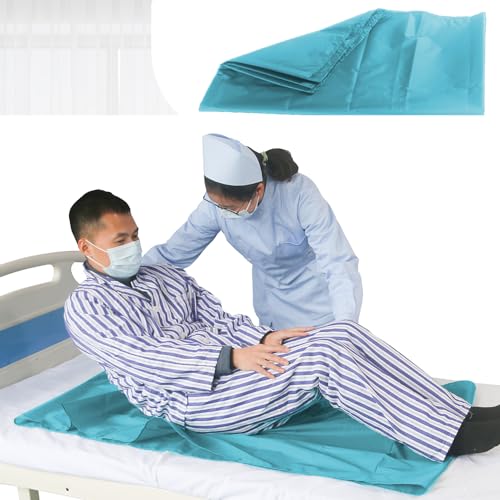
Sky Blue Tubular Slide Sheet for Patient Transfer ,Washable & Reusable Draw Sheets, Sliding Board Suitable for Cars, Vehicles, Wheelchairs, Hospitals, Bed Transfers, Nursing Home Care,53" x 28"
【Perfect Size】Transfer slide sheet with size 53" x 28"(133*70cm) suitable for height below 63in. Super light, this pad…
As an affiliate, we earn on qualifying purchases.
As an affiliate, we earn on qualifying purchases.
Conclusion
Remember, lifting safely protects your back and keeps your loved ones safe too. While it might seem easier to rush or strain, taking the time to lift properly makes all the difference. Think of your back as a fragile tool—treat it with care, just as you do those you care for. By practicing safe lifting, you prevent pain and injury, turning caregiving from a source of stress into a confident act of love and strength.

FEATOL Back Brace Support Belt-Lumbar Support Back Brace for Back Pain, Sciatica, Scoliosis, Herniated Disc Adjustable Support Straps-Lower Back Brace with Removable Lumbar Pad for Men & Women
[CHOOSE YOUR SIZE] – Pay attention to measure your waist at the level of your navel, not your…
As an affiliate, we earn on qualifying purchases.
As an affiliate, we earn on qualifying purchases.

BHNJUTM Acacia Wood Mattress Lifter Tool for Changing Sheets, Easy Lever-Action Lift & Comfort Grip, Sturdy Wooden Design for Seniors, Caregivers, Housekeepers, Daily Bed Making & Sheet Tucking
Easy-to-Use Grip for Comfortable Handling: With a streamlined, comfortable handle, this bed tucking tool reduces wrist fatigue and…
As an affiliate, we earn on qualifying purchases.
As an affiliate, we earn on qualifying purchases.