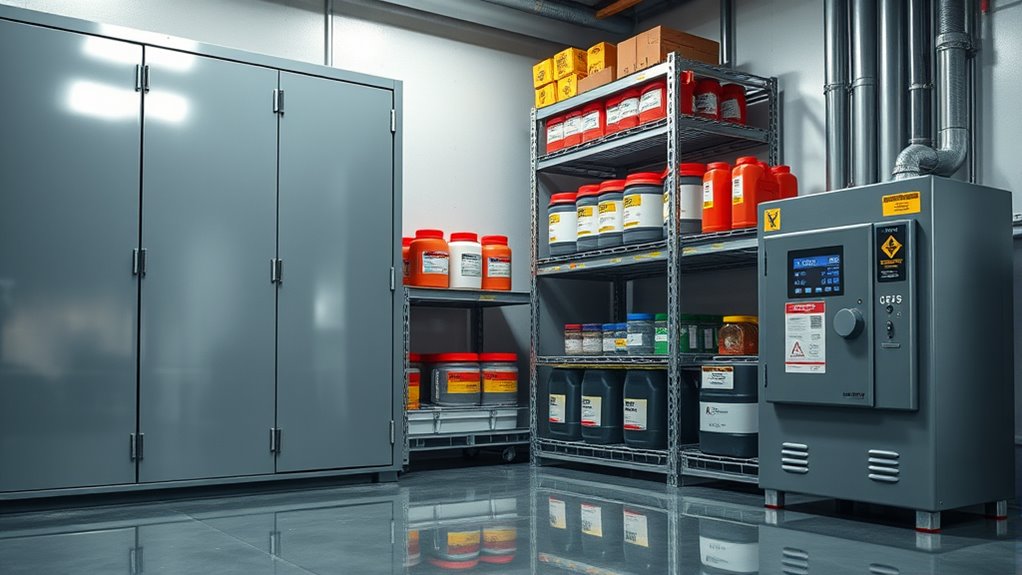

To safely store hazardous items, you should keep chemicals in their original, labeled containers and place them in secure, designated areas away from heat sources or open flames. Use sturdy shelves or cabinets that are lockable and store incompatible chemicals separately. Regularly inspect containers for leaks or damage, dispose of expired items properly, and maintain clear labels with hazard warnings and dates. Following these practices can create a safer household environment—continue to explore how to implement these tips effectively.
Key Takeaways
- Store hazardous items in their original containers with clear labels and hazard warnings.
- Keep chemicals in designated, secure areas away from heat sources and open flames.
- Separate incompatible chemicals, such as acids and bases, to prevent dangerous reactions.
- Regularly inspect storage areas for leaks, damage, or expired items, and dispose of chemicals responsibly.
- Maintain an updated inventory with purchase and opening dates, and ensure containers are tightly sealed.
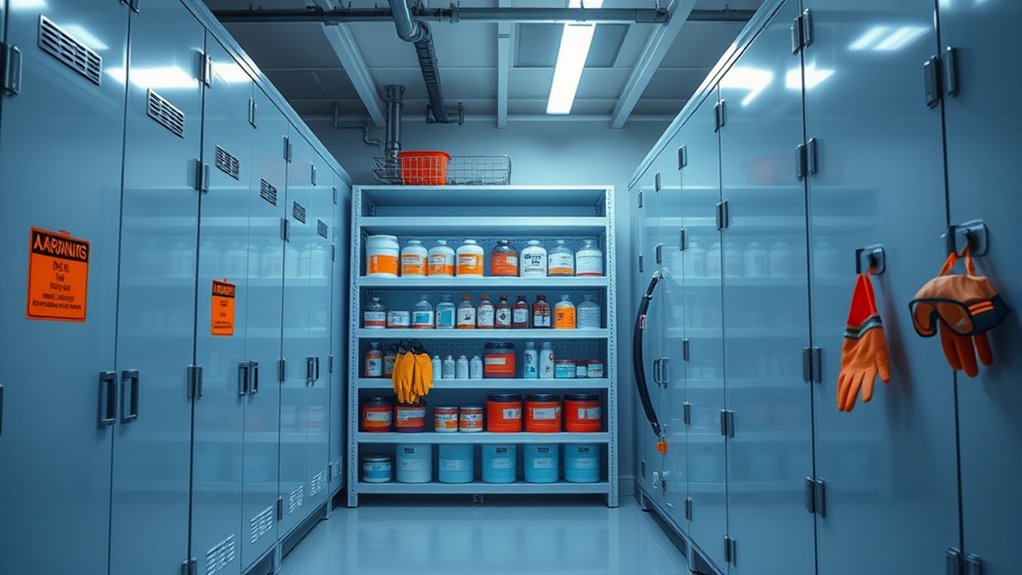
Storing hazardous items safely is essential to prevent accidents and protect your household. When it comes to handling chemicals, understanding chemical safety and implementing proper storage techniques can make all the difference. Hazardous materials, whether cleaning supplies, paints, or automotive fluids, pose risks if not stored correctly. By adopting effective strategies, you reduce the likelihood of spills, leaks, or dangerous reactions that could harm you or your loved ones. The first step is to identify all hazardous items and read their labels carefully. Labels often include vital information about proper storage, handling precautions, and expiration dates. Once you know what you’re dealing with, you can decide how best to store each item.
Using appropriate containers is crucial. Store chemicals in their original containers whenever possible, as these are designed with safety features like tamper-evident caps and clear labeling. If you transfer chemicals to secondary containers, make sure they are sturdy, chemical-resistant, and clearly labeled with the contents and hazard warnings. Keep these containers tightly sealed to prevent leaks and evaporation. It’s equally important to store hazardous items in a designated area away from children and pets. A locked cabinet or a high shelf is ideal, especially if the chemicals are particularly toxic or corrosive.
Store chemicals in their original, clearly labeled containers and keep them out of reach of children and pets.
Adopting specific storage techniques can substantially improve safety. Store incompatible chemicals separately to prevent dangerous reactions — for example, keep acids away from bases, or flammable liquids away from oxidizers. Use shelves or storage units made of materials resistant to chemical corrosion, and avoid storing hazardous items near heat sources or open flames. Good ventilation is also key; storing chemicals in well-ventilated areas helps disperse fumes and reduces the risk of inhalation hazards. Regularly inspect your storage area for leaks, damage, or expired items, and dispose of chemicals responsibly according to local regulations. Incorporating proper storage methods can further enhance safety and reduce the risk of accidents.
Labeling is more than just a formality — it’s a critical safety measure. Clearly mark storage containers with contents, hazard warnings, and date of acquisition or opening. This helps you keep track of items and ensures anyone else in your household understands the risks involved. Keep an inventory of all hazardous materials, review it periodically, and update it as needed. Remember, safe storage isn’t a one-time task; it’s an ongoing process that requires attention and diligence to prevent accidents and keep everyone in your home safe. By following sound storage techniques and prioritizing chemical safety, you create a safer environment for your family and minimize the chances of dangerous incidents.

Hazardous Chemical Storage Cabinet for Flammable Liquids, 32 Gallon OSHA Safety Cabinet 18.1×18.1×35.4 in, Locking Doors, Leakproof Spill Sump, Venting & Grounding, Galvanized & Cold Rolled Steel, Lab
HAZARDOUS CHEMICAL STORAGE CABINET – Designed for safer organization of flammable liquids and common chemicals in lab, garage…
As an affiliate, we earn on qualifying purchases.
As an affiliate, we earn on qualifying purchases.
Frequently Asked Questions
Are There Specific Storage Guidelines for Radioactive Materials?
Yes, there are specific storage guidelines for radioactive materials. You should guarantee proper radiation shielding to protect yourself and others from exposure. Always use containers with maintained integrity to prevent leaks or contamination. Store radioactive items in designated, secure areas that are clearly labeled and restricted to authorized personnel. Regularly inspect storage containers and shielding materials for damage, and follow all regulations to maintain safety and compliance.
How Often Should Hazardous Storage Areas Be Inspected?
Think of your storage area as a living entity that needs constant care. You should inspect hazardous storage areas at least monthly to guarantee safety. Regular safety inspection schedules promote storage area maintenance, catching potential issues before they escalate. By adhering to these routines, you keep hazardous materials secure, prevent accidents, and ensure compliance, transforming your storage space into a safe haven where safety is woven into every routine check.
What Are the Best Practices for Labeling Hazardous Items?
You should use proper label design and clear color coding systems to identify hazardous items effectively. Make sure labels include important details like chemical names, hazards, and safety instructions. Use bright, standardized colors to indicate specific dangers, making it easy for anyone to recognize risks quickly. Regularly check labels for readability and accuracy, updating them if any information changes, to maintain a safe and compliant storage environment.
How to Handle Accidental Spills in Storage Areas?
If an accidental spill occurs, act quickly by initiating emergency cleanup procedures. First, contain the spill using spill containment materials like absorbent pads or barriers to prevent spread. Wear appropriate PPE, such as gloves and goggles, to protect yourself. Carefully follow your facility’s spill response plan, and if the spill is large or hazardous, evacuate the area and call emergency services. Proper cleanup minimizes risks and guarantees safety.
Are There Legal Requirements for Hazardous Material Storage?
You must follow legal compliance and storage regulations when storing hazardous materials. These laws vary by location but generally require proper labeling, secure containment, and restricted access. You’re responsible for ensuring storage areas meet local, state, and federal standards to prevent accidents and protect health and safety. Regularly review regulations and update storage practices accordingly, and keep documentation to demonstrate compliance in case of inspections.

Letaya Metal Garage Storage Cabinets with Lock-72 Tall Tool Organizer Steel Lockers, 5 Adjustable Layers Shelves for Home,Office,Warehouse,Garage,(Black-72“)
High-Quality Metal: Letaya metal storage cabinet with whole-in-one reinforced heavy gauge steel deluxe welded frame, 2 locking doors…
As an affiliate, we earn on qualifying purchases.
As an affiliate, we earn on qualifying purchases.
Conclusion
So, you think storing hazardous items safely isn’t a big deal? Ironically, one careless mistake can turn your home into a disaster zone. By following simple safety tips, you’re actually protecting yourself and loved ones from potential harm. It’s funny how something as mundane as proper storage can make all the difference. Don’t wait for a mishap to realize that safety isn’t just a suggestion—it’s your best defense against chaos hiding in plain sight.

Sterilite 4 Shelf Cabinet, Heavy Duty and Easy to Assemble Plastic Storage Unit, Organize Bins in the Garage, Basement, Attic, Mudroom, Gray, 1-pack
Dimensions & Size: Exterior measures 25 5/8" x 18 7/8" x 69 3/8", with interior shelf dimensions of…
As an affiliate, we earn on qualifying purchases.
As an affiliate, we earn on qualifying purchases.
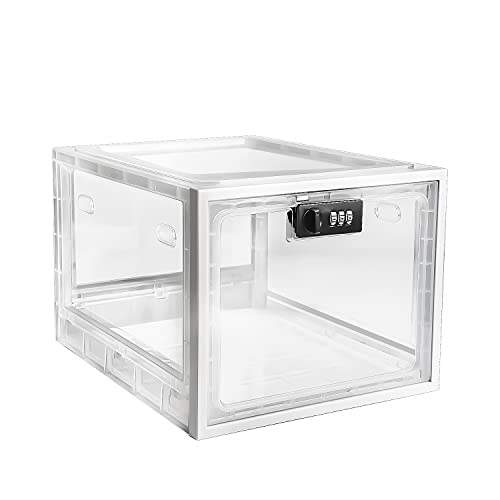
SANIDIKA Large Lockbox Medicine Lock Box – Refrigerator Lockable Boxes for Food Storage – Childproof First AID Locking Cabinet Pill Case Medical Organizer Bin – Mobile Tablet Locker Cell Phone Jail
Large Medicine Safe lock box – Our lockable storage bin is the perfect storage prescription medicines and drugs,…
As an affiliate, we earn on qualifying purchases.
As an affiliate, we earn on qualifying purchases.