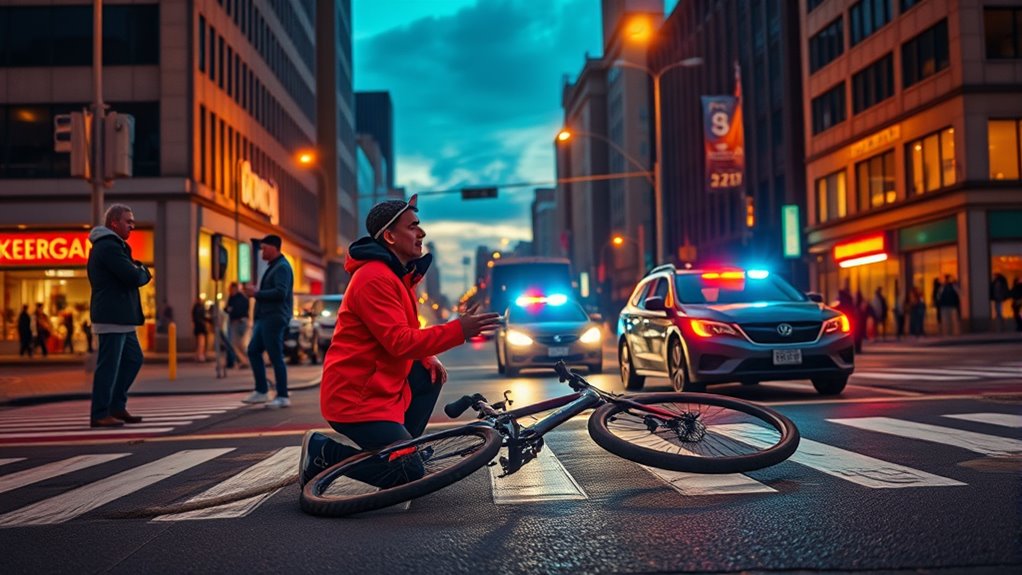
You should call 911 right away if you see someone collapse, stop breathing, or show signs of a stroke, like weakness, facial drooping, or slurred speech. Also, dial immediately for serious injuries like severe bleeding, head trauma, or major accidents. Fire, exposure to dangerous chemicals, poisoning, or an overdose also require urgent help. Keep this quick guide handy to learn more about when prompt action could save a life.
Key Takeaways
- Call 911 for sudden collapse, loss of consciousness, or if a person stops breathing.
- Seek emergency help for severe bleeding, head injuries, or major trauma.
- Contact 911 during fire outbreaks, incidents involving hazardous substances, or explosions.
- Call immediately for suspected poisoning, overdose, or exposure to toxic chemicals.
- Dial 911 for signs of a stroke, severe allergic reactions, or any urgent, life-threatening condition.
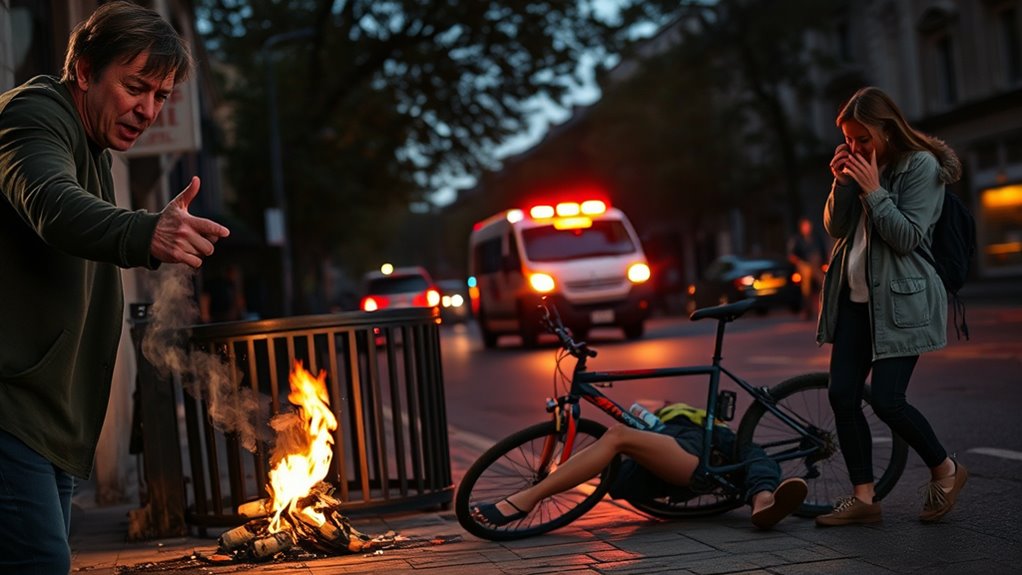
Knowing when to call 911 can be lifesaving, so it’s important to recognize situations that require immediate emergency response. Being prepared and understanding common emergency scenarios can make all the difference. Your emergency preparedness starts with knowing the signs that demand urgent help, and having a basic grasp of first aid basics can buy essential time until professional responders arrive.
Recognize urgent signs and act fast—knowing when to call 911 can save lives.
If someone suddenly collapses, stops breathing, or shows signs of a severe allergic reaction, you should call 911 right away. These are clear indicators of a medical emergency that needs immediate attention. In such cases, quick action and knowing how to perform basic first aid, like CPR, can considerably improve outcomes. Don’t hesitate—timing is critical, and calling 911 ensures trained paramedics are on their way with the equipment necessary to stabilize the person.
Similarly, if you witness a serious car accident, fire, or any incident involving substantial injury or danger, calling 911 is necessary. Emergency preparedness involves knowing how to quickly assess the scene and determine if the situation warrants emergency services. If there’s a fire, call 911 immediately to alert firefighters, and if someone is injured in the blaze, provide first aid as needed while awaiting help. For accidents involving broken bones, severe bleeding, or head injuries, calling 911 ensures professional medical care reaches the scene promptly.
Another scenario requiring an immediate call is when someone shows signs of a stroke, such as sudden weakness, facial drooping, slurred speech, or confusion. Recognizing these symptoms quickly and calling 911 can save lives and reduce long-term disability. It’s essential to remember first aid basics like keeping the person comfortable and not giving them anything to eat or drink until help arrives. Recognizing the importance of emotional support can also help in calming and reassuring the affected individual during such emergencies.
In cases of poisoning, overdose, or exposure to hazardous substances, calling 911 is critical. Do not try to treat these situations yourself unless you’re trained, as improper handling can worsen the condition. Emergency responders are equipped to manage such emergencies safely. Also, if a person is unresponsive, or if you suspect drowning or severe trauma, immediate action and a call to 911 are lifesaving steps.
Frequently Asked Questions
Can I Call 911 for a Non-Emergency Situation?
You shouldn’t call 911 for non-emergency situations, as emergency preparedness involves knowing when to use your phone etiquette appropriately. Reserve 911 for urgent cases like fires, severe injuries, or crimes in progress. Using 911 improperly can delay help for those in real emergencies. If you’re unsure whether your situation is an emergency, it’s better to consult local guidelines or contact non-emergency numbers to avoid tying up emergency services.
What Information Should I Provide When Calling 911?
When calling 911, you should clearly give your location, including address and nearby landmarks, and describe the emergency briefly. Stay calm and speak slowly, providing details about the situation, injuries, or hazards. Use communication tips like speaking loudly if needed and listening carefully to dispatcher questions. Being prepared with this info helps responders act swiftly, so practice emergency preparedness and stay ready to share key details during the call.
How Long Does It Usually Take for Help to Arrive?
Help usually arrives within 8 to 15 minutes, depending on your location, traffic, and the severity of the emergency. Your emergency response team works quickly to assess the situation, prioritize calls, and reach you as fast as possible. Keep in mind that response times may vary, but staying calm and providing clear information helps improve the efficiency of the emergency response. Always call 911 promptly when needed.
Is It Safe to Move Someone Before Emergency Services Arrive?
It’s generally not safe to move someone before emergency services arrive unless there’s an immediate danger, like fire or explosion. Moving safety is vital because improper handling can worsen injuries, especially in cases of potential spinal or neck injuries. Your first aid training emphasizes stabilizing the person and keeping them comfortable without unnecessary movement. Always wait for professional help, and only move someone if it’s absolutely necessary for their safety.
What Should I Do if I Accidentally Call 911?
If you accidentally call 911, stay calm and don’t hang up immediately. Explain it was a mistake to the dispatcher to avoid unnecessary response. This is part of your emergency preparedness and phone safety, ensuring dispatchers aren’t overwhelmed by false alarms. Remember, accidental calls happen; just communicate clearly and stay on the line briefly if needed. Always review your phone settings to prevent accidental calls in the future.
Conclusion
Knowing when to call 911 can be lifesaving. Remember, quick action is essential during emergencies like fires, severe injuries, or chest pains. Did you know that every year, over 240 million 911 calls are made in the U.S.? Being prepared to recognize these situations guarantees you get help fast. Stay alert, stay calm, and don’t hesitate to call when every second counts—your prompt response could make all the difference.