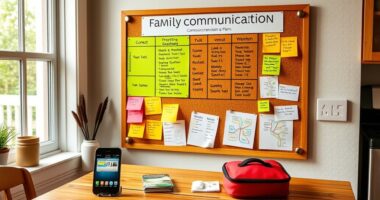
To create a personalized emergency plan, start by understanding your community’s resources and connecting with local groups, emergency services, and neighbors. Identify essential supplies like food, water, and medical items, then plan how to allocate and store them for quick access. Develop a communication strategy using visual alerts and designate gathering points. Building strong community relationships and practicing your plan will boost your safety and resilience—continue exploring to learn how to make your plan detailed and effective.
Key Takeaways
- Assess your community resources and establish connections with local groups and emergency services.
- Identify and gather essential supplies tailored to your family’s needs for an emergency kit.
- Develop a clear communication plan, including visual alerts and contact information for all family members.
- Designate safe gathering spots and resource storage areas within your home and community.
- Regularly review and practice your plan, updating it based on community involvement and resource availability.
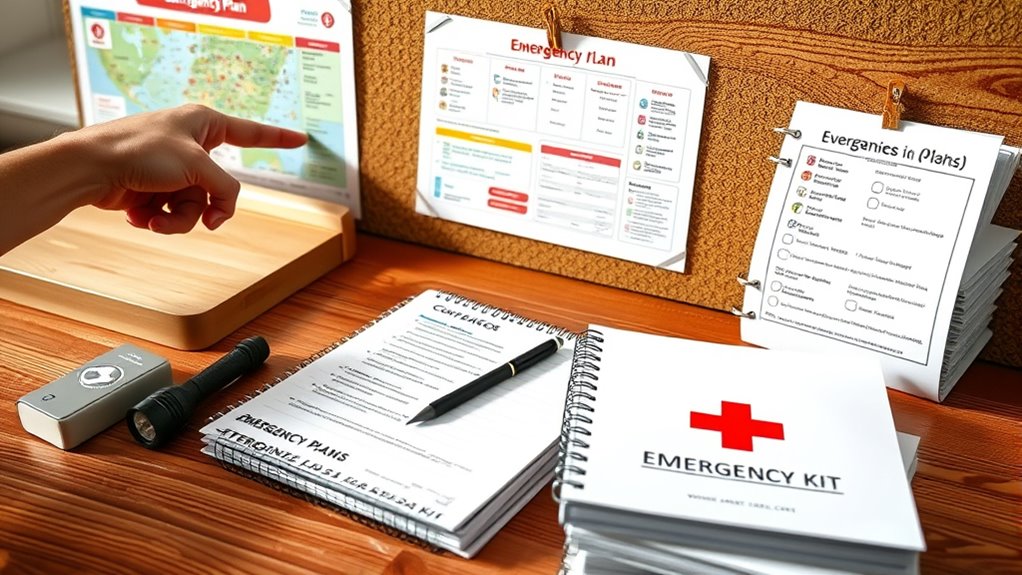
Have you ever thought about what you’d do if an emergency suddenly happened? It’s a question that often catches us off guard, but planning ahead can make all the difference. When creating a personalized emergency plan, one of the most important steps is understanding how to engage with your community effectively. Community engagement isn’t just about knowing your neighbors; it’s about building relationships that can be crucial during a crisis. By connecting with local groups, emergency services, and neighborhood organizations, you ensure that you’re not steering disaster response alone. These relationships can help you access vital resources quickly and coordinate efforts to protect yourself and others. When you involve your community, you also get a clearer picture of the resources available nearby, from shelters to medical facilities, which becomes invaluable when time is limited.
Resource allocation plays a pivotal role in your emergency planning. You need to identify what resources you have and what you might need in a pinch. This includes supplies such as food, water, first aid kits, and necessary medications, but also extends to knowing where your local resources are—like community centers, fire stations, or emergency supply stores. Distributing these resources wisely means not only gathering essentials but also planning how to allocate and store them so they’re accessible when disaster strikes. Consider creating a dedicated emergency kit tailored to your family’s needs, and include items that can sustain everyone for several days. Think about how you’ll prioritize your resources—what’s most critical for your safety and survival? This strategic approach ensures you’re not wasting time searching for essentials amid chaos.
Involving your community in resource planning can yield even better results. For instance, teaming up with neighbors to share supplies or set up a communication plan helps distribute resources more efficiently. It also fosters a sense of collective responsibility, where everyone understands their role in the bigger picture. When resources are scarce, knowing how to allocate them effectively becomes even more vital. You might designate specific areas for gathering supplies or establish a system for checking on vulnerable community members who may need extra assistance. The goal is to create a plan that not only protects your household but also supports the broader community network. Additionally, understanding projector technology and its impact on image quality can help in planning visual communication methods, such as community emergency alerts or information displays. By doing so, you enhance overall resilience, making it easier to recover and rebuild after an emergency. Planning ahead by engaging your community and wisely allocating resources ensures you’re better prepared for whatever comes your way.

BAND-AID Brand Travel Ready Portable Emergency First Aid Kit for Minor Wound Care, Perfect for Home, Car, Travel, Camping Essentials & Outdoor Emergency Kit, 80 Pieces
80-piece BAND-AID Brand Travel Ready First Aid Kit for on-the-go first aid and minor wound care, ideal for…
As an affiliate, we earn on qualifying purchases.
As an affiliate, we earn on qualifying purchases.
Frequently Asked Questions
How Often Should I Review My Emergency Plan?
You should review your emergency plan at least once a year and after any major life changes. Regularly practicing drills helps identify gaps and improves response time. Keep your plan updated with new contact information, resources, or procedures as needed. By maintaining consistent drill frequency and plan updates, you guarantee you’re prepared for any emergency, making your response quicker and more effective when it matters most.
What Supplies Should I Include in My Emergency Kit?
You’ll want an emergency supply checklist that covers your essentials, because surviving without water or food is no joke. Pack non-perishable food, water, a flashlight, batteries, a first aid kit, and personal hygiene items. Include essential gear selection like a multi-tool, blankets, and copies of important documents. Remember, ignoring this might leave you unprepared when seconds count—so gather these supplies now, before it’s too late.
How Can I Ensure My Plan Is Accessible During a Disaster?
You can guarantee your plan is accessible during a disaster by storing digital copies online or in cloud storage, so you can access it from any device. Keep a physical copy in a known, secure location at home and in your emergency kit. Regularly update both versions, and inform trusted family or friends about their locations, making sure they can help retrieve your plan if needed.
Should I Involve Children or Elderly Family Members?
You should involve children and elderly family members in your emergency plan to guarantee their safety. Family involvement helps you understand their needs and develop tailored communication strategies. Make sure they’re familiar with the plan, practice drills together, and use simple language to keep everyone informed. Including them in the process not only boosts their confidence but also ensures everyone responds quickly and effectively during a disaster.
How Do I Coordinate With Neighbors or Community Groups?
A chain is only as strong as its weakest link, so you should actively engage with neighbors and community groups. Start by establishing open neighbor communication, sharing your emergency plan, and scheduling community drills. Attend local meetings, volunteer for neighborhood safety initiatives, and exchange contact info. These steps help build trust and coordination, ensuring everyone’s prepared and ready to act together in a crisis.

Emergency Preparedness and Off-Grid Communication
As an affiliate, we earn on qualifying purchases.
As an affiliate, we earn on qualifying purchases.
Conclusion
By taking the time to craft your personalized emergency plan, you’re gently guiding yourself through life’s uncertainties. Think of it as a comforting safety net, ready to catch you if days get a little bumpy. Remember, a little preparation now can make life’s surprises feel a bit less intimidating. So, breathe easy knowing you’ve set the stage for peace of mind, turning potential storms into mere breezes along your journey.
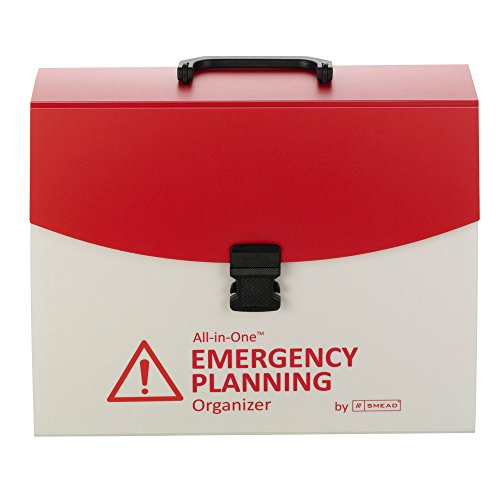
Smead All-in-One Emergency Planning Organizer, 13 Pockets, Letter Size, Latch Closure, Poly White/Red (92011)
Provides peace of mind in the event of an evacuation due to weather or environmental conditions
As an affiliate, we earn on qualifying purchases.
As an affiliate, we earn on qualifying purchases.

Survival Kit, 250Pcs Survival Gear First Aid Kit with Molle System Compatible Bag and Emergency Tent, Emergency Kit for Earthquake, Outdoor Adventure, Hiking, Hunting, Gifts for Men Women
[250 in 1 Survival Kit]: Having an emergency kit is an important step to prepare and protect your…
As an affiliate, we earn on qualifying purchases.
As an affiliate, we earn on qualifying purchases.