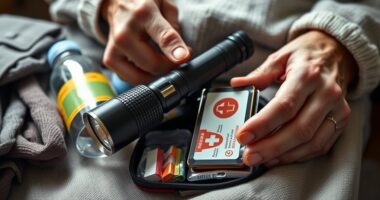
When packing your hospital go-bag, include essential documents like your birth plan, insurance info, and ID, along with comfort items such as comfy outfits, toiletries, and chargers. Pack snacks and calming entertainment, like music or photos, for yourself and your partner. Don’t forget baby essentials like clothes, hats, and your car seat. Organize everything for easy access, and keep important items within reach—you’re about to be fully prepared for this special day.
Key Takeaways
- Pack essential documents, including birth plan, insurance info, ID, and hospital registration forms.
- Include comfortable clothing, toiletries, chargers, and items for labor comfort and breastfeeding.
- Prepare snacks, drinks, entertainment, and calming items to support energy and mood during labor.
- Bring newborn clothes, blankets, hats, socks, and a car seat for safe transport home.
- Organize items for quick access, regularly update your go-bag, and ensure all documents are ready.
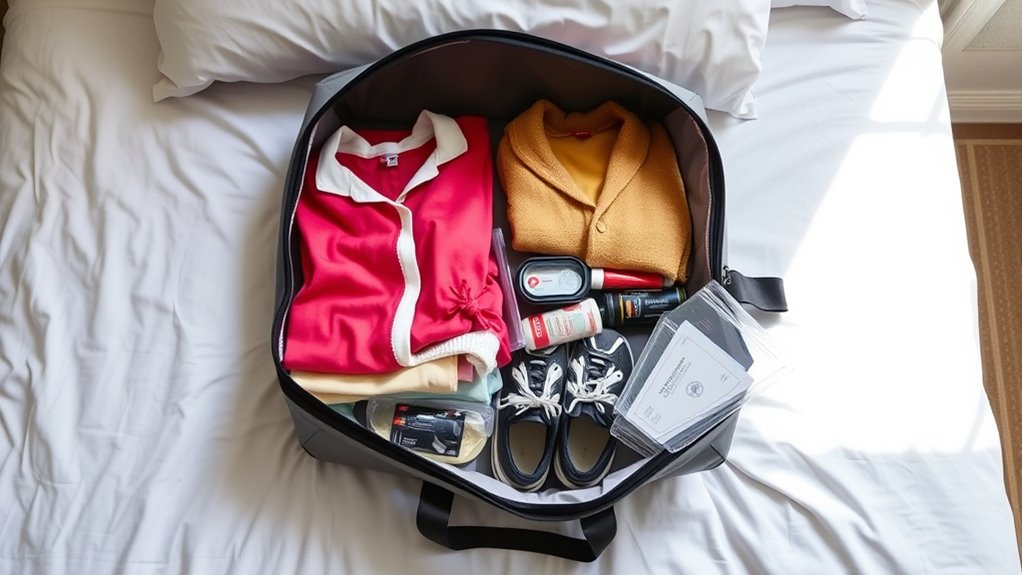
Have you ever thought about what you’d need to bring to the hospital in case of an emergency? Preparing a hospital go-bag isn’t just about packing essentials; it’s about making sure you’re ready for any situation. One of the most important things to have on hand is your birth plan. Your birth plan outlines your preferences and expectations for labor and delivery, so keep a printed copy easily accessible. This way, if you’re rushed or if your healthcare team needs quick clarification, everything is clear. It’s also wise to include a list of emergency contacts—people you want informed immediately, like your partner, family members, or your healthcare provider. Having these contacts organized ensures no critical communication gets delayed during a stressful time.
Preparing your hospital go-bag with a birth plan and emergency contacts ensures you’re ready for any situation.
When packing your hospital bag, prioritize comfort and essentials. Pack a few comfortable outfits for yourself, including loose-fitting clothes for after delivery and a going-home outfit. Don’t forget toiletries—basic items like toothbrush, toothpaste, hairbrush, and deodorant. Hospitals provide some supplies, but having your own can make your stay more comfortable. Bring chargers for your phone and other devices, and consider a small pillow or blanket for added comfort during labor. If you plan to breastfeed, pack nursing bras, nipple cream, and any supplies that make nursing easier.
Include important documents like your insurance information, ID, and any hospital registration forms. These can often be prepared ahead of time, but double-check to ensure nothing’s missing. Additionally, pack snacks and drinks for both you and your partner—labor can sometimes be lengthy, and having quick, nourishing options can help keep everyone energized. If you have specific preferences regarding music or entertainment during labor, bring headphones and playlists to help create a calming environment. Being aware of family photoshoot fails can also lighten the mood if you decide to have photos taken during labor.
For the baby, pack essentials such as newborn clothes, hats, socks, and blankets. Don’t forget to bring a car seat for the trip home—many hospitals require you to have one installed before discharge. It’s also helpful to include a small first-aid kit with bandages and antiseptic wipes, just in case. Remember to review your go-bag regularly, updating it with any new items or changes in your preferences. Being organized and prepared can ease anxiety, so you’re not scrambling when labor begins. Having your birth plan and emergency contacts easily accessible ensures you’re ready for any scenario, giving you peace of mind during this exciting, sometimes unpredictable time.
Frequently Asked Questions
How Long Should I Prepare My Hospital Go-Bag in Advance?
You should prepare your hospital go-bag at least 2 to 4 weeks before your due date, considering timing considerations like labor signs and emergency readiness. Start with a packing checklist that includes essentials such as clothes, documents, and toiletries. This way, you’ll be ready for any situation without last-minute stress. Regularly update your bag as your due date approaches to make sure everything stays current and complete.
Can I Include Personal Electronics and Chargers in My Go-Bag?
Yes, you can include personal electronics and chargers in your go-bag. Pack your electronics accessories and charging essentials to stay connected and entertained during your hospital stay. Make sure to bring items like your phone, tablet, and their chargers, along with any necessary adapters. Having these essentials guarantees you can communicate with loved ones, access important information, or relax with entertainment while you’re there.
Should I Pack Different Items for Different Seasons or Weather?
You should pack different items for different seasons or weather, as over 60% of emergency hospital visits are weather-related. Seasonal clothing guarantees you’re comfortable and prepared, whether it’s cold or hot outside. Include weather-specific essentials like a warm jacket for winter or lightweight clothes for summer. Being weather-prepared in your go-bag helps you stay safe and comfortable during unexpected hospital stays, no matter the season.
What Specific Items Are Recommended for a Hospital Stay With a Newborn?
For your hospital stay with a newborn, pack essential diapering supplies like diapers, wipes, and ointment. Include a few sets of newborn clothing, such as onesies, sleepers, and hats, to keep your baby comfortable and warm. Don’t forget a soft blanket and any special items like a pacifier or comfort object. These essentials guarantee you’re prepared for your baby’s needs during your stay and early bonding moments.
How Often Should I Update or Refresh My Hospital Go-Bag Contents?
You should update your hospital go-bag every few months, especially with seasonal clothing to stay prepared for any weather. Regularly check electronics for battery life and functionality, ensuring chargers and devices are in good condition. Refresh your essentials like toiletries and important documents at least twice a year. Staying proactive with these updates guarantees you’re always ready, reducing stress during an emergency and making your hospital stay more comfortable.
Conclusion
Don’t wait until it’s too late—packing your hospital go-bag now guarantees you’re ready when the moment comes. You might think you have time, but emergencies happen unexpectedly. Preparing ahead reduces stress and helps you focus on what matters most: welcoming your new arrival or staying healthy. So, take a few minutes today to pack your essentials. Being prepared isn’t just smart; it’s a lifesaver. Start your go-bag now—you’ll thank yourself later.