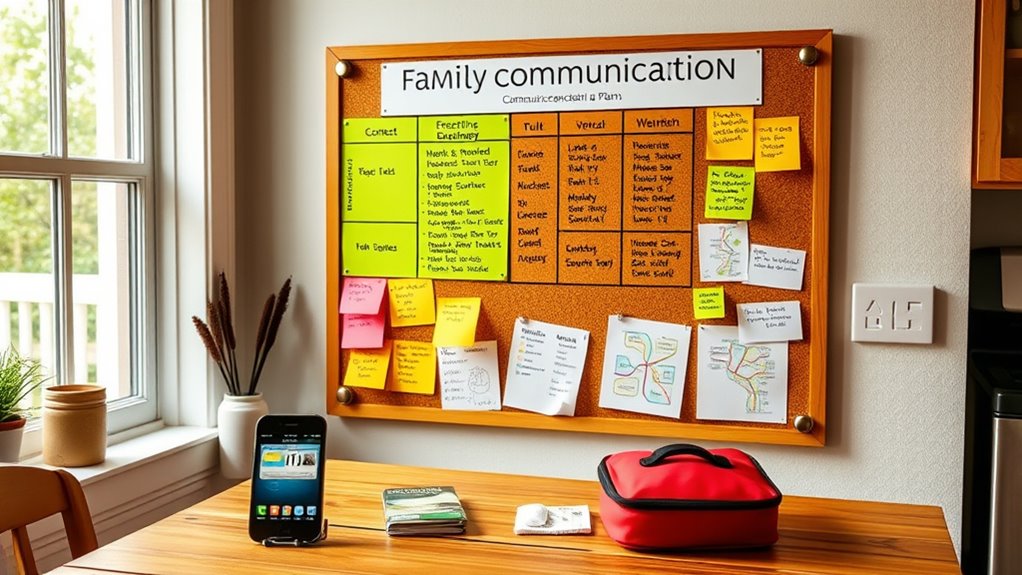

Creating an emergency communication plan for your family helps you stay connected and safe during crises. Designate a primary contact outside your area, and make sure everyone has their number. Identify multiple ways to communicate, such as calls, texts, or social media. Establish meeting points at home and outside, and practice using your tools regularly. A well-prepared plan reduces confusion and keeps everyone protected—keep going to find out how to customize your family’s plan effectively.
Key Takeaways
- Designate a primary contact outside the area to facilitate family reunification during emergencies.
- Establish multiple communication methods like calls, texts, and social media, and practice their use regularly.
- Create a family emergency kit with essential tools such as prepaid phones, chargers, and walkie-talkies.
- Designate and practice meeting points inside and outside the home for quick family reunification.
- Conduct periodic drills, review, and update the communication plan to ensure preparedness and confidence among family members.

During an emergency, having a clear communication plan can make all the difference in keeping your family safe. When disaster strikes, chaos can easily take over, making it difficult to stay connected with loved ones or coordinate responses. That’s why developing a well-thought-out communication strategy is a pivotal part of disaster preparedness. It ensures everyone knows what to do, where to go, and how to reach each other, ultimately protecting your family’s safety. A solid plan minimizes confusion and delays, helping you respond swiftly and effectively during crises like natural disasters, power outages, or other emergencies.
Start by establishing a primary point of contact outside your immediate area, such as a relative or friend who lives elsewhere. This person can serve as a central hub for information, helping family members reconnect if they get separated. Make sure every family member has this contact’s phone number written down and saved in their devices. Next, identify multiple ways to communicate—phone calls, texts, emails, and even social media—since some channels might be down or overwhelmed during an emergency. Discuss with your family how and when to use each method to avoid confusion or missed messages.
Establish a family contact outside your area and plan multiple ways to communicate during emergencies.
Create a family emergency communication kit that includes essential items like prepaid phone cards, portable chargers, and walkie-talkies if possible. Practice how to use these tools so everyone feels confident in their operation during a crisis. It’s also imperative to designate specific meeting points—both inside and outside your home—where everyone should gather if separated. Make sure your kids understand these locations and can find them even if they’re frightened or confused.
Regularly review and update your communication plan. Emergencies evolve, and so should your approach. Conduct practice drills to test how well your family can implement the plan, identify gaps, and fix them before a real crisis occurs. This ongoing process reinforces disaster preparedness and keeps family safety at the forefront. Remember, the goal isn’t just to have a plan but to guarantee everyone knows their role and feels confident executing it under stress.
In essence, an effective emergency communication plan is a foundation of family safety during disasters. It provides clarity amid chaos, reduces anxiety, and can save lives. By taking proactive steps now—establishing contacts, practicing communication methods, and planning meeting points—you’re setting your family up for a quicker, more coordinated response when disaster strikes. The effort you put into planning today can make all the difference tomorrow.
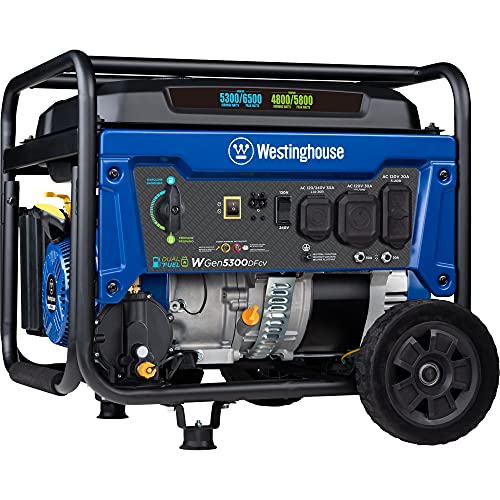
Westinghouse 6500 Watt Dual Fuel Home Backup Portable Generator, Transfer Switch Ready 30A Outlet, RV Ready 30A Outlet, CO Sensor
Gasoline: 5300 Running Watts & 6500 Peak Watts; Propane: 4800 Running Watts & 5800 Peak Watts; 4.7 Gallon...
As an affiliate, we earn on qualifying purchases.
Frequently Asked Questions
How Often Should Families Review Their Emergency Communication Plans?
You should review your emergency communication plan at least once a year and after any significant life changes. Regular drills help guarantee everyone remembers their roles and responsibilities. Updating the plan is vital when circumstances change, like new contact info or moving locations. Consistent review and drill frequency keep your family prepared for emergencies, making sure your plan remains effective and everyone knows what to do when it matters most.
What Specific Tools Are Recommended for Quick Family Coordination?
Think of your family as a crew steering stormy seas. To stay connected, use reliable tools like mobile apps for instant updates and two-way radios for real-time voice communication. These tools act as your lighthouse, guiding everyone safely back to each other. Keep them charged, accessible, and tested regularly. With these, you’ll guarantee your family stays in sync and safe, no matter how rough the waters get.
How Can Families Include Elderly or Disabled Members in the Plan?
You can include elderly or disabled members in your plan by using inclusive communication strategies and assistive technology. Make sure to identify their specific needs and preferred methods of communication, like hearing aids or visual alerts. Incorporate tools such as text messaging, visual signals, or specialized devices to keep everyone connected. Regularly practice these methods so they become second nature, ensuring the entire family stays informed and safe during emergencies.
What Are Best Practices for Communicating During a Widespread Power Outage?
During a widespread power outage, you should rely on battery-powered radios to stay informed because they function without electricity. Keep your devices charged and have extra batteries ready. Use community alert systems, like text alerts or sirens, to receive timely updates. Make sure everyone in your family knows how to access these sources, so you’re all coordinated and safe. Staying connected through these methods ensures you get critical information quickly.
How Should Families Update Their Emergency Contact Information Regularly?
You should regularly review and update your contact information to guarantee accuracy during emergencies. Set a reminder every few months to verify phone numbers, email addresses, and emergency contacts. Keep a physical copy and digital version accessible for your family. Share updates promptly when contact details change, and involve all family members in the process. Regular family updates help ensure everyone stays connected and prepared in case of an emergency.
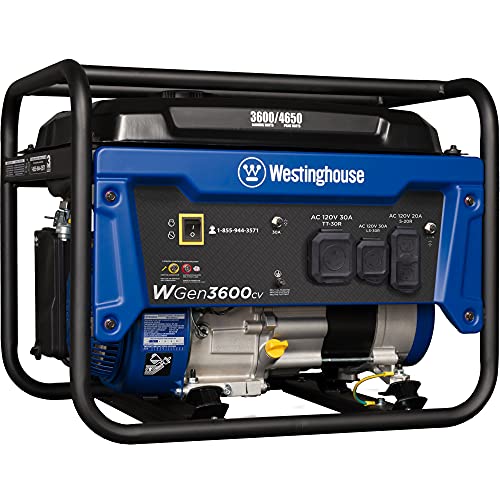
Westinghouse 4650 Peak Watt Portable Generator, RV Ready 30A Outlet, Gas Powered, CO Sensor
3600 Running Watts and 4650 Peak Watts; Recoil Start; 4 Gallon Fuel Tank With Fuel Gauge; Up to...
As an affiliate, we earn on qualifying purchases.
Conclusion
Creating an emergency communication plan is your family’s lifeline in a stormy sea. It guarantees everyone knows how to find each other and stay safe, even when chaos surrounds you. Think of it as your family’s safety net, catching you when the unexpected happens. Take the time now to make a plan—because in emergencies, a prepared family is like a lighthouse guiding everyone home safely. Don’t wait—your peace of mind is worth it.
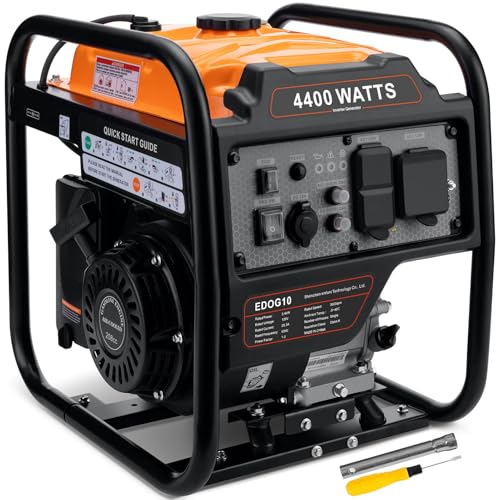
Oxseryn 4400-Watts Inverter Generator, Open Frame Generator Gas Powered, Emergency Home Backup, RV Ready 30A Outlet, EPA Compliment
Powerful Output: 4400 peak watts and 3400 running watts, 2*120V AC ports, 1* 30A RV port, 1*12V DC...
As an affiliate, we earn on qualifying purchases.

Westinghouse 12500 Watt Dual Fuel Home Backup Portable Generator, Remote Electric Start, Transfer Switch Ready, Gas and Propane Powered
9500 Running Watts and 12500 Peak Watts (Gasoline); 8500 Running Watts, 11200 Peak Watts (Propane); Remote Start with...
As an affiliate, we earn on qualifying purchases.