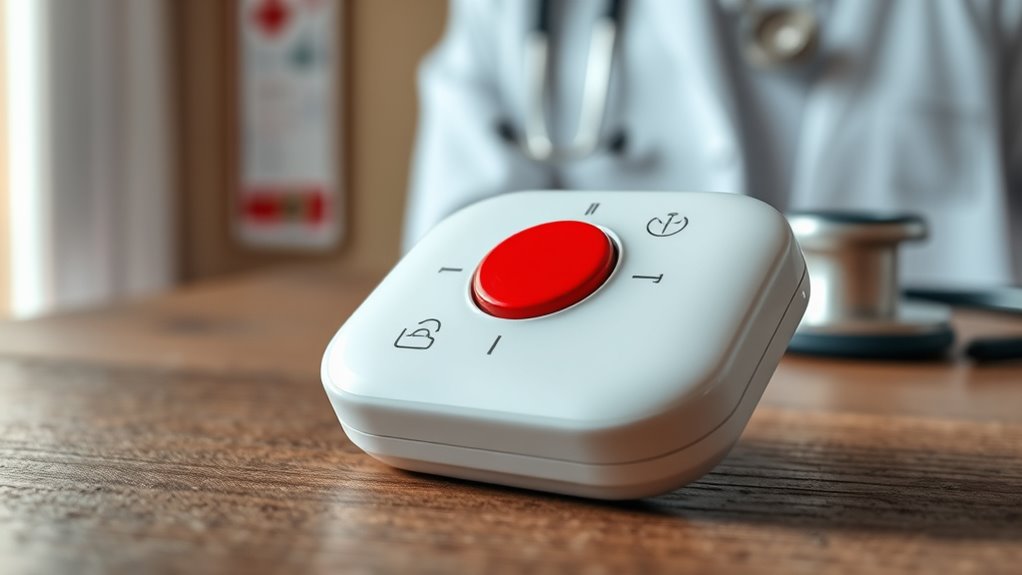

When choosing a medical alert system, focus on key features like fall detection and GPS tracking to guarantee quick emergency response and precise location details. Opt for water-resistant devices with long-lasting batteries and easy-to-use interfaces so help can be reached effortlessly, even in accidents or outdoor situations. Two-way communication adds reassurance, while secure data handling protects your information. Keep these factors in mind, and you’ll find the perfect system that offers peace of mind in critical moments.

Get comfort and care essentials delivered free — and shop member deals
- Fast, free delivery on millions of items
- Access to Prime Big Deal Days deals on October 6–7
- Prime Video, Amazon Music and more included
Key Takeaways
- Prioritize systems with reliable fall detection and GPS tracking for accurate emergency alerts and location pinpointing.
- Choose water-resistant devices with long battery life to ensure readiness during outdoor activities or daily use.
- Opt for user-friendly designs with clear prompts and two-way communication for easy operation during emergencies.
- Verify device security features, such as encryption, to protect personal data and ensure privacy.
- Compare options based on customer reviews, healthcare provider recommendations, and the specific safety needs of the user.
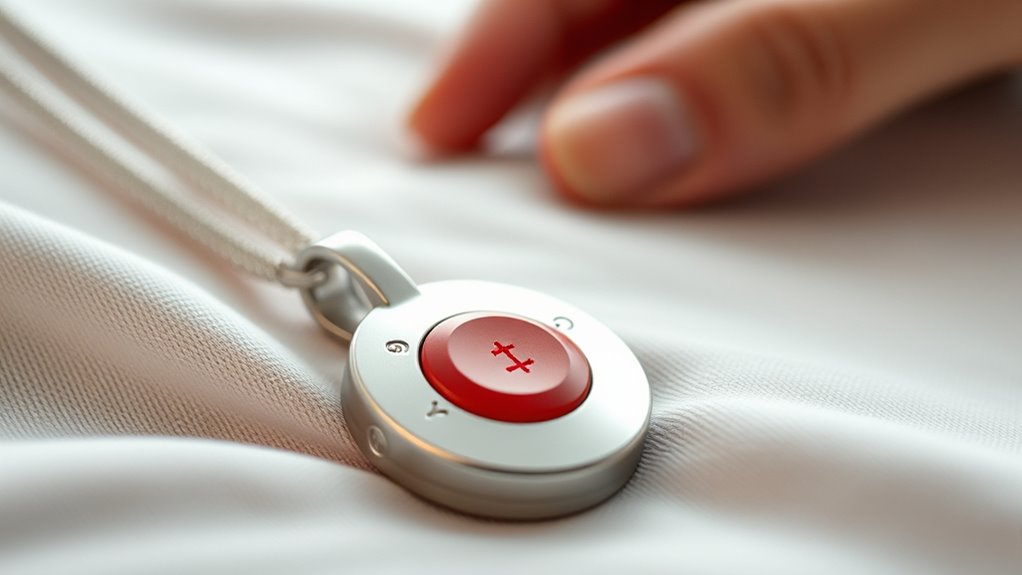
Choosing a medical alert system is a essential step in ensuring your safety and independence. When you’re considering options, it’s important to look for features that can provide quick and reliable assistance in emergencies. Two key features to keep in mind are fall detection and GPS tracking. These features can make a significant difference in how quickly help arrives and how effectively your needs are met, especially if you live alone or spend a lot of time outside your home.
Fall detection technology automatically senses when you’ve fallen and can alert emergency responders without you needing to press a button. This is particularly useful if you’re unable to reach your device after a fall or if you’re unconscious. When selecting a system with fall detection, ensure it’s reliable and tested, because false alarms can be frustrating, but missed detections can be dangerous. With fall detection, help can be dispatched immediately, often within minutes, reducing the risk of serious injury or complications from delays.
Fall detection automatically alerts emergency responders if you fall, ensuring quick help when you can’t reach your device.
GPS tracking is equally essential, especially if you’re active outdoors or frequently leave your home. GPS-enabled systems can pinpoint your exact location, allowing emergency responders to find you quickly, even if you’re unsure of your whereabouts or in an unfamiliar area. This feature is invaluable for outdoor activities like walking, hiking, or running errands in large, crowded places. When choosing a system with GPS tracking, look for one that offers real-time location updates and has a strong signal. This way, responders can navigate directly to your location, saving precious time in an emergency.
Beyond fall detection and GPS, consider whether the device is waterproof or water-resistant, especially if you’re active outdoors or in the shower. Battery life is another critical factor—long-lasting batteries mean you won’t need to worry about frequent recharging, ensuring the device is always ready when needed. Ease of use matters too; choose a system with a simple interface, clear prompts, and a reliable connection to emergency services. Some systems include two-way voice communication, allowing you to speak directly with a responder, which can be comforting during stressful situations.
Additionally, understanding the security features of the device, such as encryption and secure data handling, can help protect your personal information. Ultimately, your choice should reflect your lifestyle and personal safety needs. Combining fall detection and GPS tracking can provide peace of mind, knowing that help is always within reach, no matter where you are or what happens. Take the time to compare different systems, read reviews, and consult with healthcare providers if needed. Making an informed decision ensures you stay safe and independent while enjoying your daily activities with confidence.
medical alert system with fall detection
As an affiliate, we earn on qualifying purchases.
As an affiliate, we earn on qualifying purchases.
Frequently Asked Questions
How Do Medical Alert Systems Work During Power Outages?
During power outages, your medical alert system relies on its battery backup to stay operational, ensuring continuous protection. The backup keeps the device powered so you can still activate the emergency response team. Signal reliability remains high because most systems use cellular networks or Wi-Fi, which aren’t affected by power loss. This way, you stay connected and protected no matter what, even when the power’s out.
Can I Use a Medical Alert Device Internationally?
Yes, you can use a medical alert device internationally, but you need to verify its international compatibility and consider travel considerations. Look for systems that work across different countries or offer global coverage. Guarantee the device has reliable communication options like cellular plans or GPS. Before traveling, verify with the provider about international use, roaming fees, and emergency response availability in your destination to stay protected everywhere you go.
Are Medical Alert Systems Waterproof or Water-Resistant?
Many medical alert systems feature water-resistant designs, allowing you to wear them in the shower or rain. However, not all are fully waterproof, so check the specific waterproof features before exposure to water. Water resistance varies by model, so if you need a device that can handle swimming or prolonged water contact, confirm its waterproof capabilities. Always follow manufacturer guidelines to guarantee your device remains functional in wet conditions.
What Is the Typical Battery Life of These Devices?
Your device’s battery life is like a steady heartbeat, typically lasting 24 to 48 hours on a full charge. Many models boast power-saving features that stretch this longevity even further, ensuring you’re covered when you need it most. Regularly checking battery status and charging as needed keeps your emergency response device reliable. Think of it as nurturing a faithful companion—well-maintained, it’s always ready to respond.
How Secure Is My Personal Data With a Medical Alert System?
Your personal data is generally secure with a medical alert system because providers use strong encryption methods to protect your information. They prioritize data privacy by following strict security protocols and complying with healthcare regulations. However, it is crucial to review the provider’s privacy policy and ask about their security measures. Staying informed helps guarantee your personal details remain confidential and safe from unauthorized access.
Conclusion
Choosing the right medical alert system can truly be a lifesaver. Some believe that having quick access to help guarantees safety, but it’s also about peace of mind. Imagine feeling secure knowing help is just a button away, turning fear into confidence. The truth is, technology can’t replace human connection, but it can bridge the gap during emergencies. Don’t wait—invest in your safety today and embrace the reassurance that comes with being prepared.
Halloween Picks
halloween
As an affiliate, we earn on qualifying purchases.