
Your brain uses complex neural pathways involving the hippocampus and prefrontal cortex to encode, store, and retrieve memories. In dementia, these pathways break down due to neuron damage and declining neurotransmitter levels, making it harder to access what you’ve learned or experienced. As these networks deteriorate, memories become fragmented or vanish, leading to confusion and frustration. By understanding how these processes fail, you can better grasp why memory loss happens—and explore ways to support memory health.
Key Takeaways
- Memory retrieval depends on neural networks involving the hippocampus and prefrontal cortex, which coordinate to access stored information.
- Dementia damages or disrupts neural pathways, impairing these networks and causing difficulties in recalling memories.
- Declining neurotransmitter levels, like acetylcholine, weaken neural signaling essential for memory access.
- Breakdown of neural mechanisms leads to fragmented, incomplete, or lost memories, affecting personal and factual knowledge.
- Understanding neural failures highlights the importance of neural health for memory preservation and informs caregiving approaches.

Have you ever wondered why memory loss is such a common symptom of dementia? It all comes down to how your brain’s neural mechanisms handle memory retrieval. When you remember something, your brain activates specific networks of neurons that work together to bring that memory to consciousness. This process involves complex interactions between different brain regions, particularly the hippocampus and the prefrontal cortex. These areas coordinate to encode, store, and access memories. In healthy brains, neural mechanisms efficiently retrieve stored information, allowing you to recall details, experiences, and skills with relative ease. But in dementia, these neural pathways become disrupted or damaged, making memory retrieval increasingly difficult.
Memory loss in dementia results from disrupted neural pathways vital for retrieving stored information.
Dementia affects the neural mechanisms responsible for retrieving memories by impairing the connections between neurons. As neurons degenerate or die, the networks that once supported seamless retrieval weaken. This degeneration hampers the brain’s ability to quickly access stored information, leading to the forgetfulness often seen in dementia. Instead of smoothly pulling up a memory, your brain struggles to activate the necessary pathways, resulting in fragmented or incomplete recollections. In early stages, you might find yourself momentarily unable to recall a name or a recent event. As the disease progresses, these retrieval failures become more frequent and pronounced, affecting even long-term memories. The neural mechanisms that once allowed you to effortlessly remember your childhood or familiar routines now falter, causing confusion and frustration.
Moreover, dementia-related changes in neurotransmitter levels also interfere with memory retrieval. Neurotransmitters like acetylcholine play crucial roles in communication between neurons, especially in areas involved in memory. When these chemical messengers decline, neural signaling weakens, further impairing the brain’s ability to access memories. This disruption not only makes retrieval harder but also affects the encoding process, so new memories are less likely to be stored properly in the first place. Essentially, the neural mechanisms that keep your memory system functioning smoothly become compromised, leading to the characteristic memory deficits associated with dementia.
Understanding how neural mechanisms underpin memory retrieval helps explain why dementia causes such profound memory loss. It’s not just about forgetting things; it’s about the breakdown of the brain’s intricate networks that make memory possible. As these networks deteriorate, your ability to recall your experiences diminishes, leaving you increasingly disconnected from your own life’s story. Recognizing this can foster empathy and patience, both for yourself and for loved ones navigating these challenging changes.

Novilla 10 Inch King Mattress, Memory Foam Mattress King with Breathable Comfort Layer & High-Density Base Foam for Pressure Relief & Support, CertiPUR-US Certified for a Cool & Refreshed Sleep
【Stress-Relieving System】 The king memory foam mattress combines a 2-layer foam system for balanced comfort: natural fiber infused...
As an affiliate, we earn on qualifying purchases.
Frequently Asked Questions
Can Memory Loss in Dementia Be Reversed With Treatment?
Memory loss in dementia can sometimes be slowed or temporarily improved through treatment, but complete memory restoration isn’t typically possible. You should know that treatment effectiveness varies; medications and therapies may help maintain your current memory level or improve specific functions, but they don’t cure the disease. Early diagnosis and intervention can make a difference, helping you manage symptoms and preserve quality of life longer.
How Does Stress Impact Memory Decline in Dementia?
Stress effects can worsen memory decline in dementia by impairing your brain’s ability to process and retrieve information. When you’re under stress, your brain’s resilience decreases, making it harder to hold onto memories. Managing stress through relaxation techniques or support can help protect your memory and slow decline. Staying calm and engaged can improve your overall well-being and support your brain’s ability to cope with dementia’s challenges.
Are There Early Signs of Memory Issues Before Dementia Diagnosis?
You might notice early warning signs of memory issues years before a dementia diagnosis—about 50% of people experience mild cognitive changes first. These signs include forgetting recent events, losing track of dates, or struggling with familiar tasks. If you observe these symptoms, it’s essential to seek medical advice early, as recognizing mild cognitive impairment can help address potential issues and plan for future care.
Do Genetics Play a Role in Dementia-Related Memory Problems?
Yes, genetics do play a role in dementia-related memory problems. Your genetic predisposition and hereditary factors can increase your risk, especially if family members have had dementia. These genes influence how your brain develops and ages, potentially making you more vulnerable to memory issues. While genetics aren’t the only cause, understanding your family history can help you take proactive steps to maintain your memory health.
How Do Different Types of Dementia Affect Memory Differently?
Different types of dementia affect your memory by targeting specific neurodegenerative patterns across cognitive domains. For example, Alzheimer’s primarily impacts short-term memory and language, while Lewy body dementia causes fluctuations in alertness and visual hallucinations. Frontotemporal dementia mainly affects behavior and language, sparing memory early on. Recognizing these patterns helps you understand how each dementia type disrupts memory differently across your brain’s cognitive domains.
![King Mattress, [Enhanced] 14 Inch King Size Hybrid Mattress in a box with Gel Memory Foam & Independent Pocket Springs, Medium Firm, Pressure Relief, Strong Edge Support, 365-Night Trial, CertiPUR-US](https://m.media-amazon.com/images/I/41LzI5SAL8L._SL500_.jpg)
King Mattress, [Enhanced] 14 Inch King Size Hybrid Mattress in a box with Gel Memory Foam & Independent Pocket Springs, Medium Firm, Pressure Relief, Strong Edge Support, 365-Night Trial, CertiPUR-US
Deep Sleep Overnight: King mattress has advanced support and comfort system, it combines the advantages of gel memory...
As an affiliate, we earn on qualifying purchases.
Conclusion
Think of your memory as a delicate garden, blooming with vibrant flowers and sturdy trees. In dementia, those blooms fade, and the trees lose their strength, causing the landscape to change. But understanding how memory works and where it falters can help you nurture compassion and patience. While the garden may never look the same, your presence can still be the sunlight that helps it bloom in new, unexpected ways.
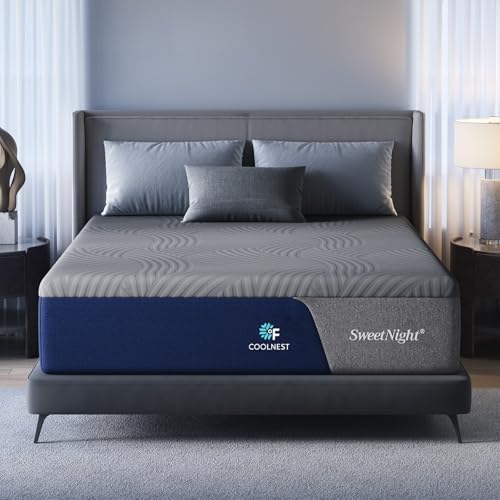
Sweetnight CoolNest 14 Inch King Size Mattress, Cooling King Memory Foam Mattress for Cool Night Sleep, 5-Zone Ergo Support for Pressure Relief, Medium, CertiPUR-US Certified
CoolNest System for a Cooler Night - The CoolNest 14 inch king size mattress features our innovative CoolNest...
As an affiliate, we earn on qualifying purchases.

LETMOON 14 Inch King Size Mattress, Hybrid Memory Foam Mattress, Medium Firm for Side & Back Sleepers, Motion Isolation, Reinforced Edges, Targeted Back Support, No Fiberglass, Bed in a Box
Hybrid Comfort for All Sleep Positions: The Letmoon 80"×76" king hybrid mattress blends memory foam and supportive layers...
As an affiliate, we earn on qualifying purchases.