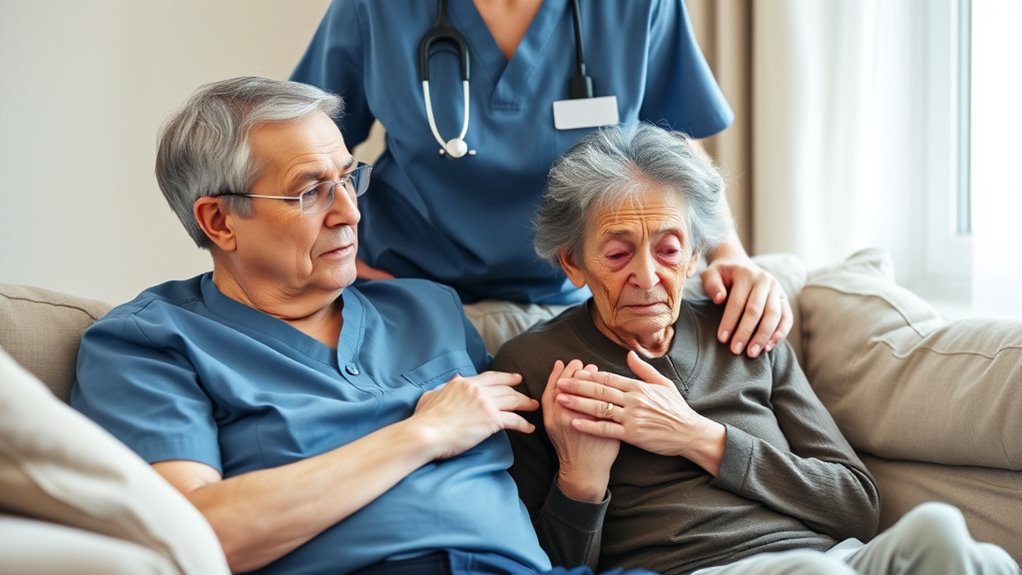

To stay safe during aggressive episodes, stay calm and use de-escalation techniques like speaking softly, maintaining safe distances, and giving space for feelings to be expressed. Keep safety equipment nearby, such as alarms and protective gloves, and practice your safety plan regularly. Prioritizing your safety helps create a secure environment for everyone involved. If you want to learn effective strategies to protect yourself while managing these situations, there’s more to explore.
Key Takeaways
- Use calm, reassuring communication and maintain a safe distance to de-escalate aggression effectively.
- Familiarize yourself with and utilize safety equipment like alarms and protective gear during episodes.
- Recognize early signs of agitation to intervene proactively before escalation occurs.
- Regularly practice de-escalation techniques to respond confidently and minimize risks.
- Incorporate safety measures into a comprehensive safety plan to ensure a secure environment for caregiver and recipient.
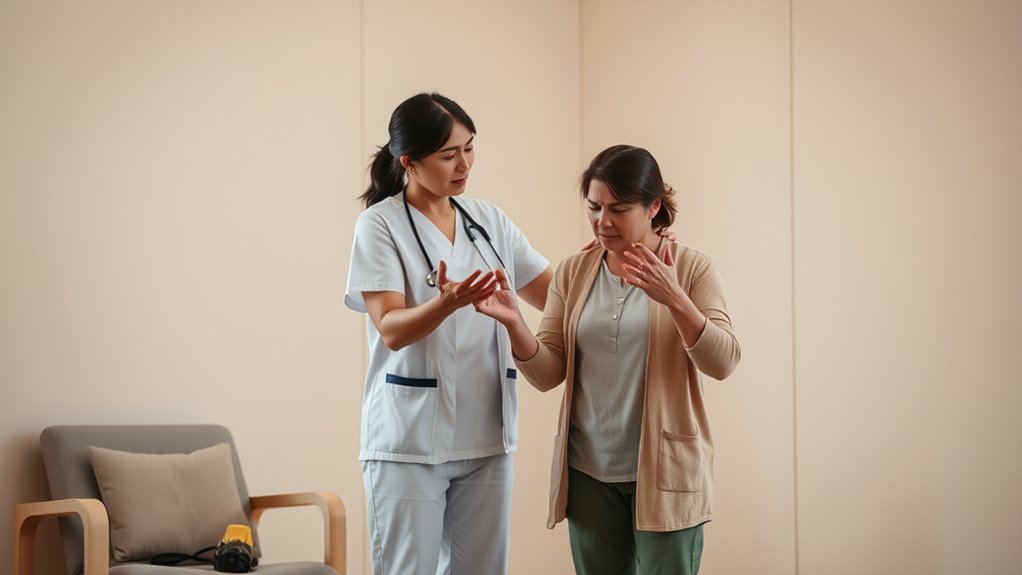
Have you ever considered how your safety as a caregiver impacts the quality of care you provide? When you’re faced with aggressive episodes, your well-being isn’t just about protecting yourself—it also directly influences your ability to support the person in your care. Staying safe doesn’t mean avoiding the situation; it means managing it effectively so everyone remains secure. To do this, mastering de escalation techniques becomes essential. These strategies help you calm a tense situation, reduce agitation, and prevent harm. For example, using a calm tone of voice, maintaining a safe distance, and giving the person space to express their feelings can markedly reduce the risk of escalation. Recognizing early signs of agitation allows you to intervene before the situation intensifies, which is fundamental for your safety and theirs.
Caregiver safety impacts care quality; early de-escalation prevents harm and promotes a secure environment.
Equally important is equipping yourself with the right safety equipment. Items like personal alarms, protective gloves, or even soft barriers can provide an added layer of security during challenging moments. Personal alarms, in particular, serve as a quick way to summon help if things get out of control, ensuring you can get assistance promptly. Safety equipment isn’t about confrontation; it’s about creating a safer environment where you feel empowered to respond confidently. Properly using these tools can make a difference between a situation escalating and one that remains manageable.
It’s essential to remember that de escalation techniques and safety equipment are most effective when integrated into your overall safety plan. Regular training on de escalation methods helps you stay prepared and confident during stressful episodes. Practicing these techniques can become second nature, making it easier to stay calm and composed under pressure. Meanwhile, familiarizing yourself with safety equipment and knowing how to use it quickly can prevent injuries to yourself or others. Your awareness and preparedness not only protect you but also model a sense of security for the person in your care, which can contribute to de-escalation. Additionally, understanding the role of Cookies and Privacy in online safety can help you safeguard your digital information while accessing resources about caregiver safety.
In the end, your safety isn’t just a personal concern; it’s a fundamental part of providing quality care. When you actively employ de escalation techniques and utilize safety equipment, you create a safer environment that benefits everyone involved. This proactive approach helps you stay in control, reduces the likelihood of injury, and fosters trust and reassurance during difficult moments. Remember, your safety is the foundation of effective caregiving. When you prioritize it, you’re better equipped to handle aggressive episodes with confidence and compassion.

Secure Safety Solutions Bed Exit Alarm for Elderly Adults – Caregiver Alert Monitor,12×30 Weight Sensing Pressure Pad – Fall Prevention for Seniors, Dementia Patients, Know When They Get Up
Bed Alarm for Elderly Adults: The Secure 45BSET-5 Bed Alarm Set alerts caregivers when a patient attempts to…
As an affiliate, we earn on qualifying purchases.
As an affiliate, we earn on qualifying purchases.
Frequently Asked Questions
How Can I Prevent Aggressive Episodes Before They Start?
To prevent aggressive episodes, you should implement preventive strategies like maintaining a calm environment and recognizing early warning signs. Use calming techniques such as deep breathing or distraction to diffuse tension before it escalates. Stay attentive to triggers and adjust routines as needed. By proactively addressing potential stressors and practicing calming methods, you can reduce the likelihood of aggression and create a safer, more comfortable space for everyone involved.
What Should I Do if a Caregiver Gets Injured?
If you get injured, act quickly like a knight in shining armor. First, make certain your safety and provide first aid if needed. Then, report the injury immediately through injury reporting protocols and notify emergency contacts for support. Keep calm, document what happened, and seek medical attention if necessary. Remember, staying proactive helps protect you and ensures proper care during emergencies.
Are There Specific Safety Equipment Recommendations?
You should use appropriate safety gear like gloves, padded clothing, and sturdy footwear to protect yourself. Additionally, having emergency preparedness tools such as a first aid kit, a phone for quick calls, and clear escape routes is vital. Regularly check and maintain safety equipment, and make sure you’re trained on how to use it effectively. Staying prepared helps you respond swiftly and safely during aggressive episodes.
How to Handle Aggressive Behavior in Public Settings?
When handling aggressive behavior in public, you should quickly use de-escalation techniques like maintaining calm tones, giving space, and avoiding confrontation. If the situation escalates, activate emergency communication by calling for help or alerting nearby staff. Stay alert to the person’s cues, stay safe, and don’t hesitate to remove yourself if needed. Your goal is to defuse the situation while ensuring everyone’s safety, including your own.
What Legal Protections Exist for Caregivers During Incidents?
You have legal rights and liability protections that shield you during aggressive episodes. These protections include laws that prevent you from being held responsible for injuries caused by the individual you care for, as well as immunity from certain legal actions when acting in good faith. By understanding your legal rights and liability protections, you can confidently respond to incidents, knowing you’re safeguarded while prioritizing safety for everyone involved.
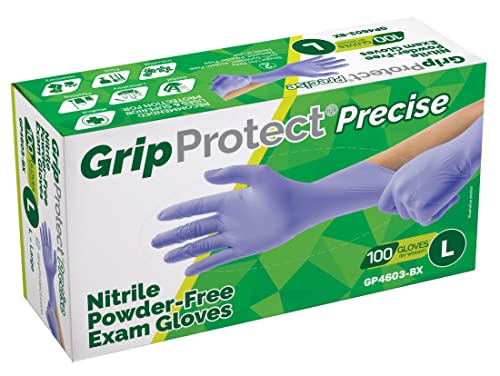
GripProtect Precise Nitrile Exam Gloves | 4 Mil | Chemo-Rated | (Large, 100)
Comfortable and great sensitivity: 4 mil thickness to maximize comfort, fit, and the ability to feel what you…
As an affiliate, we earn on qualifying purchases.
As an affiliate, we earn on qualifying purchases.
Conclusion
Remember, staying safe as a caregiver means always being prepared, yet sometimes the very effort to protect can lead to unexpected mishaps. Ironically, your best defense—staying calm—can be the hardest to maintain during a sudden outburst. So, while you focus on keeping everyone safe, don’t forget that a little humor and self-compassion can turn chaos into a lesson in resilience. After all, who better to handle the unexpected than someone trained in caring… and surviving?
de-escalation safety training kit
As an affiliate, we earn on qualifying purchases.
As an affiliate, we earn on qualifying purchases.
soft barriers for aggressive behavior management
As an affiliate, we earn on qualifying purchases.
As an affiliate, we earn on qualifying purchases.