

When someone keeps asking the same questions, approach them with patience and kindness. Stay calm and offer gentle reminders, reaffirming key details clearly without showing irritation. Using visual cues or written notes can help reduce repetitive inquiries, while understanding that their questions may stem from confusion or forgetfulness fosters empathy. By maintaining a respectful and supportive attitude, you create a positive environment that encourages open communication. If you keep exploring, you’ll find effective ways to handle these situations compassionately.
Key Takeaways
- Respond calmly and empathetically to foster understanding and trust.
- Use gentle reminders to clarify key information without sounding dismissive.
- Provide written or visual cues to reduce repeated questions.
- Recognize that repetition often stems from confusion or forgetfulness, not disinterest.
- Maintain a respectful tone to create a positive, supportive environment for open communication.

Have you ever found yourself answering the same questions multiple times and wondered how to handle it gracefully? It’s a common situation, especially when you’re trying to be patient and understanding. Instead of feeling frustrated or annoyed, you can approach these moments with patience and empathy. Remember, the person asking might genuinely not remember your previous explanation or could be feeling overwhelmed, anxious, or confused. Your calm and kind response can make a big difference in how they perceive the interaction and how they feel afterward.
One effective way to handle repetitive questions is to use gentle reminders. These aren’t about dismissing the person or sounding impatient but instead about reaffirming information kindly and clearly. For example, if someone keeps asking about a meeting time you’ve already shared, you might say, “I understand it can be confusing—just to remind you, the meeting is scheduled for 3 p.m. in the conference room.” This kind of response acknowledges their confusion without sounding irritated. It’s a simple, gentle way to reinforce the information without creating tension.
Use gentle reminders to reaffirm information kindly and clearly, avoiding irritation and fostering understanding.
Patience and empathy go hand in hand here. When you respond with patience, you’re giving the other person space to process and learn without feeling judged or rushed. Showing empathy means recognizing that their repeated questions may stem from genuine uncertainty or forgetfulness rather than laziness or disinterest. By keeping your tone warm and understanding, you’re encouraging a sense of trust and safety. This approach not only reassures the person asking but also helps you maintain your composure and kindness.
It’s also helpful to provide visual cues or written reminders when appropriate. Sometimes, a quick note, a sticky note, or an email with key information can save you from repeating yourself multiple times. If the questions are frequent, you might gently suggest, “Would it help if I sent you a quick email with the details?” This way, you’re offering a practical solution that relieves the repetitive burden on both sides while maintaining a considerate tone.
Additionally, understanding that electric bikes and other motorized vehicles can reach high speeds and produce significant horsepower can help you appreciate the importance of clear communication about safety and usage. Ultimately, handling repetitive questions with patience and empathy transforms potentially frustrating moments into opportunities for understanding. Your gentle reminders, combined with a compassionate attitude, foster a positive environment where questions are welcomed rather than seen as nuisances. Maintaining this approach keeps conversations respectful and constructive, making daily interactions smoother and more pleasant for everyone involved.
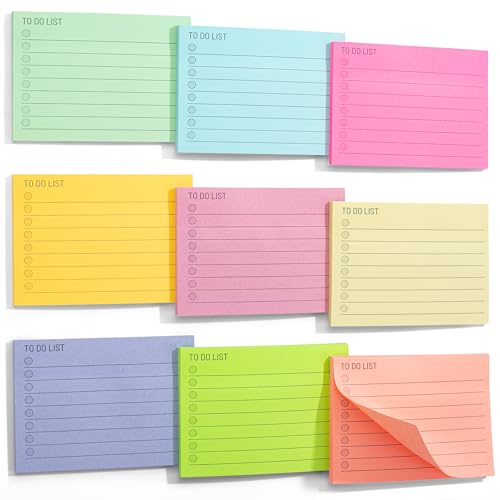
Mr. Pen- Assorted Color 4"x3" Lined Sticky Notes, 360 Sheets, 9 Pads, Perfect for Organization, Note-taking, Task Management, Home/Office Use
Get organized with our 9 pads of lined sticky notes, each pad containing 40 sheets for a total…
As an affiliate, we earn on qualifying purchases.
As an affiliate, we earn on qualifying purchases.
Frequently Asked Questions
How Can I Politely Redirect Repetitive Questions?
To politely redirect repetitive questions, you can use gentle refusals that acknowledge the person’s curiosity while setting respectful boundaries. For example, say, “I’ve answered that before, but I’d be happy to discuss it further if you have new questions,” or “I appreciate your interest, but I’ve shared that information already.” This approach maintains respect and encourages the conversation to move forward without frustration.
What Are Some Examples of Kind Responses?
Did you know that empathetic listening boosts communication by 70%? When faced with repetitive questions, respond kindly with phrases like, “I appreciate your curiosity,” or “That’s a great question, let me clarify.” Use positive reinforcement by saying, “Thanks for asking again; I want to make sure you understand,” which reassures them. These responses foster understanding and show you value their engagement, making conversations more respectful and productive.
How Do I Maintain Patience Over Time?
You maintain patience over time by practicing active listening and empathy building. Focus on truly understanding the person’s perspective, which helps you stay calm and compassionate. When questions repeat, remind yourself that they’re seeking clarity, not annoyance. Take deep breaths, pause before responding, and keep your tone gentle. These strategies help you stay patient, create a supportive environment, and turn repetitive interactions into opportunities for connection.
Should I Set Boundaries for Repetitive Inquiries?
Absolutely, you should set boundaries for repetitive inquiries. Imagine your patience is a delicate glass bowl—eventually, it’ll shatter if you don’t protect it. Using assertive communication helps you clearly express your limits, while establishing emotional boundaries prevents burnout. Be firm yet kind, letting others know what’s acceptable. Boundaries aren’t about shutting people out; they’re about safeguarding your well-being so you can stay calm and centered.
How Can I Prevent Repetitive Questions Proactively?
You can prevent repetitive questions proactively by practicing effective listening and clear communication. When you actively listen, you understand the root of their confusion, allowing you to address it directly. Clearly explaining procedures or information upfront minimizes misunderstandings, reducing future inquiries. Providing detailed, accessible resources or FAQs also helps, so people can find answers independently. Consistent, transparent communication builds trust and decreases the likelihood of repetitive questions over time.

XPPen 3 in 1 Color Digital Notebook 10.95'' Paper Note Taking Tablet with 16384 Pressure Levels Battey-Free X3 Pro Pencil 2 Magnetic Folio 6+128GB Magic Note Pad for Writing/Reading/Meeting/Study
Please Note: It is NOT an e-ink Tablet, it is a Normal Android Tablet. The XPPen digital notetaking…
As an affiliate, we earn on qualifying purchases.
As an affiliate, we earn on qualifying purchases.
Conclusion
So, next time you find yourself answering the same questions, remember that patience can turn a simple repetition into a surprising connection. Sometimes, a kind response sparks a smile or even a new conversation. It’s funny how small acts of kindness can lead to unexpected moments of understanding. Keep your tone gentle, and you might just discover that what seems like a coincidence could be the start of something meaningful. After all, kindness often comes back when you least expect it.

Caregiver Cards – Picture Based Communication Cue Cards for Adults with Memory, Speech, and Cognitive Challenges Due to Alzheimer's, Dementia, TBI, Stroke, Nonverbal, Autism and Other Disorders
Caregiver Cards allow those with complex communication needs to communicate with the people important to them functioning as…
As an affiliate, we earn on qualifying purchases.
As an affiliate, we earn on qualifying purchases.

Mailed It!: A Guide to Crafting Emails That Build Relationships and Get Results
As an affiliate, we earn on qualifying purchases.
As an affiliate, we earn on qualifying purchases.