

To care for dependent seniors’ oral health, you should help them clean their dentures after every meal using a soft brush and appropriate cleaner, and store dentures in a moist environment to prevent warping. Gently clean their gums, tongue, and palate daily with a soft toothbrush or assist with brushing. Regular dental check-ups ensure proper fit and maintain oral health. If you keep up with these practices, you’ll discover more ways to support their comfort and well-being.
Key Takeaways
- Remove and clean dentures after each meal using a soft brush and mild cleaner to prevent plaque and food buildup.
- Inspect dentures regularly for damage, and replace if cracks or damage occur to ensure proper fit and comfort.
- Gently brush gums, tongue, and palate daily to stimulate circulation and remove bacteria, supporting overall oral health.
- Schedule regular dental check-ups to monitor oral health, ensure proper denture fit, and address any issues promptly.
- Assist with daily oral hygiene routines using patience and gentle techniques to promote comfort, cooperation, and overall well-being.

Taking care of oral health is essential for dependent seniors, as their ability to maintain proper hygiene may decline due to age, illness, or disability. Many seniors rely on dentures, making denture cleaning a crucial part of their daily oral hygiene routines. If you’re caring for a senior with dentures, understanding how to clean them properly helps prevent infections, bad odors, and discomfort. Dentures should be removed and cleaned after every meal to prevent plaque buildup and food particles from causing irritation or infections in the mouth. Use a soft-bristled brush and a denture cleaner or mild soap to gently scrub all surfaces of the denture, avoiding harsh cleaning agents that can damage the material. Rinsing thoroughly afterward ensures no residue remains, which could cause irritation or taste issues. It’s important to handle dentures carefully during cleaning to avoid dropping or breaking them, and always store them in a safe, moist environment to prevent warping. Proper denture maintenance also involves inspecting the dentures regularly for cracks or damage and replacing them as needed to ensure a proper fit and comfort.
In addition to denture cleaning, establishing consistent oral hygiene routines is vital. Even if your loved one has lost some natural teeth or wears dentures, maintaining the health of remaining teeth and gums is key to overall well-being. Gently brushing the gums, tongue, and palate with a soft toothbrush stimulates circulation and removes bacteria that can lead to infections or bad breath. Use a fluoride toothpaste if the senior can tolerate it, and make sure brushing occurs at least twice a day. If mobility issues make brushing difficult, assist with the task or consider electric toothbrushes designed for easier handling. Flossing or using interdental cleaners can help remove debris between teeth, reducing the risk of cavities and gum disease.
Regular dental check-ups are essential, even for those who depend on caregivers. These visits allow for the early detection of oral health issues and ensure that dentures fit properly, preventing sore spots or difficulty eating. Remember, good oral hygiene routines aren’t just about clean teeth—they’re a crucial part of overall health that impacts nutrition, comfort, and self-esteem. As a caregiver, your role in supporting consistent, gentle oral care can make a significant difference in your loved one’s quality of life. Keep in mind that patience and gentle encouragement foster cooperation and help establish routines that become second nature. Ultimately, by prioritizing denture cleaning and comprehensive oral hygiene routines, you’re helping your loved one stay healthier, more comfortable, and more confident every day.

qiangXINGYai 3 Pcs Denture Cleaning Brush Portable Cleaning Brush False Teeth Brushes for Denture Care Denture Cleaner with Multi-Layered Soft Bristles and Dual Angled
Quality:The handle of denture toothbrush is made from quality premium plastic and rubber.A larger multi-tufted brush head helps…
As an affiliate, we earn on qualifying purchases.
As an affiliate, we earn on qualifying purchases.
Frequently Asked Questions
How Often Should Dentures Be Replaced for Dependent Seniors?
You should replace dentures every 5 to 8 years, depending on denture durability and your oral health. Regular replacement is essential because over time, dentures can become loose, cracked, or worn, which impacts comfort and function. Follow a proper replacement scheduling to ensure your dentures fit well and prevent oral issues. Keep up with routine dental check-ups so your dentist can monitor the condition and advise when it’s time for new dentures.
Are There Specific Foods That Improve Oral Health in Seniors?
You should focus on nutrient-rich foods like fruits, vegetables, dairy, and lean proteins to improve oral health in seniors. These foods provide essential vitamins and minerals, such as calcium and vitamin C, that strengthen teeth and gums. Avoid sugary snacks and acidic drinks, which can harm oral health. Incorporate these nutrient-rich foods into their diet regularly to help maintain strong teeth and healthy gums.
What Are Signs of Oral Infections in Dependent Seniors?
Watch for signs of oral infections in your dependent senior by noticing persistent redness, swelling, or bleeding in the gums. Look for sores, pus, or foul odor, and pay attention to complaints of pain or discomfort. Maintaining good oral hygiene helps prevent infections, while early detection is crucial for infection prevention. Regular dental check-ups and prompt attention to any changes ensure their oral health stays protected and comfortable.
How Can Caregivers Effectively Motivate Seniors to Maintain Oral Hygiene?
You can effectively motivate seniors by using motivational strategies like positive reinforcement and setting small, achievable goals. Incorporate oral hygiene education to explain its importance clearly, making it relevant to their health. Show patience and empathy, offering gentle reminders and praise for their efforts. Creating a routine helps build consistency, making oral hygiene feel like a normal part of their daily life and encouraging long-term good habits.
Are There Alternative Denture Cleaning Methods Besides Brushing?
Yes, there are alternative methods for denture cleaning besides brushing. You can use denture cleaning tablets dissolved in water to soak your dentures, which helps remove stains and bacteria effectively. Additionally, ultrasonic cleaners offer a deep clean without manual brushing. These alternative methods can be gentle yet thorough, ensuring your dentures stay clean and comfortable. Always follow the manufacturer’s instructions and consult your dentist for personalized advice.
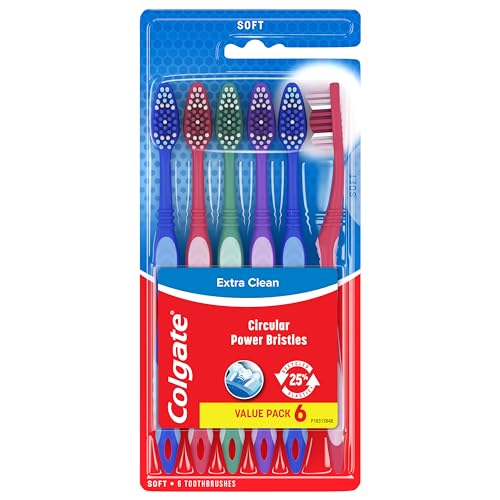
B00CC6XSSQ
As an affiliate, we earn on qualifying purchases.
As an affiliate, we earn on qualifying purchases.
Conclusion
Taking care of your loved one’s oral health is essential for their overall well-being. Did you know that up to 30% of seniors in care homes have untreated dental issues? By ensuring proper denture cleaning and regular oral hygiene, you can markedly improve their comfort and health. Remember, small daily efforts make a big difference in maintaining their smile and quality of life. Your attentive care truly impacts their happiness and health.
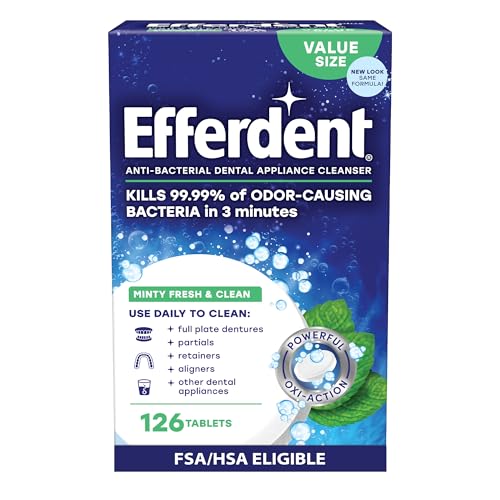
Efferdent Denture Cleaner Tablets – Dental Appliances, Aligners, Mouth Guard, and Retainer Cleaner Tablets, Minty Fresh & Clean, 126 Count
Use Efferdent retainer cleaner tablets daily to clean retainers, full-plate dentures, partials, aligners and other dental appliances
As an affiliate, we earn on qualifying purchases.
As an affiliate, we earn on qualifying purchases.

Aquasonic Black Series Ultra Whitening Toothbrush – ADA Accepted Electric Toothbrush- 8 Brush Heads & Travel Case – 40,000 VPM Electric Motor & Wireless Charging – 4 Modes w Smart Timer
40,000 VPM Smart Toothbrush – Beauty, brains and power. The Black Series is a world class modern electric…
As an affiliate, we earn on qualifying purchases.
As an affiliate, we earn on qualifying purchases.