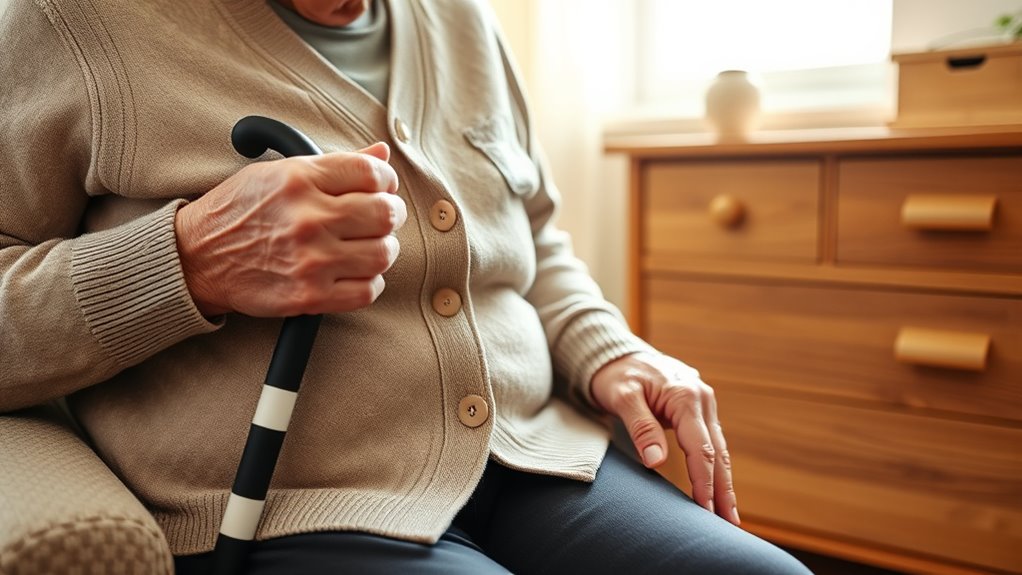

To make dressing easier with limited mobility, choose adaptive clothing with magnetic or velcro fasteners, elastic waistbands, and wider openings. Use assistive devices like grab bars, dressing sticks, or sock aids to reduce strain and improve independence. Organize your wardrobe for quick access and establish a comfortable routine that allows pauses. Exploring these practical solutions can boost your confidence and comfort—keep going to discover more tips tailored to your needs.
Key Takeaways
- Use adaptive clothing with magnetic closures, elastic waistbands, or velcro for easier dressing and fewer fasteners.
- Incorporate assistive devices like long-handled reachers, dressing sticks, or sock aids to minimize strain.
- Organize your wardrobe with accessible, frequently worn items at eye level and choose breathable, stretchy fabrics.
- Develop a flexible dressing routine, taking time and using assistive tools to reduce frustration and prevent injury.
- Prioritize independence by practicing patience, adjusting routines as needed, and exploring different adaptive solutions.

Dressing can be challenging when you have limited mobility, but with the right strategies and tools, you can maintain independence and comfort. One of the most helpful solutions is investing in adaptive clothing designed specifically for ease of dressing. These garments often feature magnetic closures, elastic waistbands, or velcro fasteners, eliminating the need for complex buttons or zippers. Adaptive clothing makes dressing quicker and less frustrating, allowing you to focus on your daily activities without unnecessary strain. Pairing this with the use of assistive devices can further simplify the process. For example, long-handled reachers help you grab clothes from the closet without overstretching, while dressing sticks or grab bars can assist with pulling clothing over your head or maintaining balance during dressing. These devices are lightweight, easy to use, and often portable, so you can incorporate them into your routine seamlessly.
Additionally, some clothing incorporates adaptive features that cater to limited mobility, making dressing even more accessible. When choosing clothing, prioritize comfort and practicality. Look for breathable fabrics that stretch and adapt to your movements, reducing discomfort and the need for constant adjustments. Magnetic or hook-and-loop fasteners are especially beneficial because they require minimal dexterity to operate. Consider clothing with wider openings or adjustable features, making it easier to put on and take off without assistance. Organize your wardrobe for efficiency, placing frequently worn items at eye level or in accessible drawers. This minimizes unnecessary reaching or bending, which can be difficult or risky.
Using assistive devices isn’t limited to just reaching or fastening clothing. Specialized dressing aids, like zipper pulls or sock aids, help you manage small or tricky fasteners and accessories independently. You might also find slip-on shoes with elastic or velcro closures more manageable than lace-up styles. When dressing, take your time and create a routine that aligns with your comfort level, allowing yourself the flexibility to pause or adjust as needed. Remember, the goal is to foster independence without rushing, which can lead to frustration or injury.
Incorporating adaptive clothing and assistive devices into your daily routine can markedly enhance your dressing experience. They serve as practical solutions that compensate for limited mobility and reduce reliance on others. With the right clothing choices and tools, you’ll find dressing less of a chore and more of a manageable, even empowering, part of your day. The key is to experiment with different options, find what works best for you, and build a routine that supports your independence and well-being.
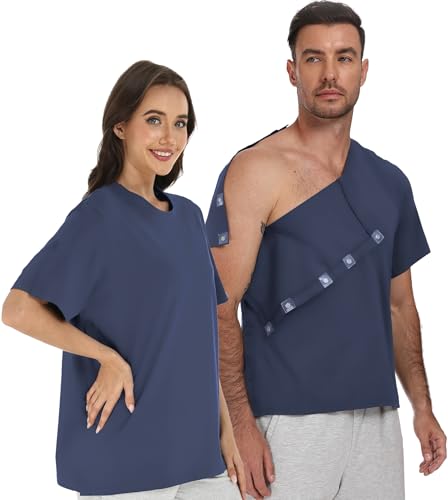
Recorah Post Surgery Shirt for Men Women – Adaptive Tear Away Clothing with Magnetic Closures for Easy One-Handed Dressing – Shoulder, Mastectomy & Dialysis Recovery Wear
【ONE-HANDED DRESSING MADE EASY – INSTANT MEDICAL ACCESS】 No more struggling with buttons, zippers, or Velcro. Magnetic snaps…
As an affiliate, we earn on qualifying purchases.
As an affiliate, we earn on qualifying purchases.
Frequently Asked Questions
How Can I Find Adaptive Clothing That Fits My Style?
You can find adaptive clothing that matches your style by exploring brands that focus on fashionable, accessible designs. Look for pieces that incorporate your favorite fashion accessories and emphasize color coordination to express your personality. Shopping online offers a wide selection, making it easier to discover trendy options. Don’t hesitate to mix and match colors and accessories to create a look that feels uniquely you, all while ensuring comfort and ease of dressing.
What Are the Best Footwear Options for Limited Mobility?
You should choose slip-on shoes with elastic or adjustable straps for easy wear, reducing the need for bending or fine motor skills. Consider footwear with sturdy soles for support and ankle braces for added stability when needed. Look for shoes that are lightweight and have non-slip soles to prevent falls. Prioritize comfort and ease of use, making your daily routine safer and more manageable without sacrificing style.
How Do I Maintain Independence While Dressing?
Think of dressing as your personal journey through a tailor’s garden—each step helps you stay autonomous. To maintain independence, focus on adaptive fabrics and clothing modifications that make dressing easier. Use Velcro closures, elastic waistbands, or magnetic fasteners to simplify tasks. Practice routines that boost confidence, and don’t hesitate to ask for help when needed. Remember, small adaptations can turn dressing into a smooth, empowering experience.
Are There Specific Tools to Assist With Dressing?
Yes, there are specific tools to help you dress more easily. Adaptive accessories like button hooks, zipper pulls, and dressing sticks make tasks simpler, while dressing aids such as reachers and sock aids help you handle clothing without strain. These tools are designed to promote independence by reducing the effort needed and minimizing discomfort, so you can dress confidently and comfortably every day.
How Can I Prevent Skin Irritation During Dressing?
Your skin is more delicate than a butterfly’s wing, so protecting it is vital. To prevent irritation during dressing, use dressing aids designed for gentle handling, and apply a barrier cream if needed. Make certain to handle your skin gently, avoiding harsh rubbing or pulling. Keep your skin clean and dry, and choose soft, breathable fabrics. These steps guarantee skin protection and comfort, making dressing safer and more comfortable for you.
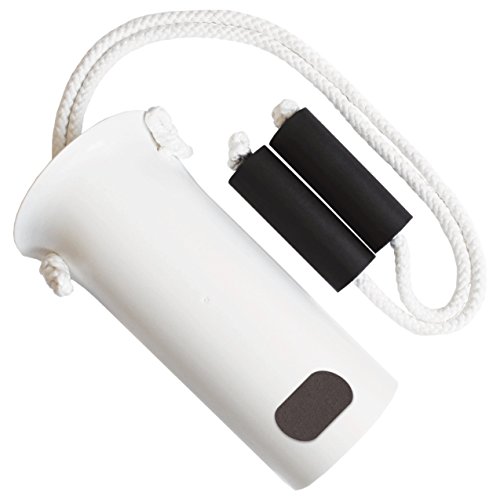
Rehabilitation Advantage Deluxe Sock Aid – Sock Helper with Foam Handles – Dressing Aid for Seniors, Disabled, or Limited Mobility – 9.5"L x 5"W x 3"H
Easy Sock Application – Allows individuals to put on socks or stockings without bending. Ideal for seniors, disabled,…
As an affiliate, we earn on qualifying purchases.
As an affiliate, we earn on qualifying purchases.
Conclusion
With these dressing tips, you’ll conquer every outfit like a superhero! No more struggles or frustration—just smooth, effortless dressing that feels like magic. Imagine slipping into clothes faster than a blink and looking fabulous every single time. Your limited mobility won’t stand a chance against these game-changing tricks. Get ready to turn your daily routine into a breeze and feel unstoppable. Because when dressing becomes easy, nothing can stop you from shining your brightest!

Nourislif 27'' Dressing Stick, Long Dressing Stick for Elderly, Disabled, Limited Mobility – Daily Living Dressing Aid Stick for Hip Replacement, Back – Dressing Aid for Pants, Shoes, Socks
GET DRESSED INDEPENDENTLY: Whether recovering from hip, knee or shoulder surgery, suffering from arthritis or having limited mobility…
As an affiliate, we earn on qualifying purchases.
As an affiliate, we earn on qualifying purchases.

REWKCY 32" Grabber Reacher Tool, 2-Pack Foldable Reacher Grabber Pickup Tool with 360° Rotating Jaw & Magnet, Trash Picker Upper Grabber, Lightweight Grabbers for Seniors Heavy Duty
Independence: Our grabber reacher tool excels in everyday tasks, boasting a remarkable 2-pound horizontal and 5-pound vertical load…
As an affiliate, we earn on qualifying purchases.
As an affiliate, we earn on qualifying purchases.