

To coordinate multiple caregivers at home, establish clear communication channels like daily check-ins and shared logs. Develop detailed care plans and emergency protocols, and keep everyone informed about schedules, medications, and appointments. Use tools like calendars or caregiver apps for organization, and regularly review and update plans as needs change. By fostering open dialogue and teamwork, you ensure seamless care. Keep exploring to discover more ways to create a smooth caregiving environment.
Key Takeaways
- Establish clear communication channels and shared care plans to ensure all caregivers are informed and aligned.
- Create a detailed schedule that specifies responsibilities, shifts, and medication times for consistency.
- Develop and rehearse emergency protocols with assigned roles to ensure quick, coordinated responses.
- Provide caregiver training and regular updates to build confidence and adapt to changing needs.
- Regularly review and adjust care strategies to maintain flexibility and address evolving care requirements.

Caring for a loved one at home often involves coordinating multiple caregivers, which can be challenging but manageable with the right approach. One of the most important aspects of this coordination is effective caregiver communication. When everyone is on the same page, misunderstandings decrease, and your loved one receives consistent, quality care. To facilitate this, establish clear channels of communication, whether through daily check-in calls, shared digital logs, or family meetings. Make certain each caregiver understands the care plan, medication schedules, and specific needs of your loved one. Encourage open dialogue so caregivers can voice concerns or updates promptly. This reduces confusion and ensures that everyone feels involved and responsible.
Another critical element is emergency planning. When multiple caregivers are involved, having a well-thought-out emergency plan is essential for everyone’s confidence and safety. Start by identifying potential emergencies, such as falls, sudden medical episodes, or medication errors. Develop step-by-step protocols for each situation, and make sure all caregivers are familiar with them. Keep emergency contact lists accessible, including doctors, nearby family members, and emergency services. Assign specific roles during emergencies, so there’s no hesitation or confusion when seconds count. Conduct regular drills or discussions to reinforce these procedures, making certain everyone knows what to do immediately if an emergency occurs.
Develop and practice clear emergency protocols to ensure safety and confidence among all caregivers.
In addition, implementing caregiver training can significantly improve the quality of care and ensure everyone is equipped with the necessary skills and knowledge to handle various situations confidently. Consistency is key, so create a shared schedule that details who is responsible for tasks at specific times. This helps avoid overlaps or gaps in care and reduces caregiver stress. Use tools like calendars or caregiver apps to keep everyone updated on shifts, appointments, and medication times. When caregivers communicate regularly and follow a unified plan, your loved one benefits from seamless care and reassurance. Additionally, involving your loved one in discussions when appropriate can foster a sense of security and respect, making them feel more in control.
Lastly, recognize that managing multiple caregivers requires flexibility. Be prepared to adapt plans as your loved one’s needs change or as new caregivers join. Regularly review and update your emergency plan and communication strategies, making certain they remain effective. When you prioritize clear communication and thorough emergency planning, you create a supportive environment where everyone knows their role, and your loved one feels safe and cared for. With patience and organization, coordinating multiple caregivers becomes less intimidating and more a team effort aimed at providing the best possible care.

PILSAMAS WiFi Caregiver Pager Smart Call System – Display Caller ID & App Alerts, No Monthly Fee, IP65 Waterproof Wristband + 2 Call Buttons, Emergency Alert Button for Elderly at Home & Nursing Care
Wi-Fi Smart Hub & 328ft Range: HUB connects to 2.4G Wi-Fi (not 5G) for global APP access. 3…
As an affiliate, we earn on qualifying purchases.
As an affiliate, we earn on qualifying purchases.
Frequently Asked Questions
How Do I Handle Conflicts Among Caregivers Effectively?
To handle conflicts among caregivers effectively, communicate openly and listen to everyone’s concerns. Set clear emotional boundaries to prevent caregiver burnout and guarantee respectful interactions. Address issues calmly, focusing on solutions rather than blame. Encourage teamwork and shared responsibilities, and remind everyone of the common goal: providing the best care. By fostering understanding and maintaining boundaries, you create a supportive environment that minimizes conflicts and supports caregiver well-being.
What Tools Can Streamline Caregiver Communication?
Think of communication apps as your home’s digital heartbeat, keeping everyone in sync. You can streamline caregiver schedules and updates with tools like shared calendars or messaging platforms, making coordination feel like a well-rehearsed symphony. These apps cut through chaos, ensuring each caregiver is on the same page, reducing missteps. With real-time updates and easy sharing, you turn a potential jumble into a smooth, harmonious flow of care.
How Do I Ensure Caregiver Accountability?
To guarantee caregiver accountability, you should set clear expectations and regularly check in to boost caregiver motivation. Use task delegation effectively by assigning specific responsibilities and tracking progress. Encourage open communication and provide positive feedback to keep everyone motivated. Establish a system for accountability, like shared checklists or apps, so caregivers know their roles and can easily report completed tasks. Consistent oversight helps maintain high standards of care.
What Legal Considerations Exist for Multiple Caregivers?
Are you aware of the legal considerations when managing multiple caregivers? You need to understand legal liability, which varies based on your state’s laws, and privacy regulations like HIPAA that protect personal health information. To stay compliant, create clear caregiver agreements, document care activities, and ensure everyone follows confidentiality rules. Do you have policies in place to prevent legal issues and safeguard everyone’s rights?
How Can I Train New Caregivers Quickly?
You can train new caregivers quickly by establishing clear caregiver onboarding processes and detailed training schedules. Start with a thorough orientation to introduce policies, routines, and safety protocols. Use hands-on demonstrations and written materials for consistency. Regular check-ins help reinforce training and address questions. By streamlining your onboarding and sticking to structured training schedules, you guarantee new caregivers become confident and effective in their roles swiftly.

Godery Scheduling Pocket Chart, 13+1 Pockert, Daily Class Schedule Pocket Chart with 18 Dry-Eraser Cards, Ideal for Classroom Office School Home Used, Over-door Mount (Blue)
Best Gift for Autistic: The scheduling pocket will tell her/him what to do all the time, you can…
As an affiliate, we earn on qualifying purchases.
As an affiliate, we earn on qualifying purchases.
Conclusion
By staying organized and communicating openly, you can make managing multiple caregivers at home much smoother. Trust that everyone’s efforts come together to create a supportive environment. Embrace the idea that coordination isn’t just about logistics—it’s about building teamwork and understanding. When you foster collaboration, you’ll find that caregiving feels less overwhelming and more fulfilling. Believe in the power of good communication, and you’ll turn a challenging situation into a shared journey of care and compassion.
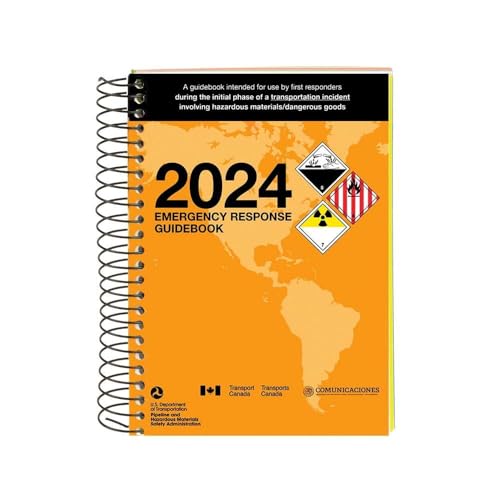
J. J. Keller & Associates, Inc. 2024 Emergency Response Guidebook (ERG), Spiral Bound, 4” x 5.5” Pocket Size, English, 1-Pack
The 2024 ERG guide helps satisfy 49 CFR 172.602 DOT requirement. This requirement states that hazmat shipments be…
As an affiliate, we earn on qualifying purchases.
As an affiliate, we earn on qualifying purchases.

MCR Medical Box of 10 First Aid Training Kits, Basic
Gauze roll (non-sterile, conforming): 3" x 4.1 yards
As an affiliate, we earn on qualifying purchases.
As an affiliate, we earn on qualifying purchases.