
To communicate effectively with someone who has a vision impairment, use clear, descriptive language and be mindful of nonverbal cues like tone and touch. Incorporate assistive technologies such as screen readers or Braille when needed, and create a supportive environment with proper lighting and minimal distractions. Remember, patience and gentle guidance help build trust. By understanding these approaches, you’ll be better equipped to foster understanding—continue to explore for more helpful strategies.
Key Takeaways
- Use clear, descriptive language and specify object locations to enhance understanding.
- Incorporate nonverbal cues like tone of voice and gentle physical touches to convey warmth and reassurance.
- Employ assistive technologies such as screen readers, Braille displays, and voice assistants to facilitate communication.
- Create a quiet, well-lit environment to minimize distractions and support perception of cues.
- Ensure assistive devices are functional and users are trained to maximize effective information exchange.

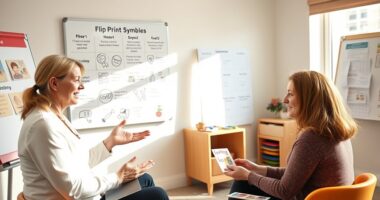
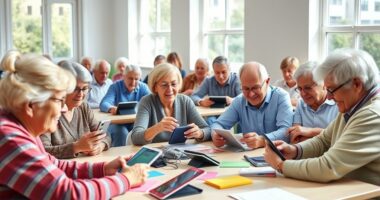
Effective communication is fundamental for building understanding and connection, especially when someone has a vision impairment. When you’re interacting with someone who has limited or no sight, it’s important to recognize that communication isn’t just about words — nonverbal cues, like gestures or facial expressions, often play a critical role. Since visual cues are less accessible, assistive technology can be a game-changer. Devices such as screen readers, Braille displays, or voice-activated assistants help bridge the gap, enabling clearer exchanges and empowering the individual to access information independently. Using assistive technology alongside verbal communication guarantees you’re providing both accessible information and a supportive environment.
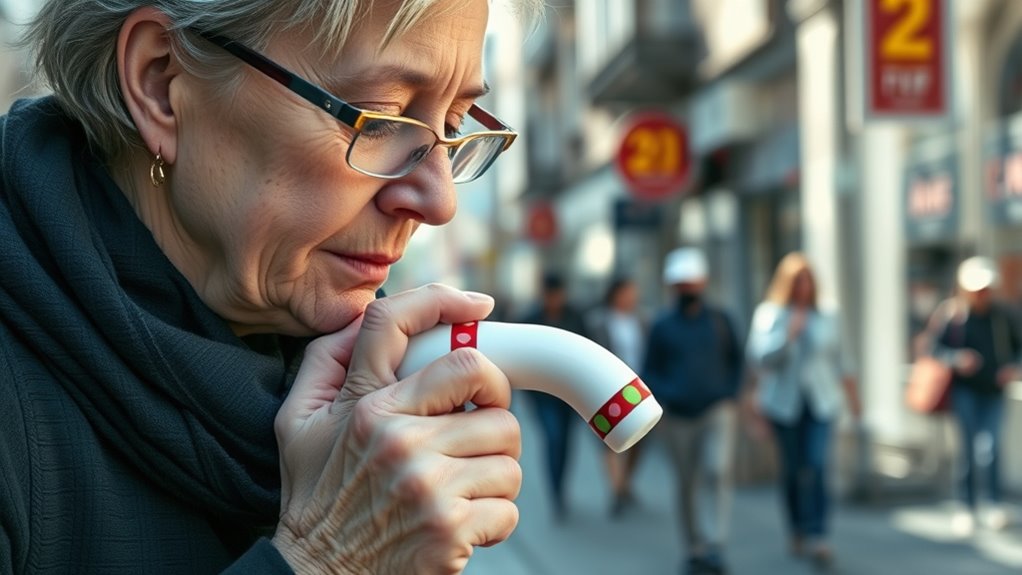
Nonverbal cues take on a different significance when speaking with someone with a vision impairment. Although they might not see your facial expressions or gestures, your tone of voice, pace, and pitch can convey warmth, reassurance, or enthusiasm. For example, a gentle tone can indicate patience and understanding, while a lively pitch might express excitement. You can also use touch to supplement communication, gently guiding their hand to a relevant object or gently touching their arm to get their attention. These physical cues help establish trust and clarity, making your message more effective. Additionally, understanding contrast ratio can help in creating an environment where lighting and surface reflectivity are optimized for those with partial sight, enhancing their ability to perceive visual cues.
When communicating, be mindful of your environment. A quiet, well-lit space minimizes distractions and helps the person focus on your words and nonverbal signals that they can perceive. When using assistive technology, guarantee it’s functioning correctly and that the person knows how to operate it. Offering clear, descriptive language is also essential. Instead of vague references like “over there,” specify locations or objects, such as “the coffee mug on your right” or “the door next to the window.” This precision reduces confusion and fosters a sense of independence.
Frequently Asked Questions
How Can I Identify Unseen Signs of Communication Difficulties in Visually Impaired Individuals?
You can identify unseen signs of communication difficulties in visually impaired individuals by paying close attention to their non-verbal cues and emotional signals. Notice changes in facial expressions, body language, or posture that might indicate confusion, frustration, or discomfort. Listen carefully to tone of voice and speech patterns, as they often reveal underlying feelings or misunderstandings. Developing these skills helps you better understand their needs beyond what’s visibly apparent.
What Are the Latest Technological Tools to Aid Communication for the Visually Impaired?
You can use assistive smartphones with specialized apps that provide voice commands, text-to-speech, and navigation features to aid communication. Tactile displays also offer a hands-on way to access information by converting digital content into touchable surfaces. These tools enhance independence and interaction, making communication more accessible. Staying updated on the latest assistive technology guarantees you can better support visually impaired individuals in their daily interactions.
How Can Caregivers Adapt Their Language When Speaking to Someone With Vision Loss?
When speaking to someone with vision loss, you should use descriptive language to create vivid mental images and include tactile cues, like guiding their hand or offering textured objects, to enhance understanding. Speak clearly, avoid assumptions, and describe your surroundings and actions to keep them informed. This approach fosters better communication, helps build trust, and ensures they feel valued and included in conversations and activities.
Are There Cultural Considerations in Communicating Effectively With Visually Impaired People?
Imagine guiding someone through a shared journey; cultural sensitivity is your compass. You recognize that cultural differences, like language barriers, shape how you communicate. By respecting customs and using clear, respectful language, you foster trust and connection. Being mindful of cultural nuances guarantees your words resonate, making your message more meaningful and inclusive. Embrace these considerations to truly connect and support visually impaired individuals from diverse backgrounds.
How Do Communication Needs Differ Between Those With Partial Versus Complete Vision Loss?
You’ll find that those with partial vision loss often rely on adaptive strategies like using enlarged print or audio aids, while those with complete vision loss depend more on tactile methods and verbal cues. Providing emotional support and understanding individual preferences is essential. Tailoring your communication approach guarantees clarity and comfort, helping both groups feel respected and understood. Always ask about their specific needs to foster effective, compassionate interactions.
Conclusion
By adapting your communication methods, you can make a real difference. For example, imagine helping Sarah, who’s visually impaired, by describing her surroundings clearly during a meeting. Your effort to speak calmly and use descriptive language not only boosts her confidence but also fosters inclusivity. Remember, your attentive approach transforms interactions, making communication smoother and more respectful. When you prioritize understanding, you create a more accessible world for everyone, regardless of visual ability.